
I’ve been thinking about why people make art. Mostly because I am questioning why I make art. I stopped painting for about 10 months – the longest I’ve ever gone without painting. Before my hiatus from painting, I made art for different reasons. In elementary school, I liked to draw because it was fun. In middle and high school, I worked on my observational drawing skills and I began to make art that represented the world. Art became a way for me to observe a scene or object and translate it into a two-dimensional space. At the end of high school and throughout college, art became a way for me to express myself. I’ve always been introverted and quiet, and art became a way for me to put myself on a canvas, to display all the emotions, thoughts, and feelings I couldn’t express out loud. Creating art was a therapeutic release for me – when I was sad or lonely, I went to the painting studio where the familiar smell of oil paint made me feel at home. Painting was my home.
My freshman year of college I was very homesick and I began to paint the ocean. The ocean is peaceful, calming, cool colors which made me feel at ease. Then I began to paint memories and moments, things that reminded me of home and my childhood. Painting became a way to remember who I am. To paint things that were meaningful to me.
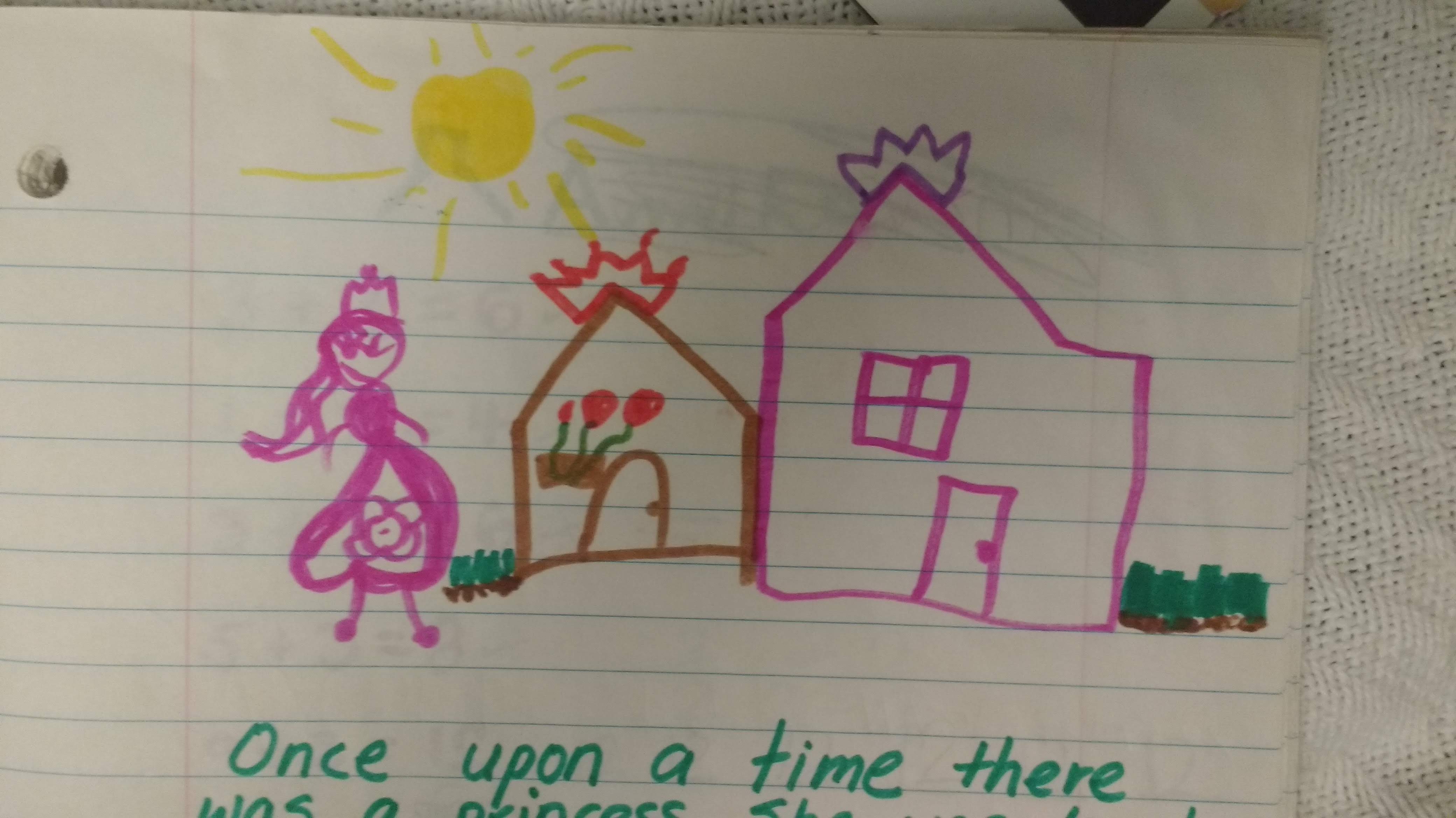
Left – a drawing from elementary school; Right – a painting from high school
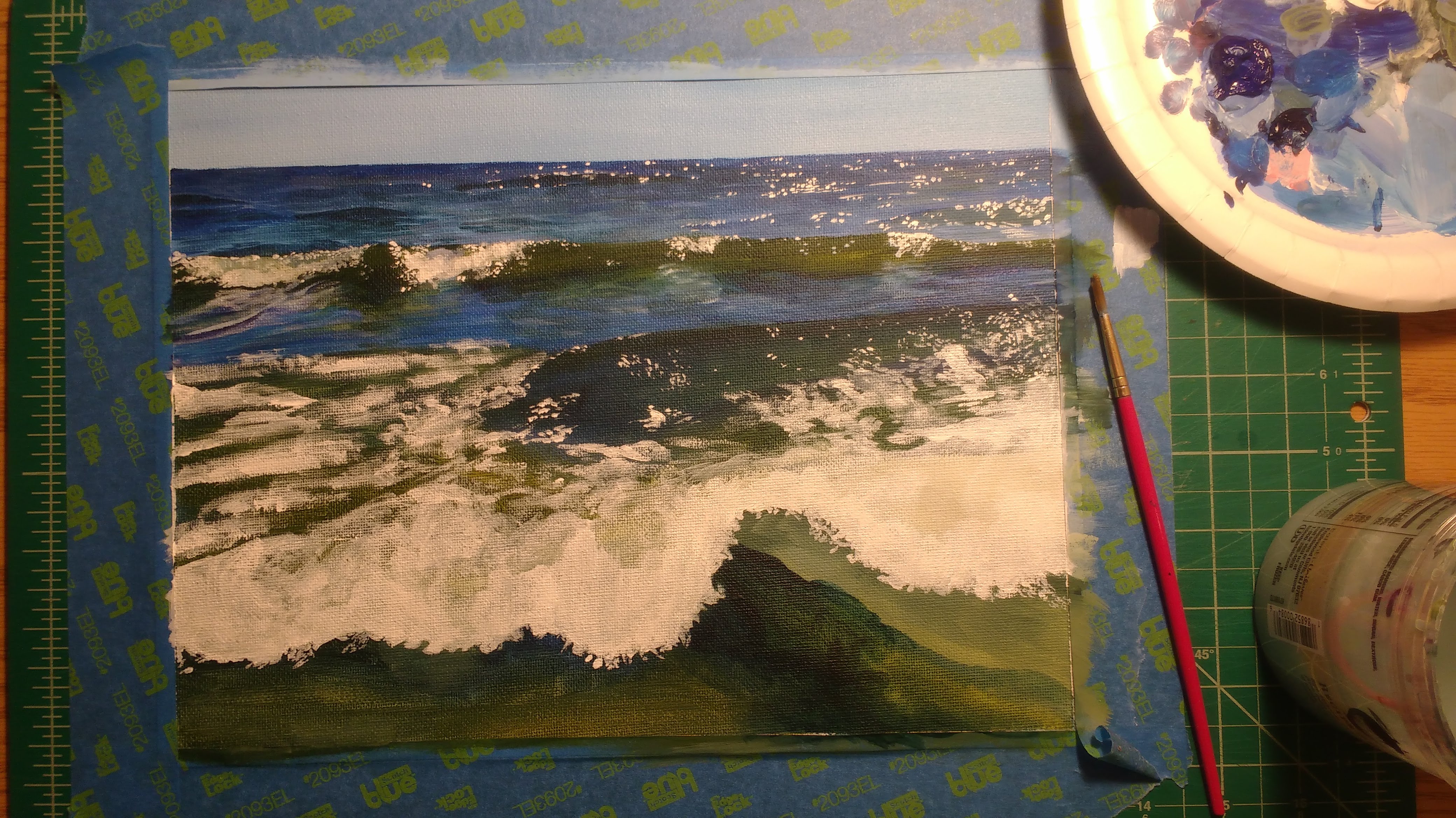

Above – works in progress from my freshman year of college
In my college studio art classes, we were often encouraged to think conceptually about art and make art with a greater purpose and intention. But we also learned about process-based art – creating something with no clear product in mind and seeing what happens with the paint or sculpture or object. Letting go of thought and letting the brush guide your hand, experimenting with marks, gestures, lines. Not having a preconceived notion of the final product. Making art without an end product in mind was intimidating at first, but as I began to experiment more with abstraction and marks, I couldn’t stop painting like this. It was freeing to let go of realism.
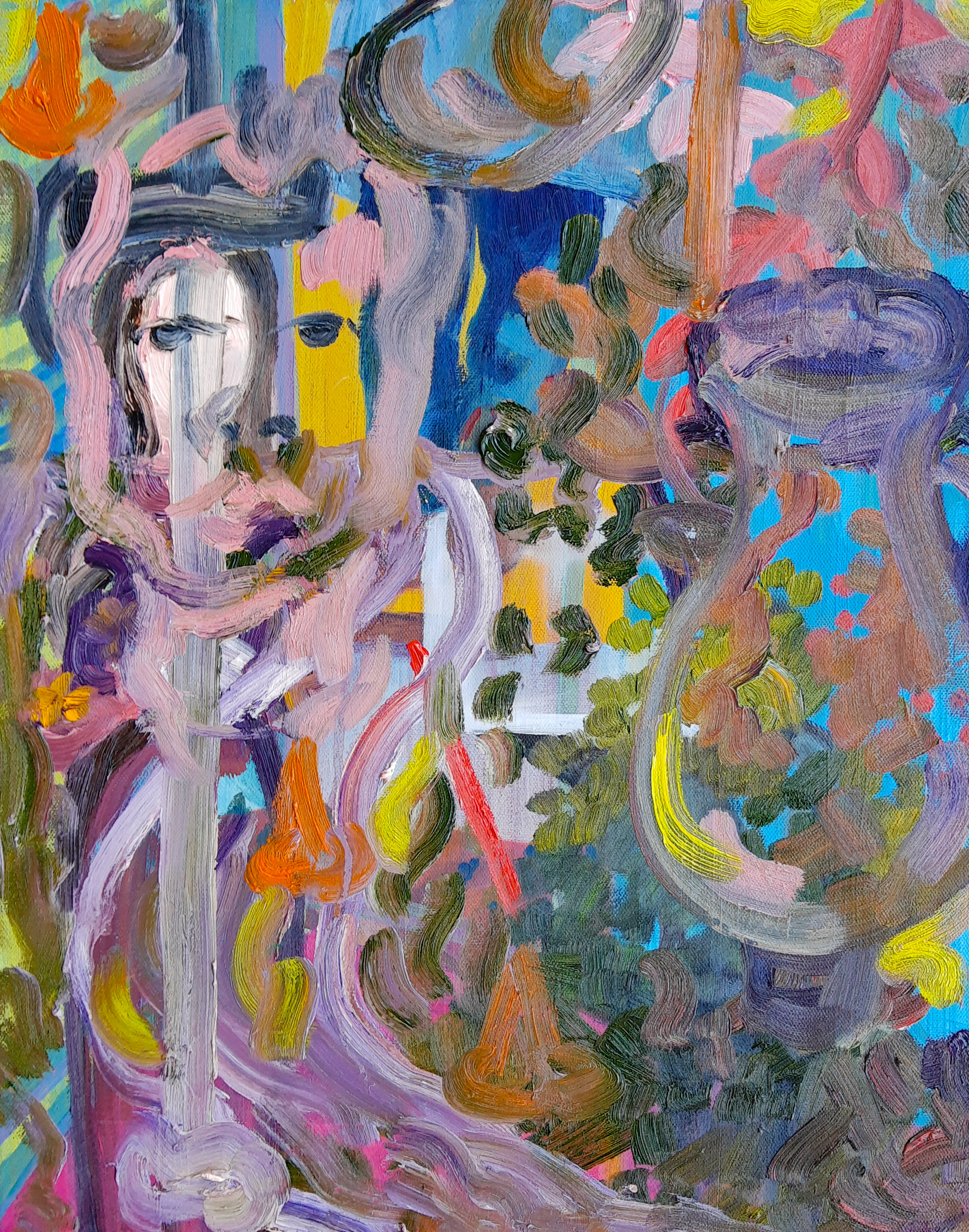

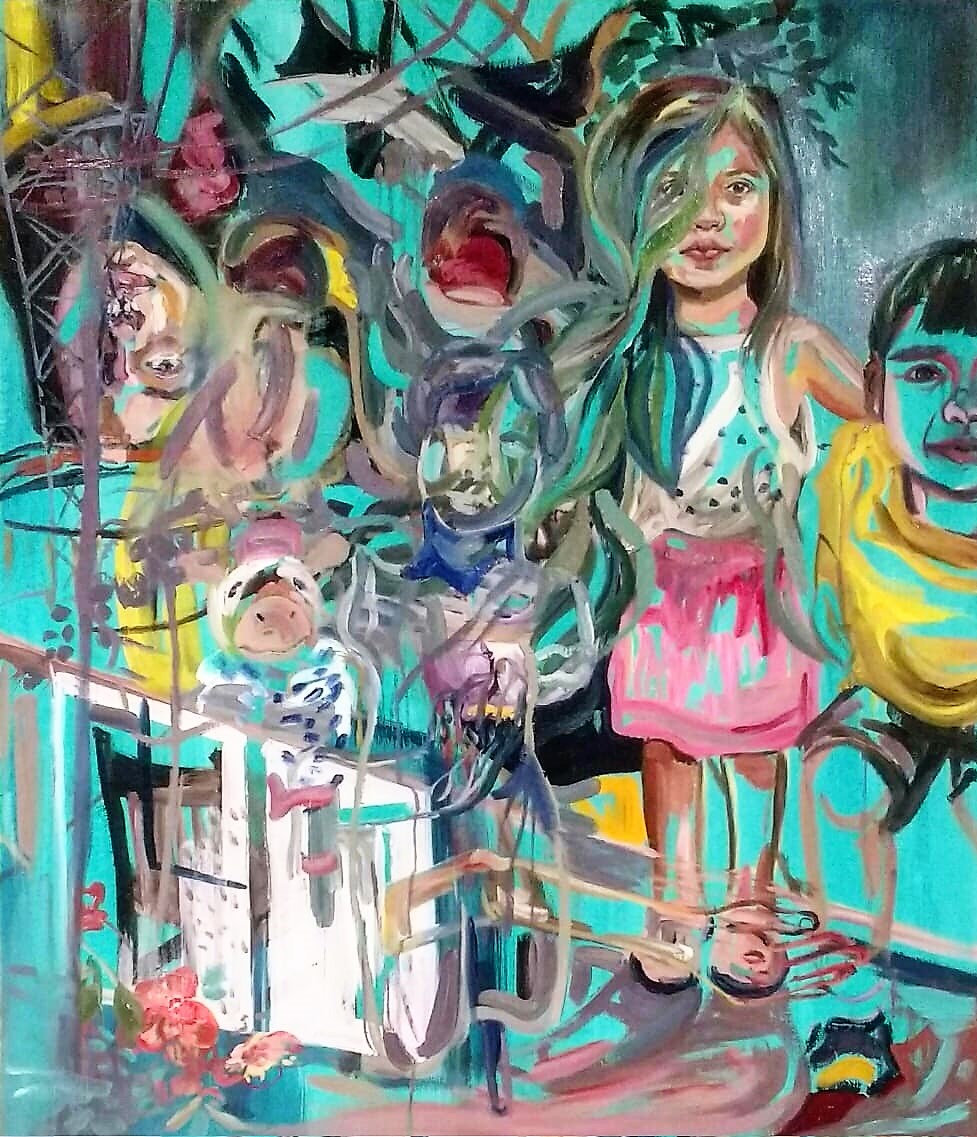
Above – Some paintings I made without an end-product in mind (process-based art)
While my own artistic practices have crossed between varying levels of realism and abstraction, I’ve come to rely on artmaking as a way to feel free and to express myself. I think anyone who creates anything is showing aspects of themselves in their handiwork. Even the earliest known forms of art, such as cave paintings, were perhaps a way of communicating – relaying information about animals to other humans, or simply a mark telling others, “I was here”. Other early forms of art, including small votive figurines, could have been created as offerings to gods/goddesses, symbols of fertility, or as good luck charms, though the exact purposes of these artifacts is unknown. When art intersects with craft (weaving, textiles, pottery, etc.), art has a function – it holds water or lays on the ground protecting the floor.

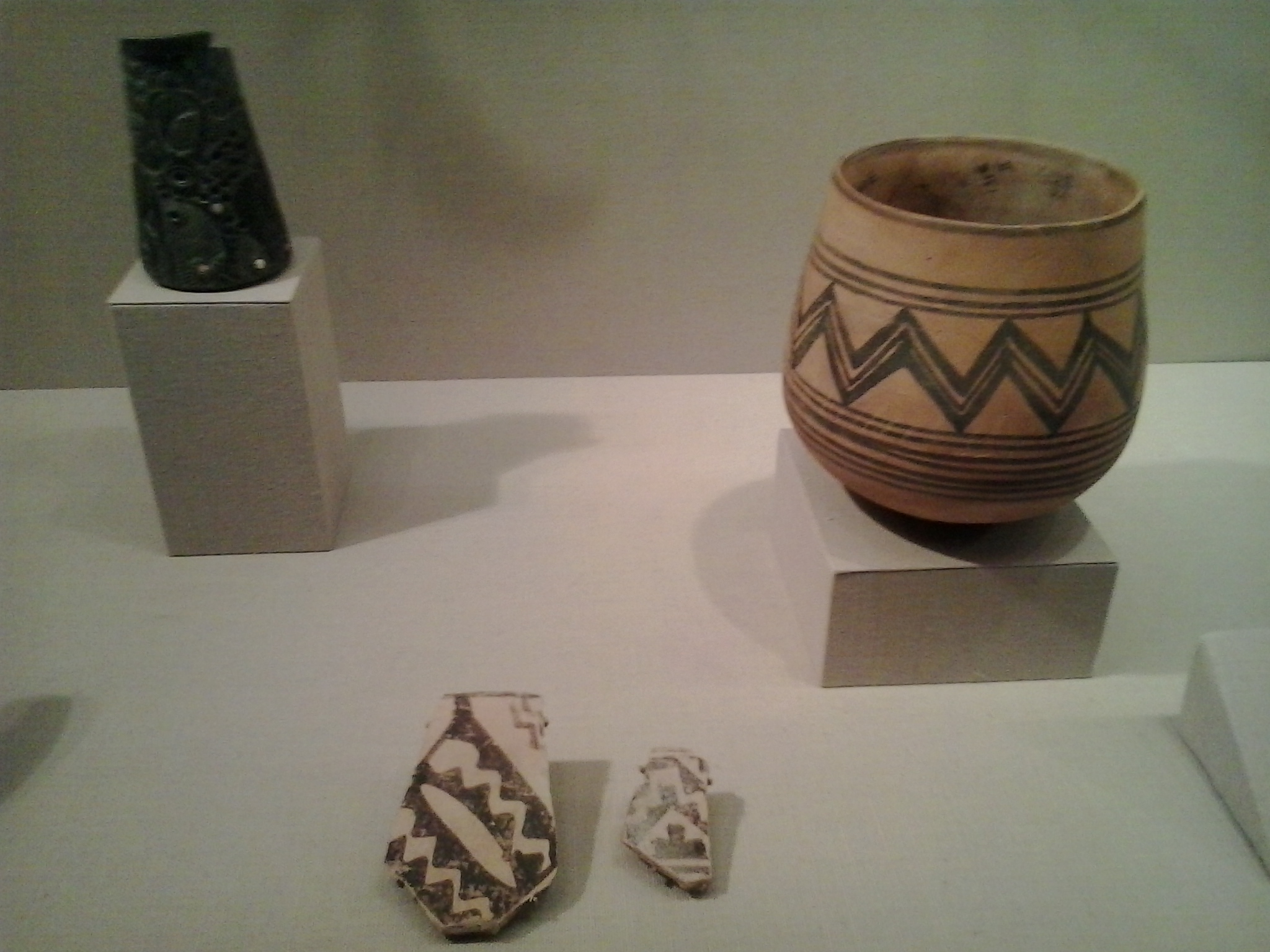
Left – Ardabil Carpet at the V&A Museum; Right – Pottery at the Metropolitan Museum of Art
I suppose there are two avenues of artmaking – making art with a purpose and without a purpose. Art made with a purpose can be many things: communication, self-expression, commentary on the world/social issues. Art made without purpose may simply be a collection of marks, colors, experiments. And some art lies in between the purposeful and purposeless. Except even art made without a purpose, while not initially meant to have a purpose, may still be meaningful.
Does there need to be a reason? Can people make art just because they want to? Do people make art for themselves or for the world? Is it selfish to make art for yourself? Can art be created simply for the purpose of being created?

 Annika Marthinuss