Setting Up An Art Classroom As A First Year Art Teacher

I graduated college in December 2020 and then I started interviewing and looking for a job as an art teacher. One of the places I applied to had an immediate opening, so after interviewing and being offered the job, I excitedly accepted it! I have been teaching K-8 art at the school since February 2021 and I love it! One of the parts I was excited about when starting my job was getting to set up the art room in a way that made students excited to learn and provided different centers and stations where students could use different art media. Currently, I teach all my elementary classes virtually, and only some middle school students come to the art room. Even though I don’t see a ton of students in my art room, I’ve used the time to get organized, take inventory of materials, and prepare for next year when I will hopefully get to see more students in the art room.

When I arrived in my new art room, my first steps were to go through everything and take note of what materials I have and don’t have so I can plan for future lessons. I am a bit of a neat freak, and I like everything to be labelled and have a set spot so I remember where it is.

Image Above: Process of organizing and labelling shelves in cabinets

Image Above: Me in my new art room before organizing or decorating

When I started teaching, at first everyone was still virtual as the second quarter ended. At the start of the third quarter, the school switched to hybrid, and at first I thought I would still be teaching virtually, but then I was informed at the last minute that middle school would come to the art room. I had to quickly throw my room together so it would be ready for students and have enough room in between each table so students were distanced from each other.

At first, keeping track of materials was tricky – I assigned each student a box with supplies for their personal use during class. But it was difficult when I wanted students to be able to use other materials. Luckily, I was subbing at the end of the day for another teacher and I noticed she had a shelf for materials in quarantine and I absolutely LOVED the idea, so I made my own materials in quarantine shelf. This has been a lifesaver. Whenever students use something from a regular materials shelf, they put it on the quarantine shelf and then I can keep track of which materials have been used and make sure I sanitize the materials before students use them again.

Image Above: Materials in Quarantine Shelf

DECORATING!!

Decorating is my favorite part. I love organizing too, but decorating brings everything together.

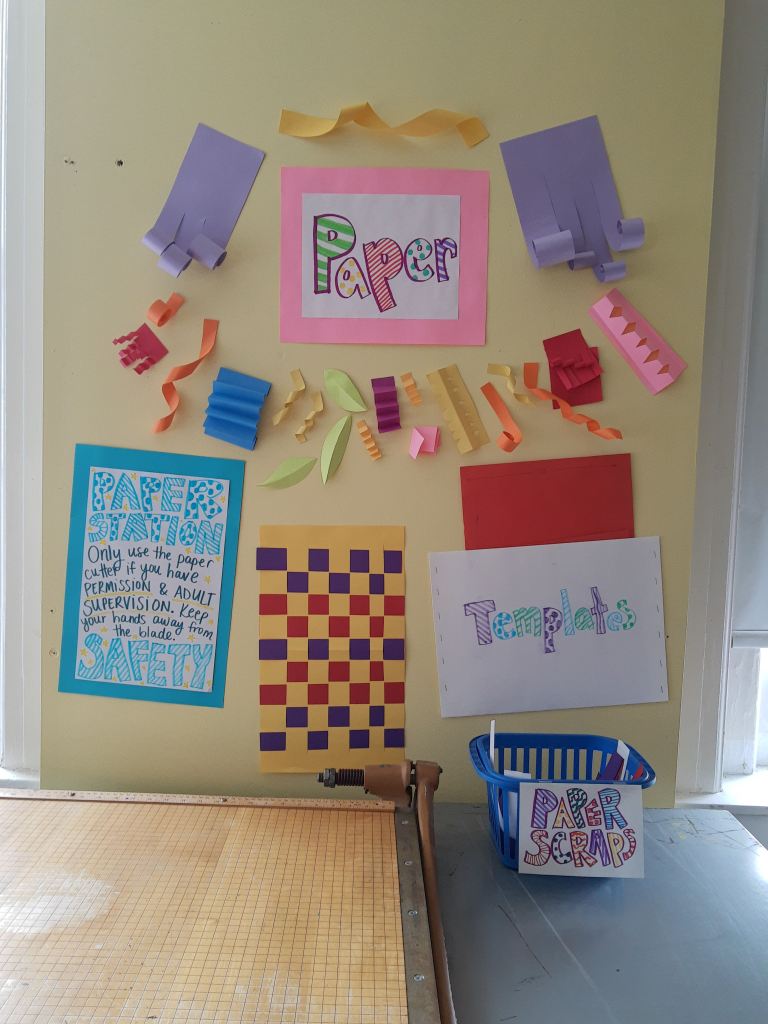
I decided to separate the room into different stations so all similar materials are together:

Painting Station:

Printmaking Station: All printmaking supplies are to the right of the paint station.

Paper Station:
Craft Station:
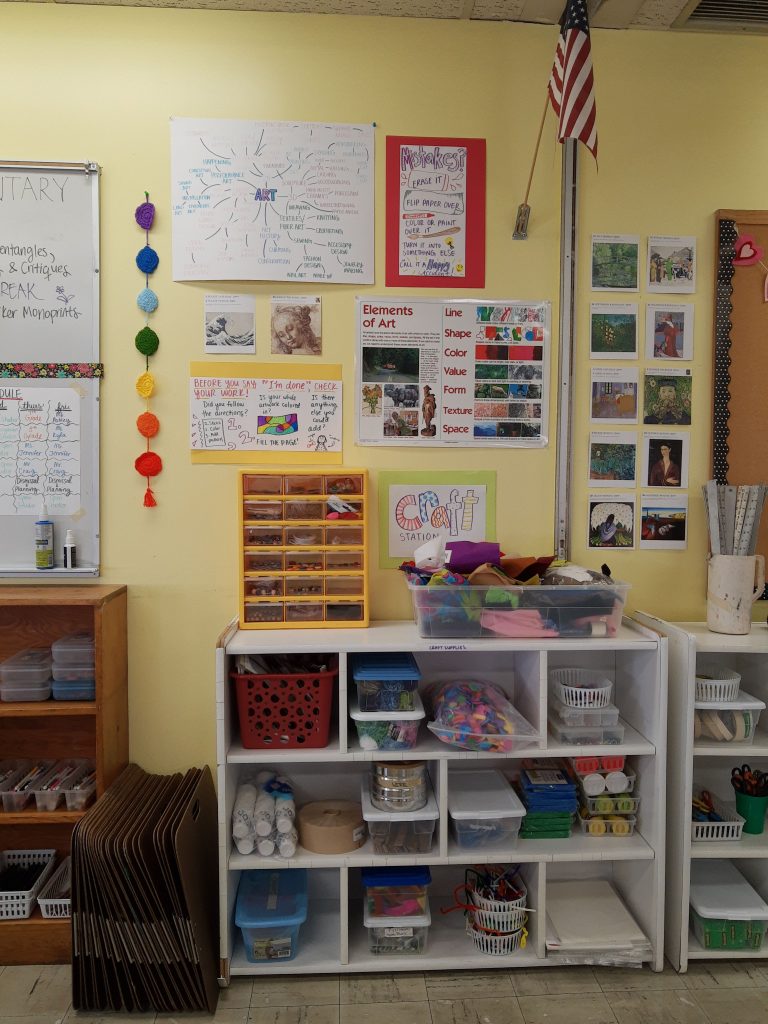
Early Finishers Station:

The whole art room:

For now, I am happy with how the art room is set up. I want to continue adding more activities to my early finisher station and figure out how I’m going to run the art room next year when I’ll have a lot more students.

Oh, and I almost forgot to add, I made most of the posters in the art room and once I placed the posters around the room, I discovered a whole drawer full of posters. I hung up some of the posters I found to fill in extra spaces with some splashes of color.

I hope to share more of my journey as a new art teacher and everything I’m learning 🙂

Symmetrical Creatures & Asymmetrical Backgrounds

I think this has been one of my favorite lessons I’ve taught to lower elementary this year. The project is fairly simple, but students came up with so many creative ideas! I taught the lesson virtually, but for whenever in-person lessons resume, I would definitely have the students use construction paper for their creatures and paint for the background.

My teacher examples:

Objectives:

Students will be able to:

  • Identify symmetrical and asymmetrical images
  • Create a symmetrical creature using folding, drawing, and cutting
  • Create an asymmetrical home for their creature using drawing/painting
  • Write an artist statement

Day by Day Breakdown:

Day 1:

  • Introduction to symmetrical balance – stand on one leg, what happens?
  • Symmetrical identification game
  • Looking at symmetrical photos/art
  • Art demo – how to create symmetrical creature
  • What does your creature look like?
    • Does your creature have:
      • fur?
      • scales?
      • patches?
      • a tail?
      • arms/legs?
      • eyes?
      • clothes?
      • fins?
  • Student work time

Day 2:

  • Introduction to asymmetrical balance
  • Review of symmetrical balance
  • Symmetrical or asymmetrical identification game
  • Art demo – how to create asymmetrical background
  • Where does your creature live?
    • underwater?
    • the woods?
    • mountains?
    • beach?
    • house?
    • island?
  • Student work time 

Artist Statement:

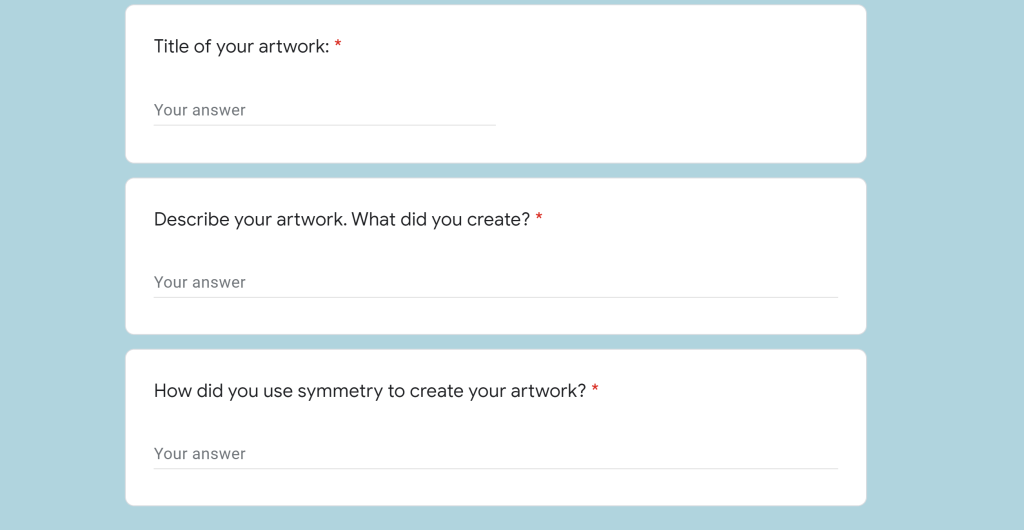
For lower elementary, I have students write a mini artist statement including the title of their artwork, describing their artwork, and explaining how they used one of the concepts in the lesson. This is my Google forms virtual version:

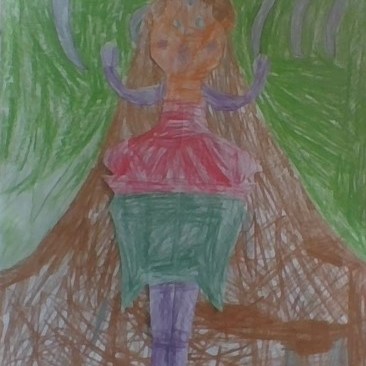
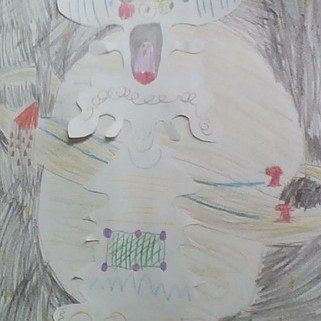
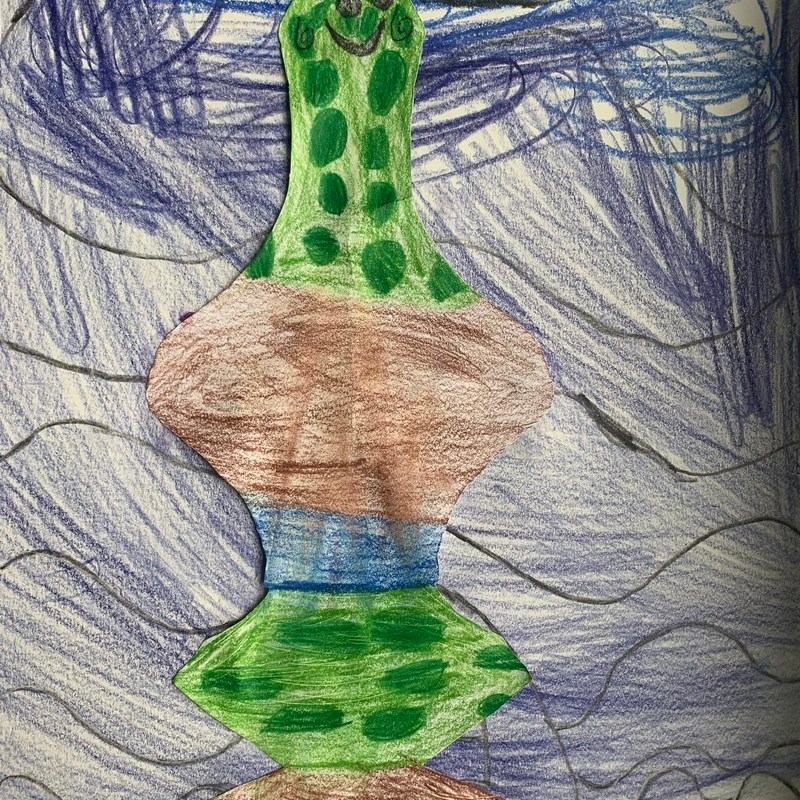
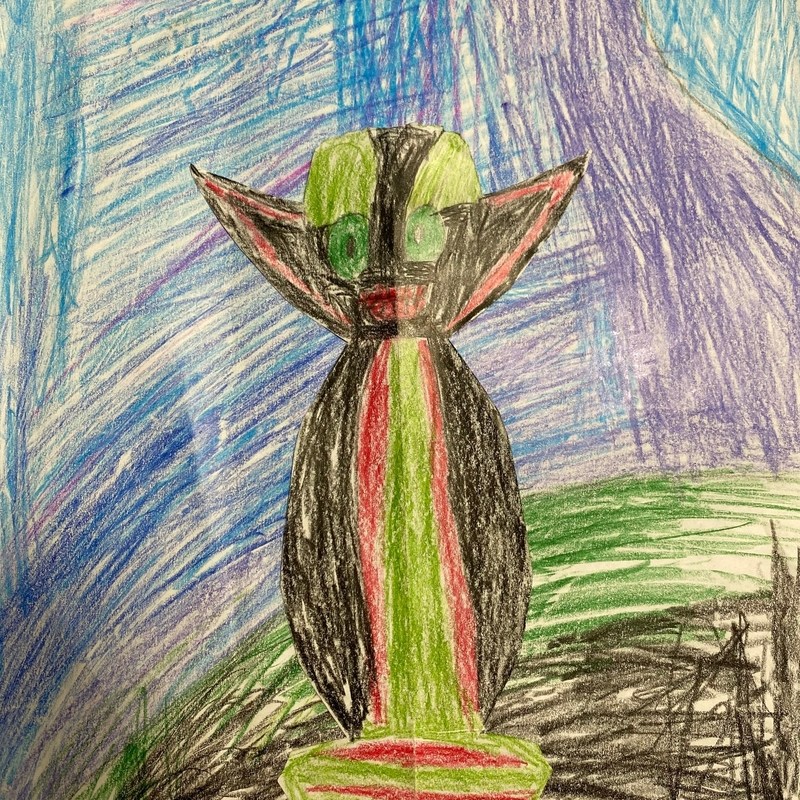
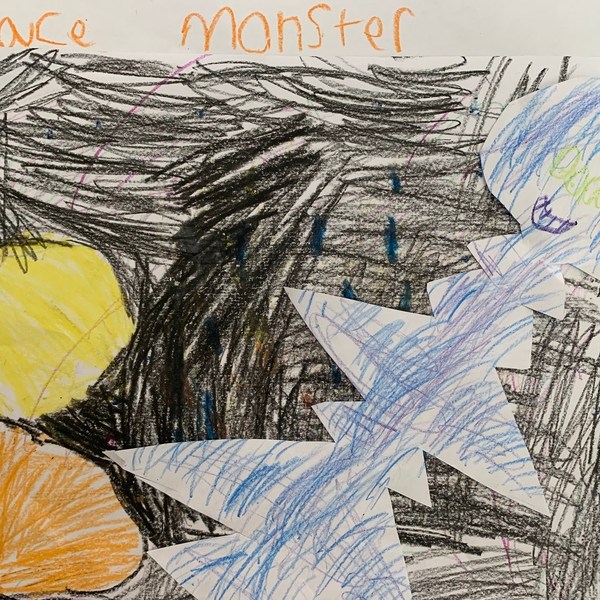
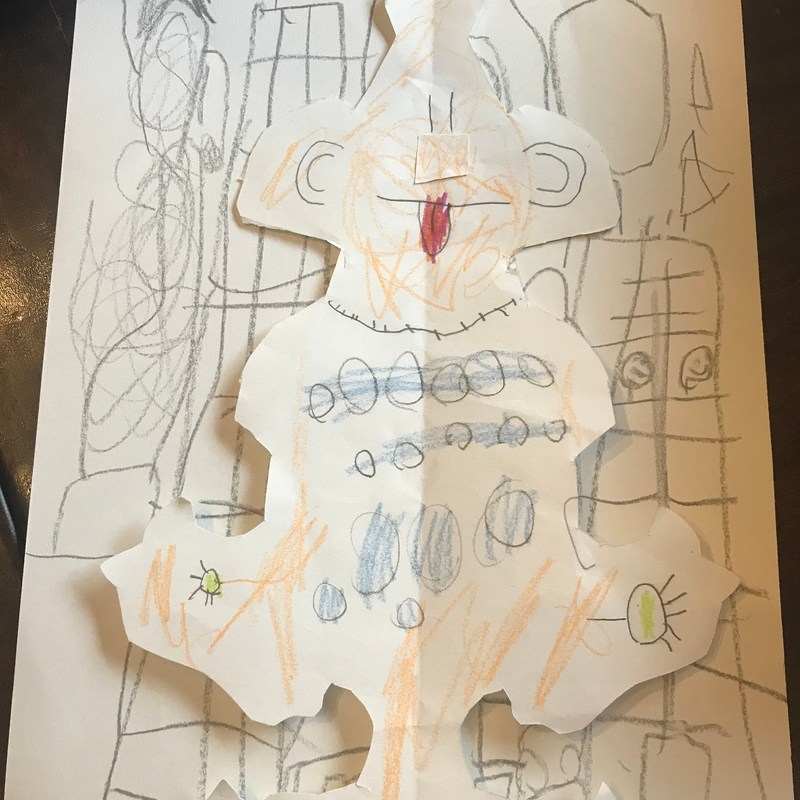
Student Artwork:

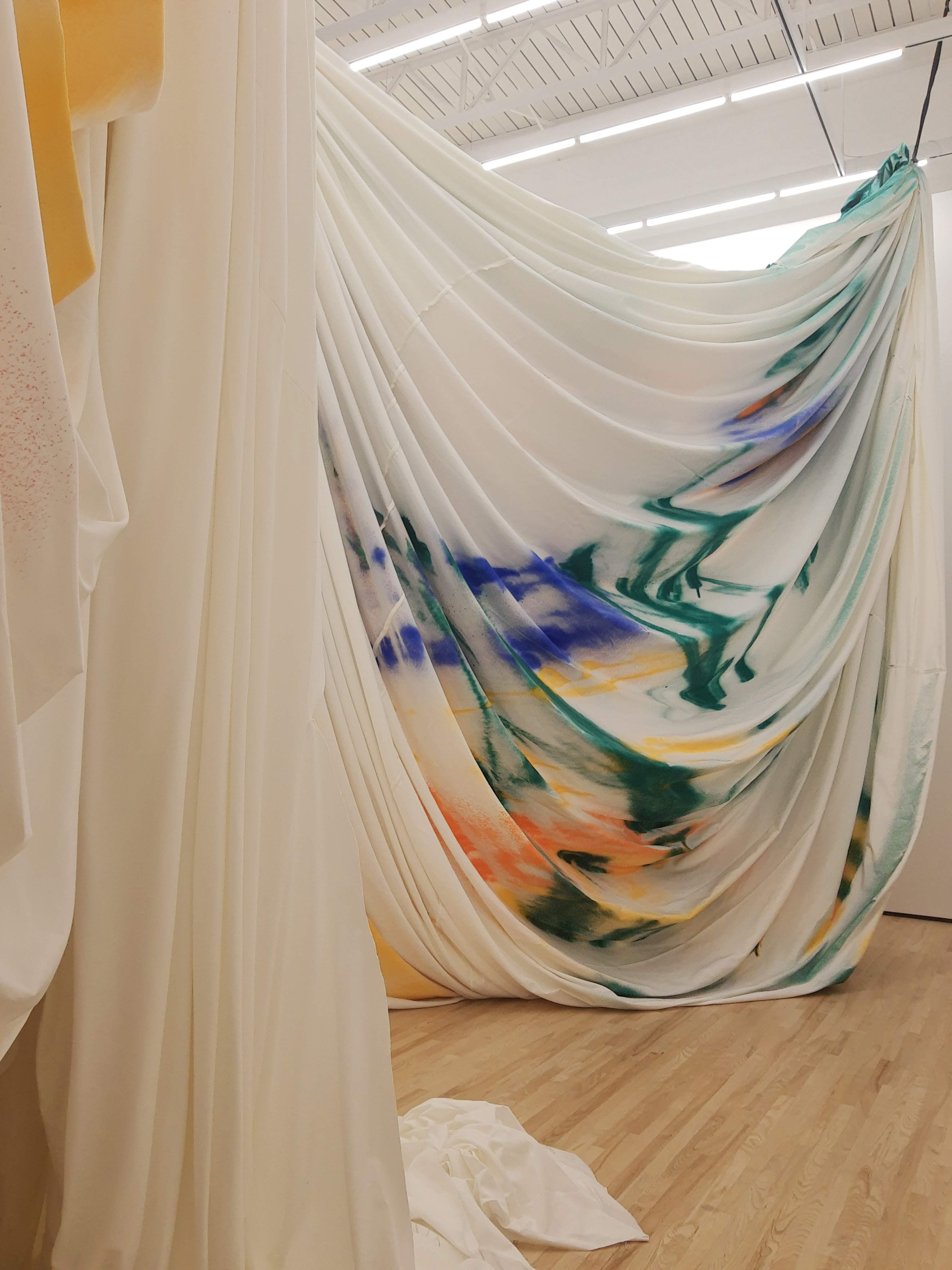
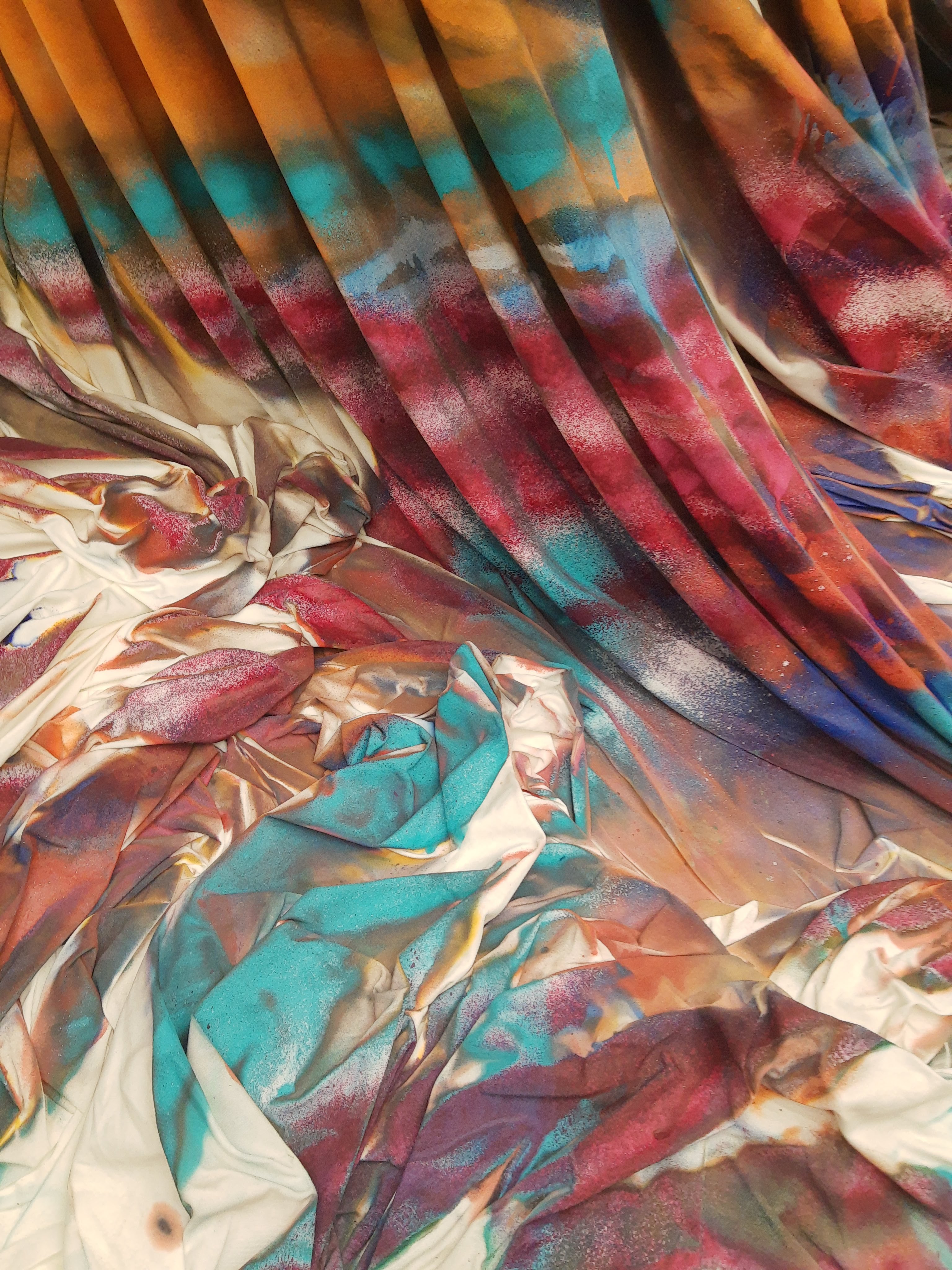
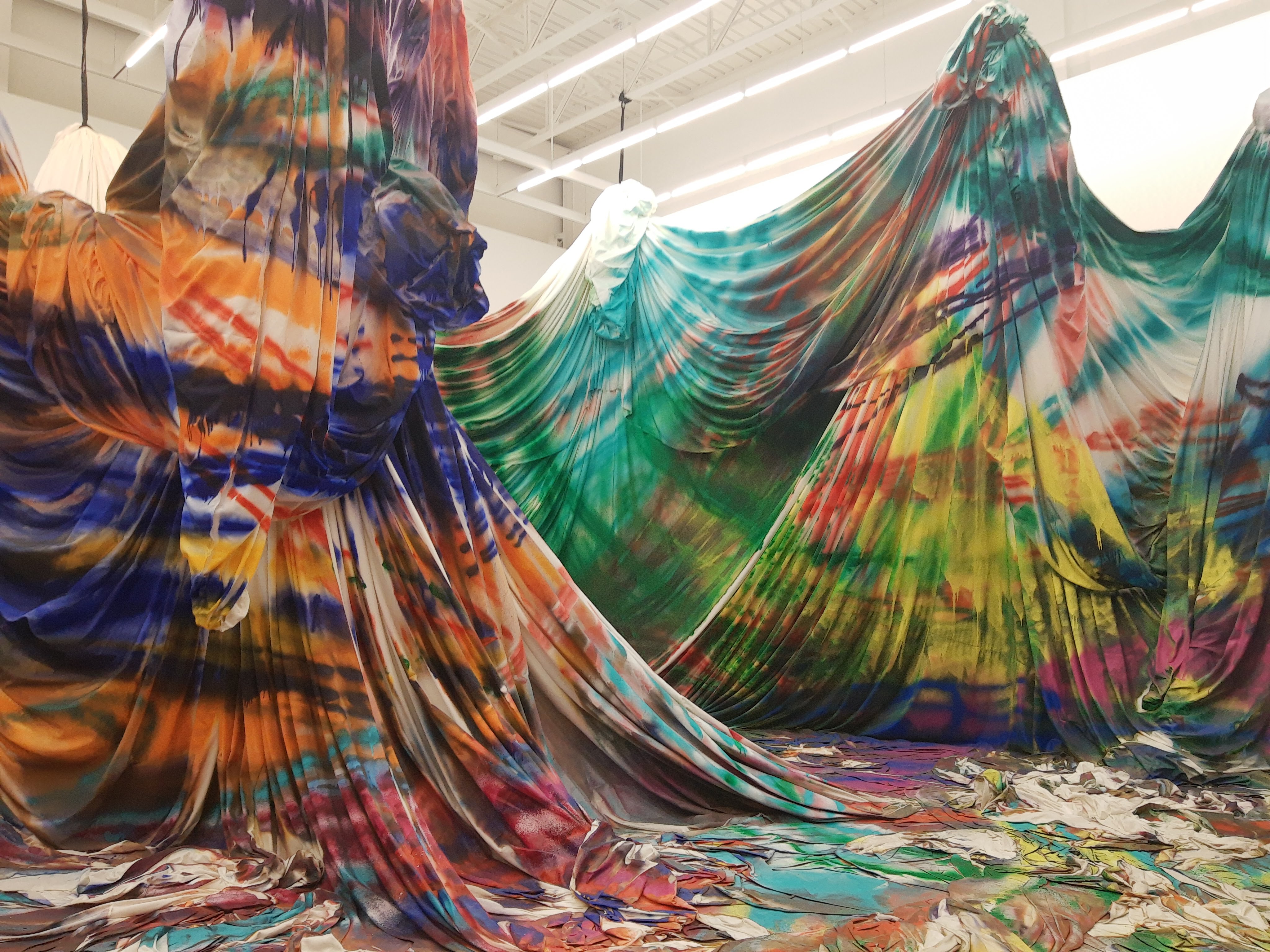
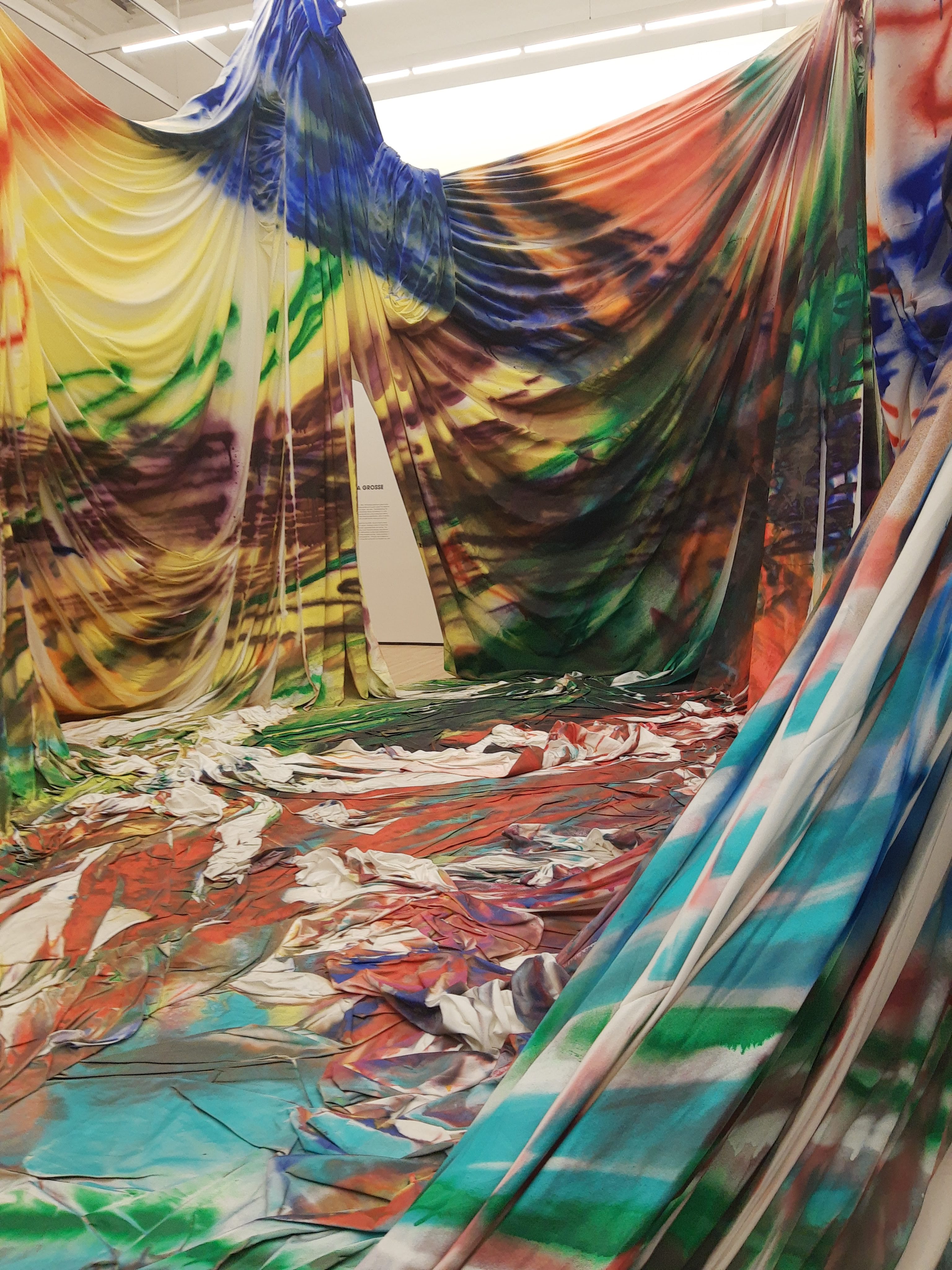
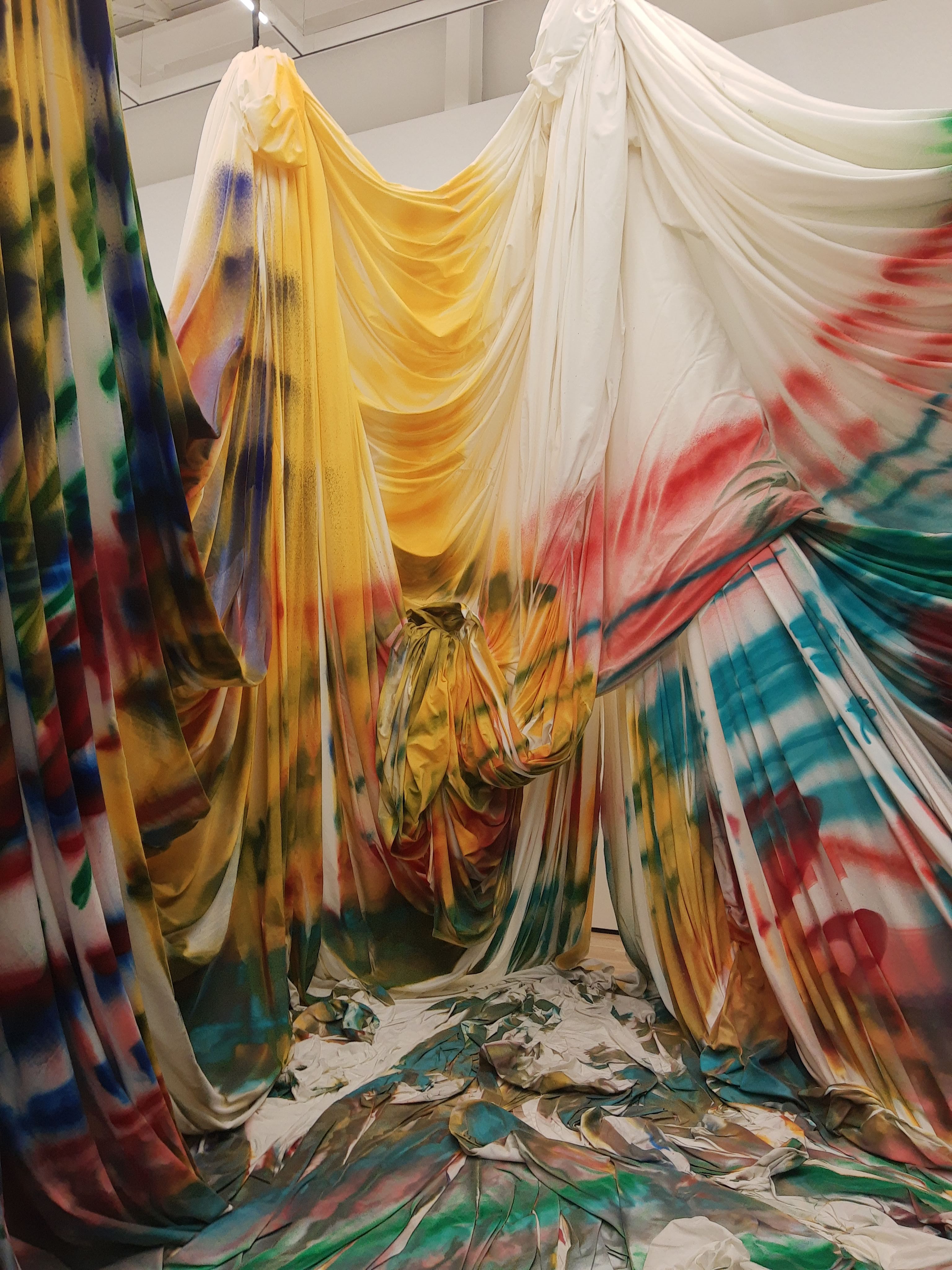
Katharina Grosse: Is It You?

I’ve seen photos of Katharina Grosse’s art, but it was so different seeing it in person.

I walked around the outside of the hanging canvases, seeing glimmers of color peeking through. To say it’s massive is an understatement. 50,000 square feet of canvas, suspended and draped from the ceiling to the ground.

When we finally found the entrance, we walked into a different world.

Yes, I have way too many photos of this installation. It’s just so cool! It was such an immersive and calming experience. Even though the colors are chaotic, being inside this massive cocoon of an artwork, I felt safe and comforted and enveloped. The thick, canvas walls muted the sounds outside. The echos of the galleries were gone. Everywhere I looked, I found new corners of a landscape – shifting, oscillating nooks.

So. Cool!

This piece is called “Is it you?”. The title confuses me. To me, it means people can get lost in this piece. It’s so colorful and busy and so large that you blend in with your surroundings.

After I listened to Grosse discuss this installation, she mentioned how

“you are as strange to the painting as it is to you”.

-Katharina Grosse from “Katharina Grosse.” Art Matters from WYPR, 6 March 2020, https://www.wypr.org/show/art-matters/2020-03-06/katharina-grosse

You enter this painting and can interact with it how you wish. I also found it interesting how she discussed how there’s so much information to take in that depending on where you are within the artwork, you have to process and adapt and view it differently. You can experience this art, you can walk on it, through it, around it.

Artsy Earrings

I decided I want to be like Ms. Frizzle. I had free time this weekend and started making earrings, and then I was inspired by Ms. Frizzle (from The Magic School Bus) to make earrings that match my lessons.

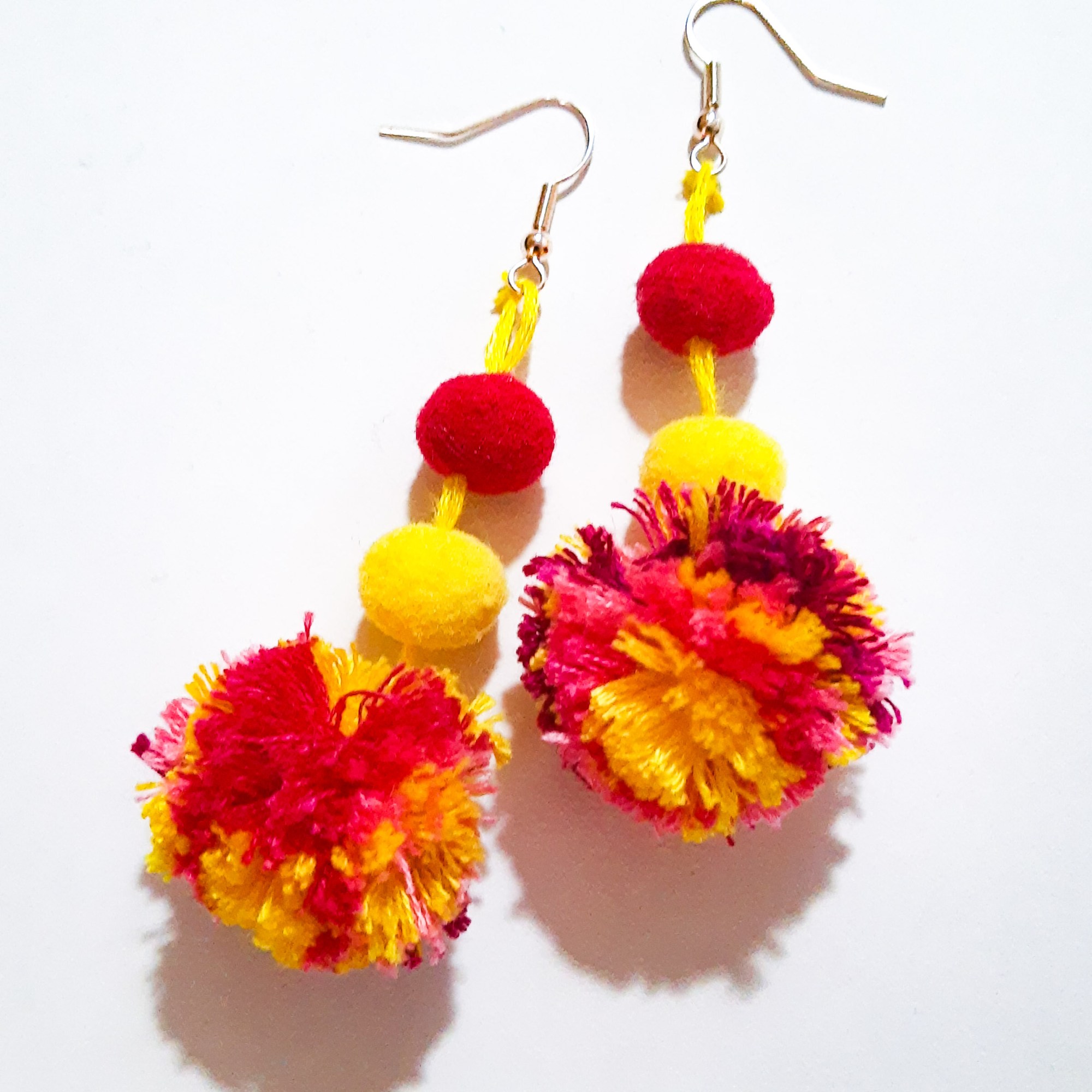
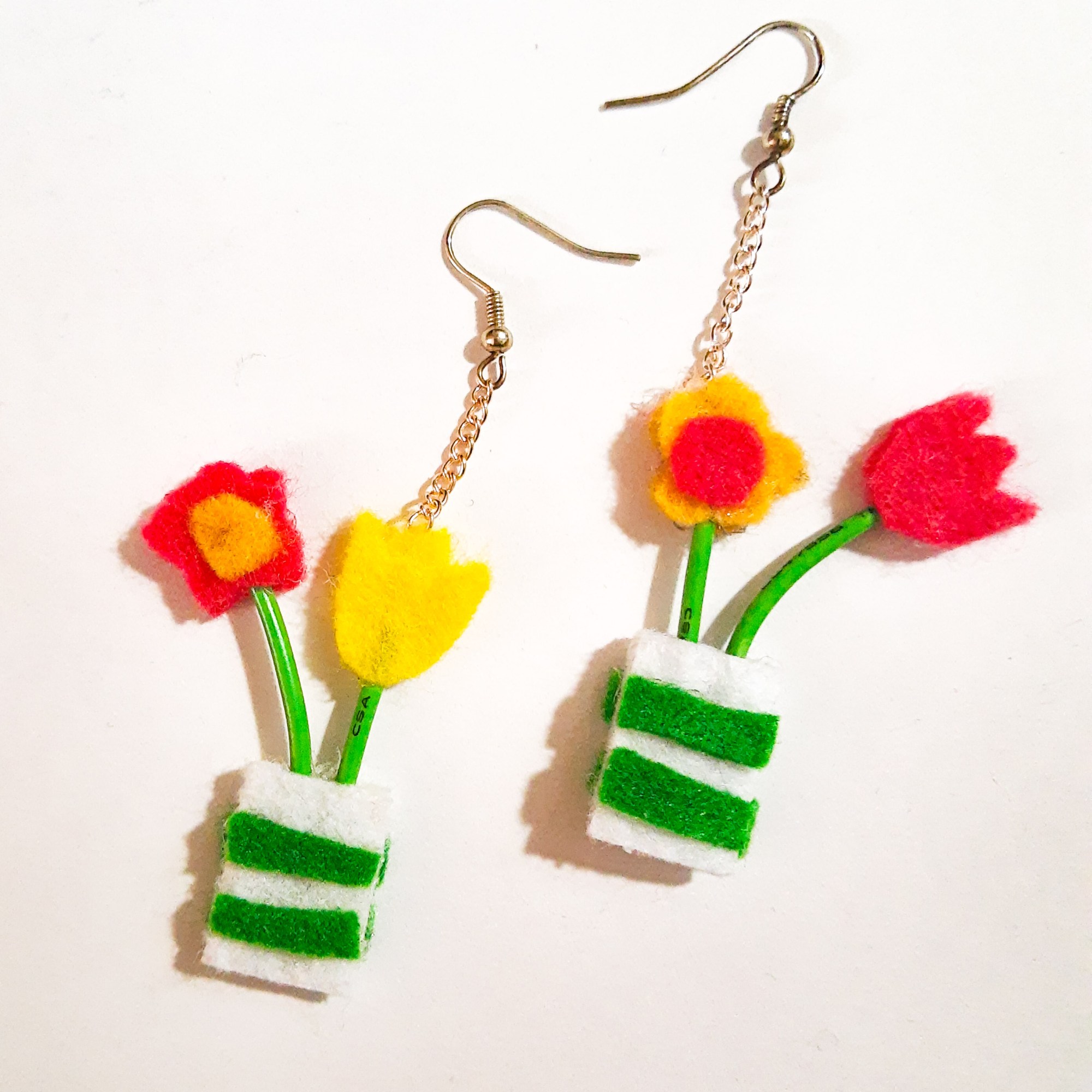
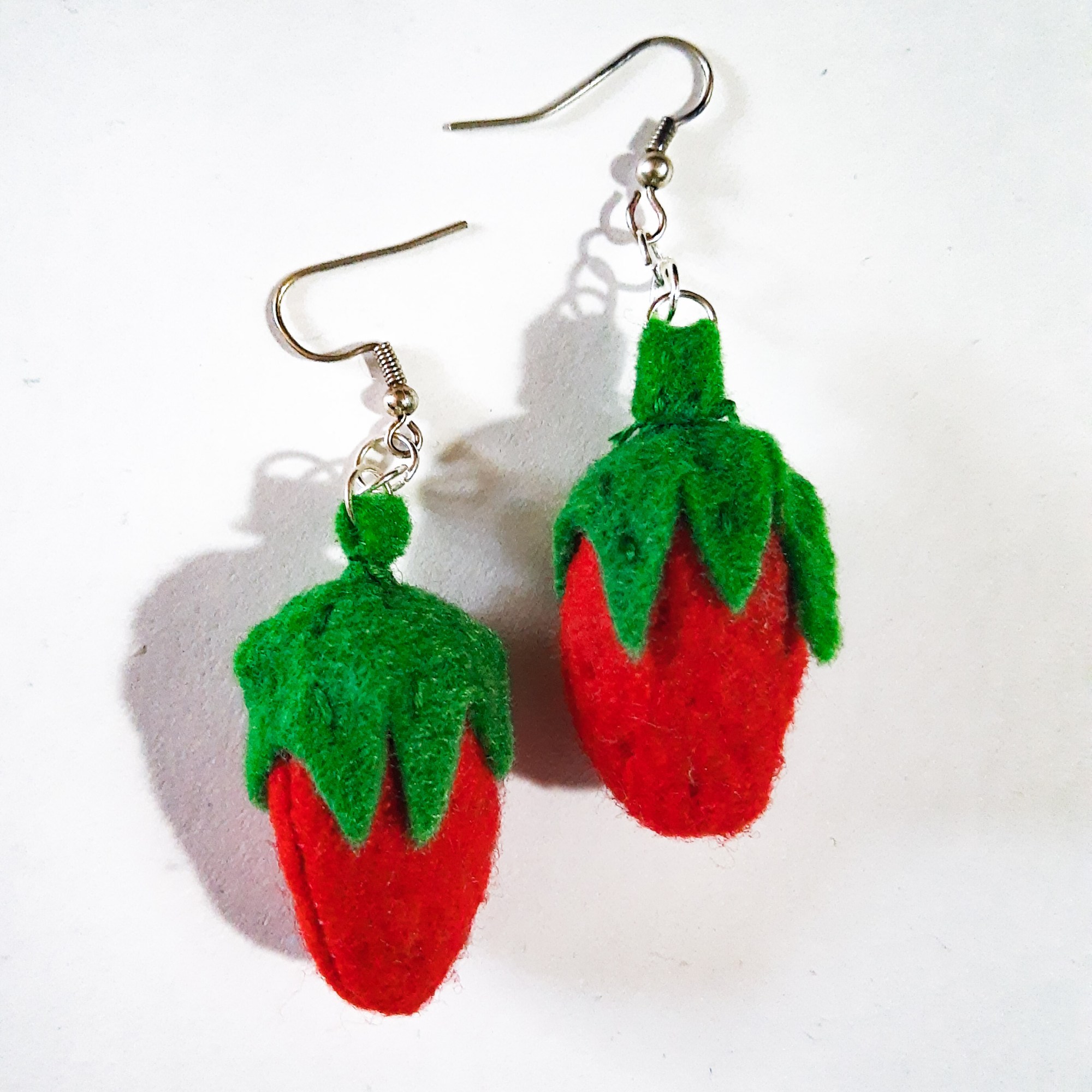
The earrings I made: Top row (from left to right): PCBs, Pom Poms, Cherries. Bottom row (from left to right): Still Life Vases, Strawberries, Wrapped Stones and Pom Poms

The pom pom earrings don’t really match with any of the lessons I’m planning, but I am teaching still life art to lower elementary this week so I can at least match with some of my lessons 🙂

Materials I used to make my earrings:

  • PCBs (Printed Circuit Boards) – I found tiny printed circuit boards from inside an old speaker and from old phones (and my brothers helped me take apart the old technology and unsolder them). I added jump rings through each loop and a button and other electronic part above the PCBs, and then I added the earring pieces.
  • Pom Poms – I made two pom poms with different colors of embroidery thread. I used the excess thread and sewed on two smaller pom poms that were storebought.
  • Cherries – Green wires, embroidery thread, & felt
  • Still Life Vases – Green wires, felt, small chains
  • Strawberries – Felt, embroidery thread
  • Wrapped Stones and Pom Poms – stones, pink wire, embroidery thread

How I make pom poms:

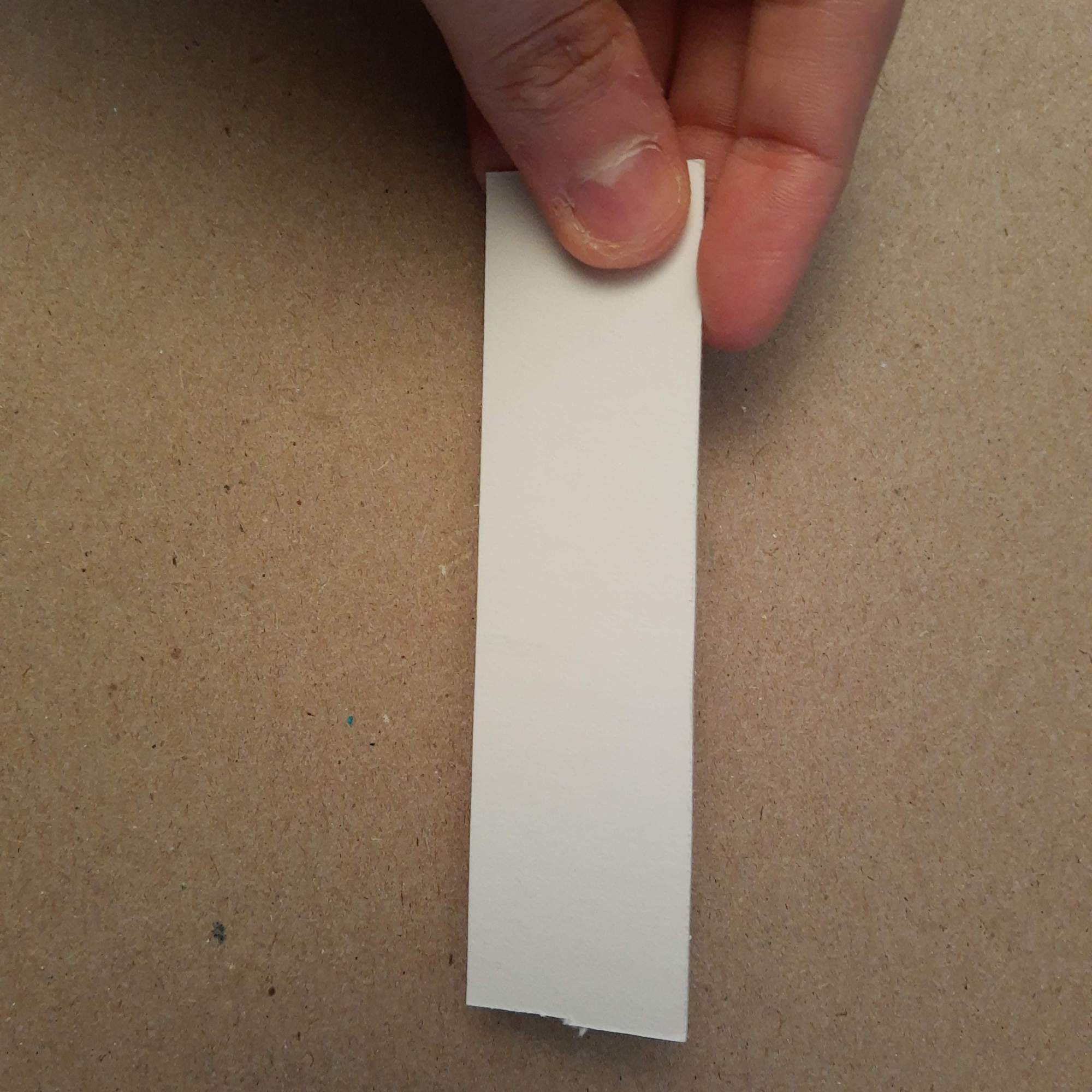
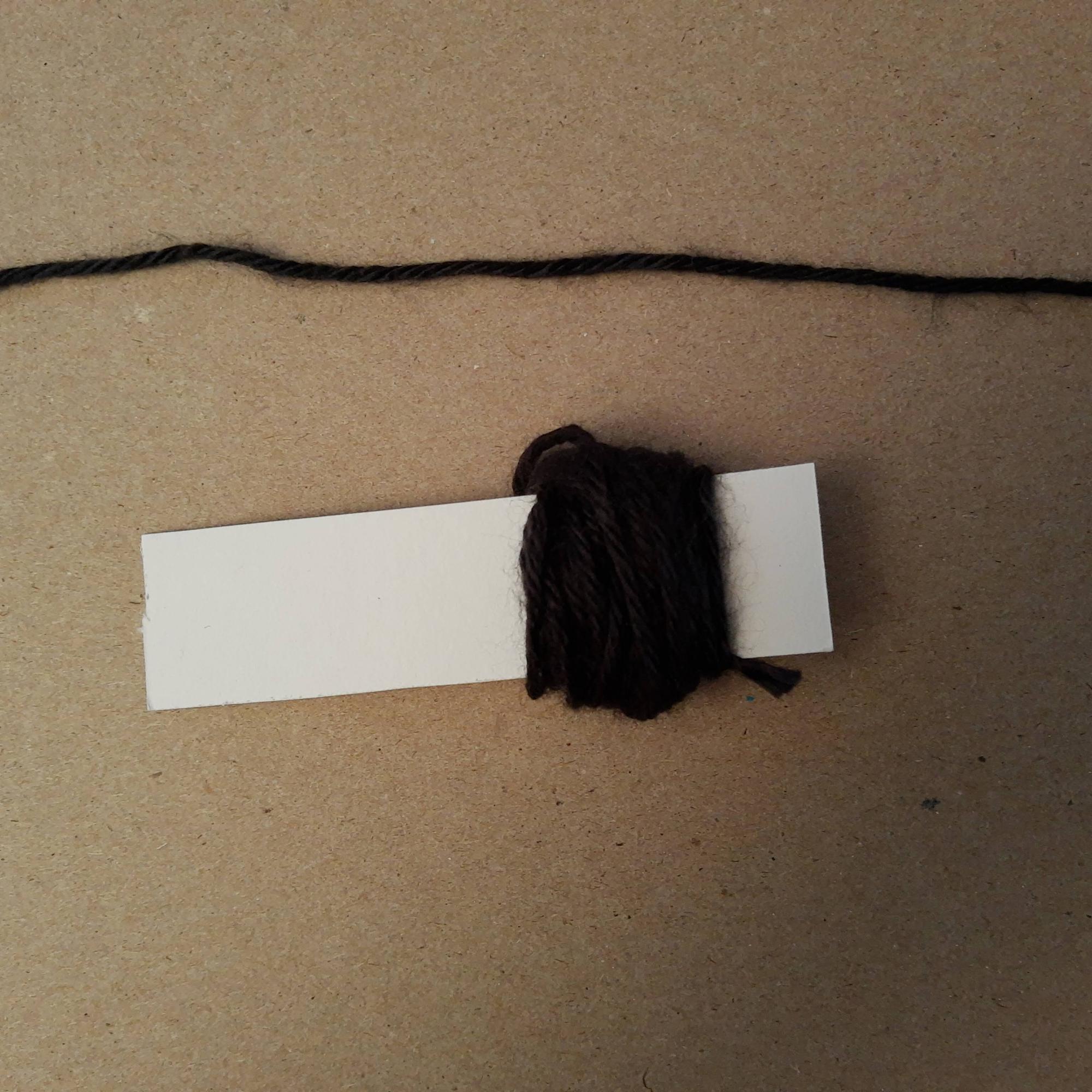
  1. Cut out a small strip of cardboard.
  2. Wrap embroidery thread or yarn around the cardboard.
  3. Wrap until you have a thick amount of yarn to make a fluffy pom pom.
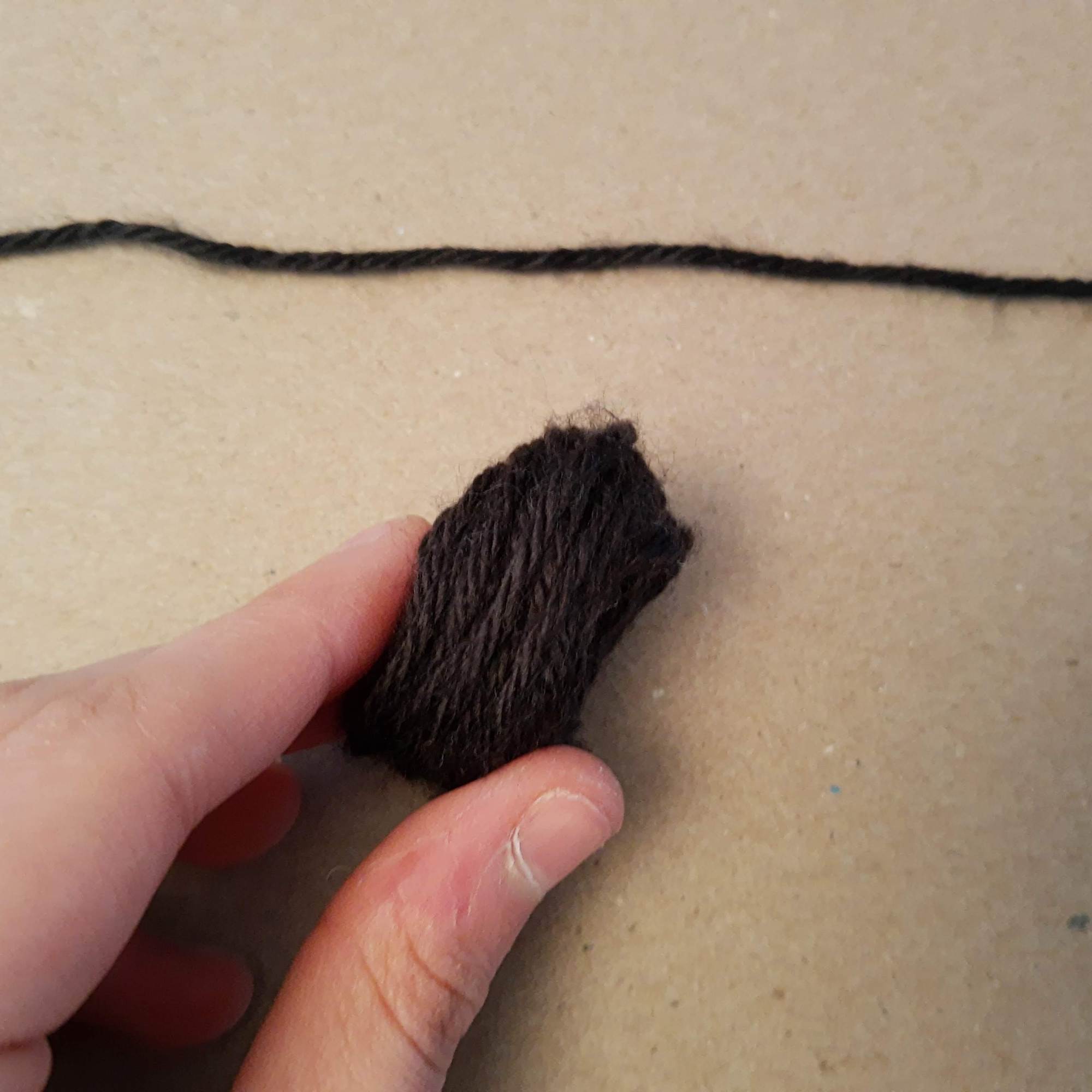
  4. Cut a smaller string out and put it aside.
  5. Slide the loop off of the cardboard.
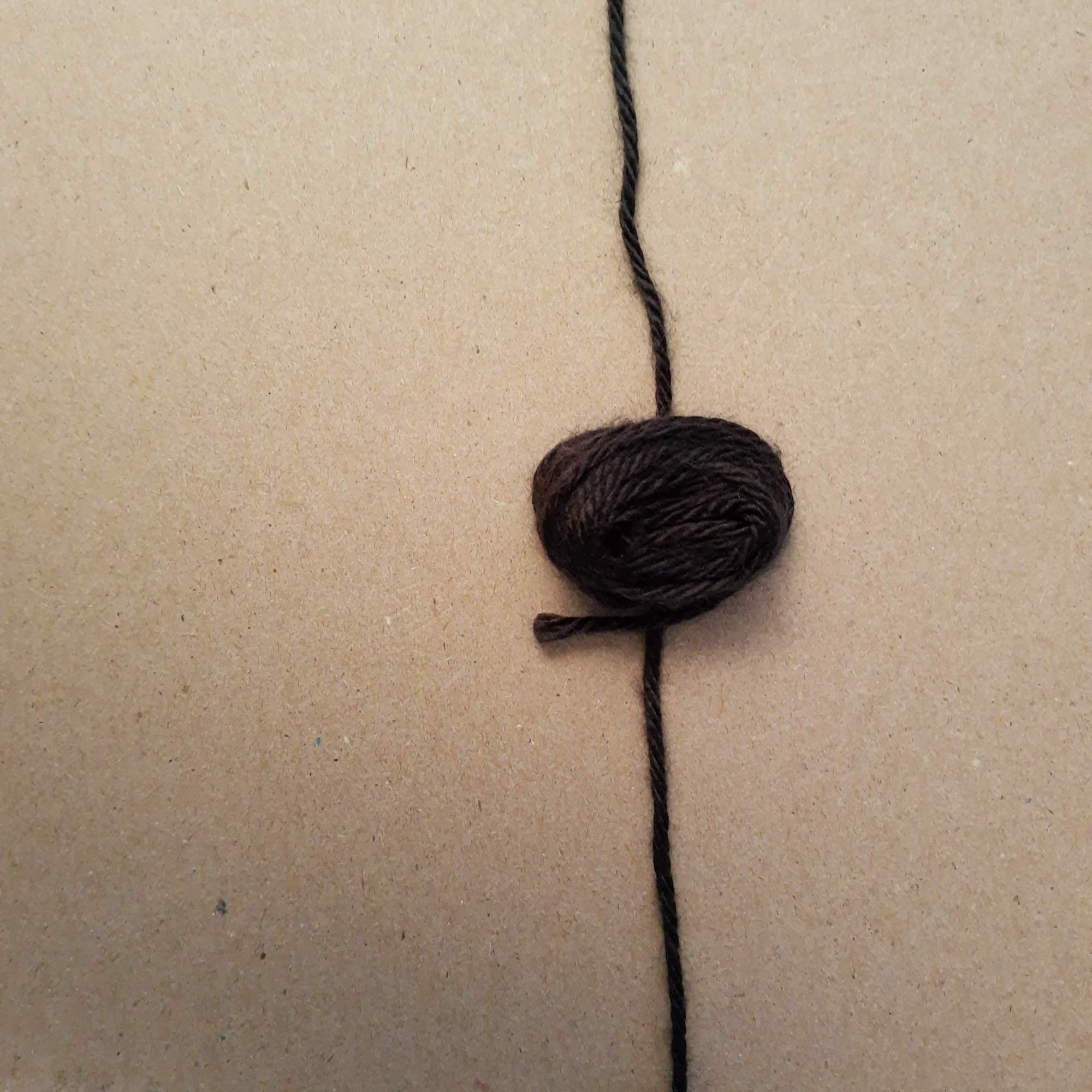
  6. Place the loop of yarn on top of the string
  7. Tie a knot around the center of the loop.
  8. Tie another 2 or 3 knots around the center to make it secure.
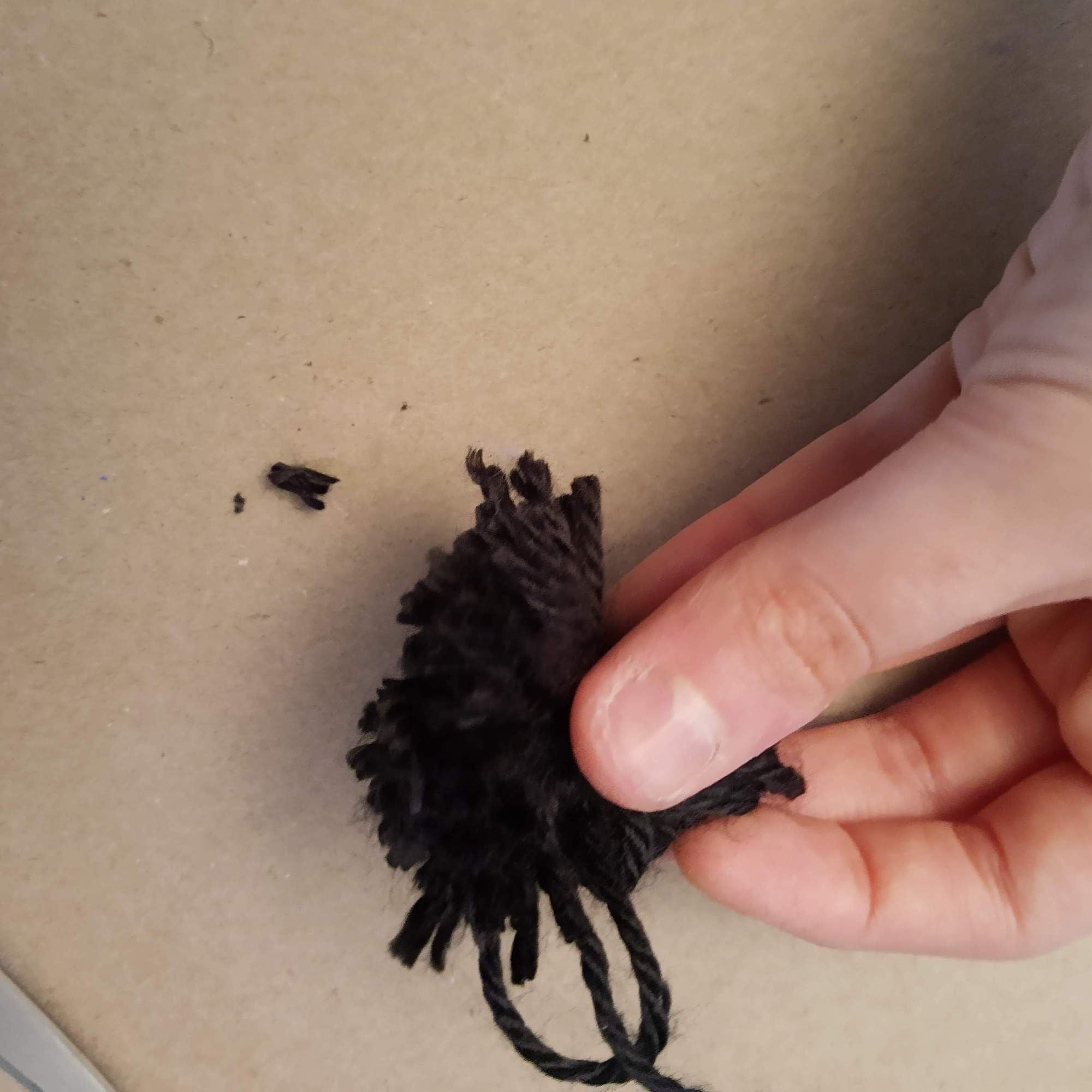
  9. On one side of the knot, cut through the loops.
  10. Cut out the loops on the other side of the knot
  11. Trim excess yarn so the pom pom is even and fluff it up.