Eric Carle Inspired Earrings

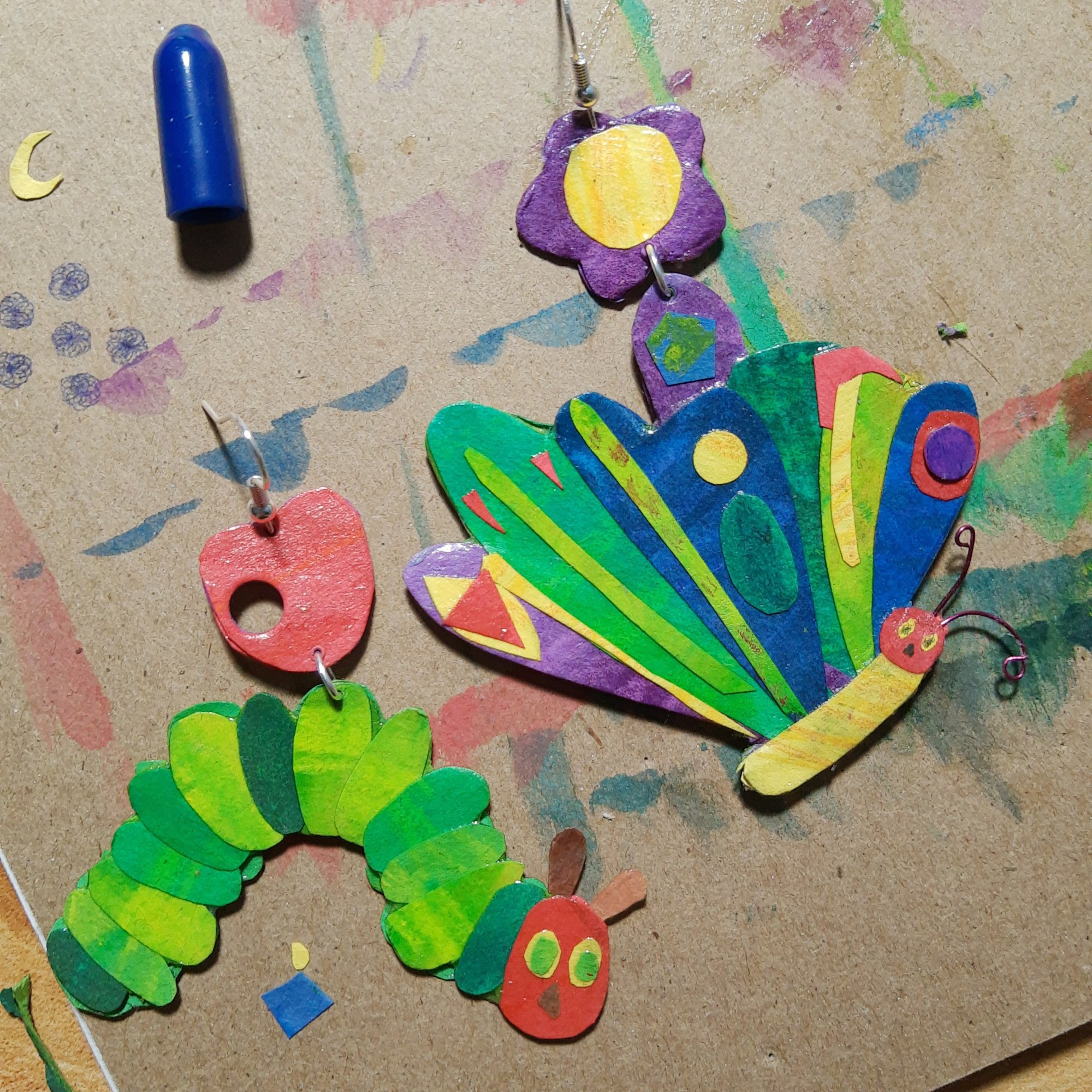
I made Eric Carle Hungry Caterpillar inspired earrings! This was a tedious process, but I am super happy with how they turned out 🙂

How I made my earrings:

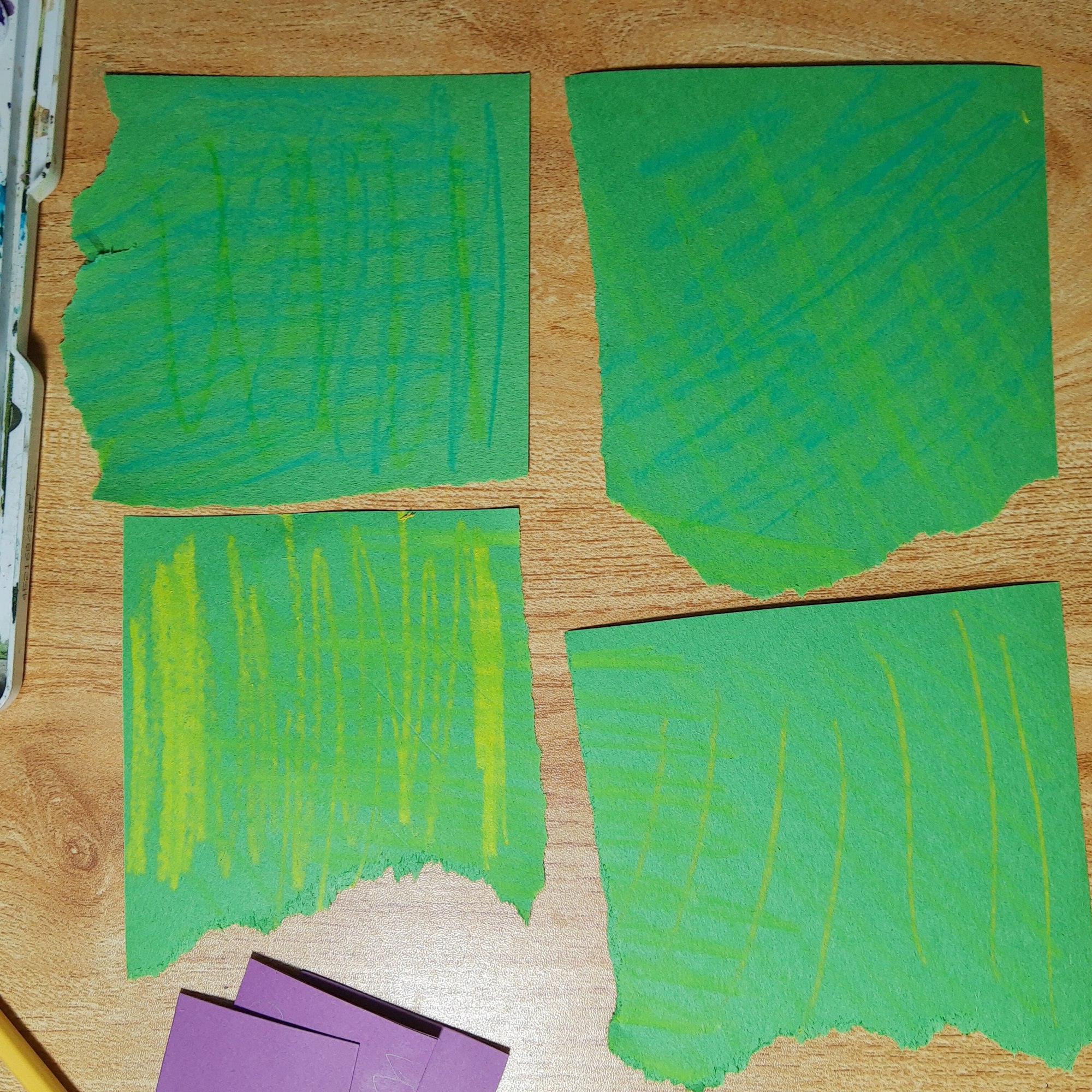
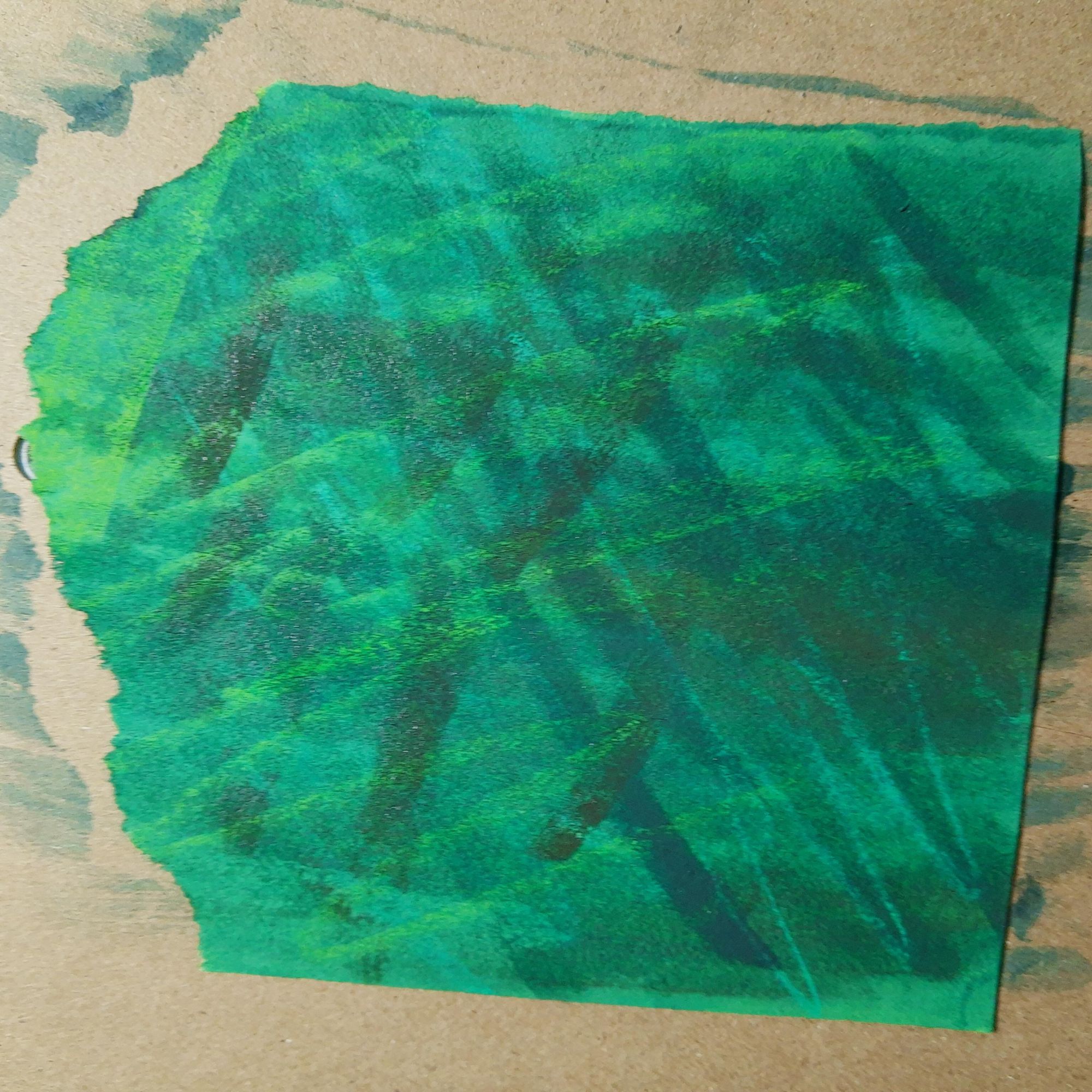
  1. First, I grabbed a ton of construction paper scraps and added random marks with crayons. Then I painted on top of the paper with watercolors/ink to add more color variations.
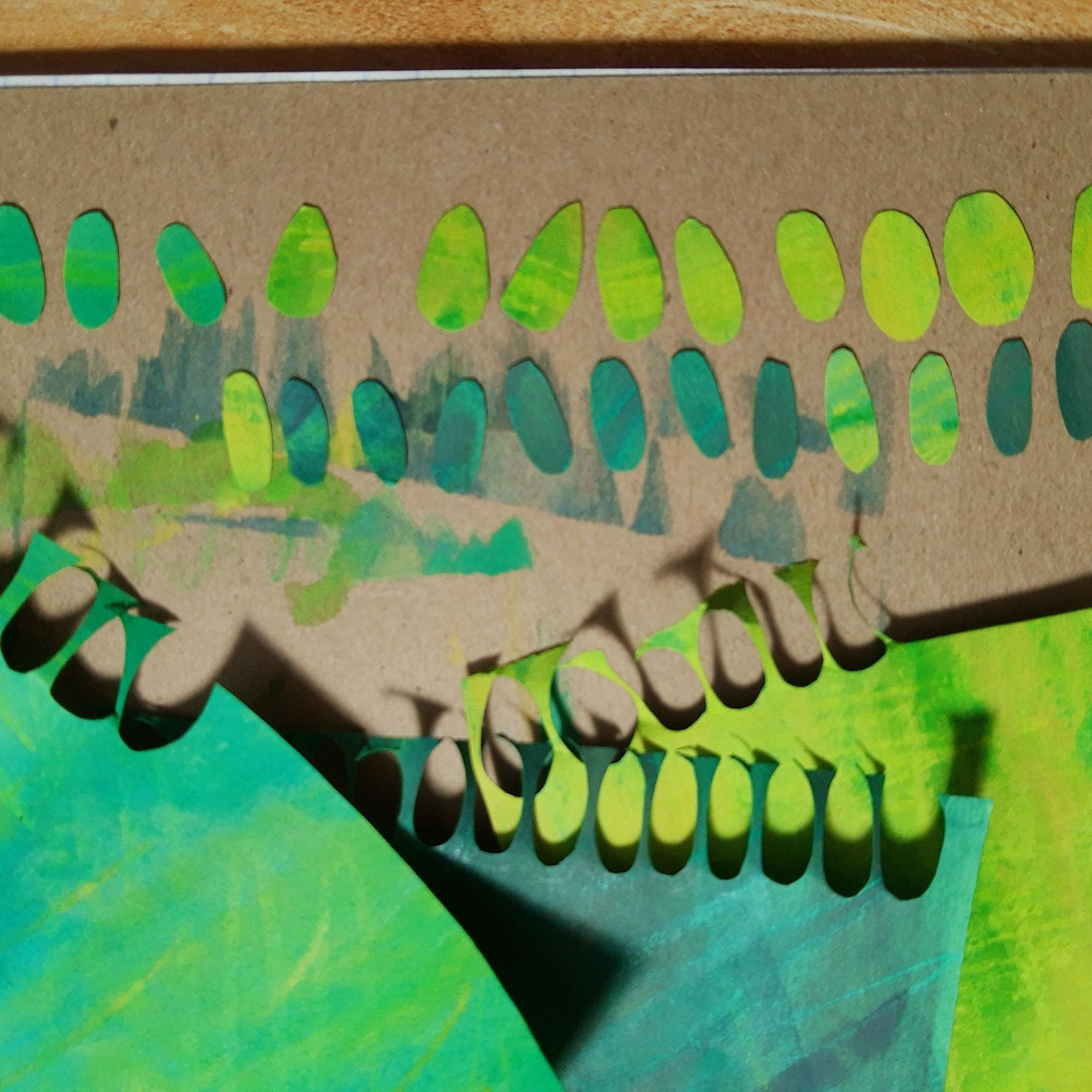
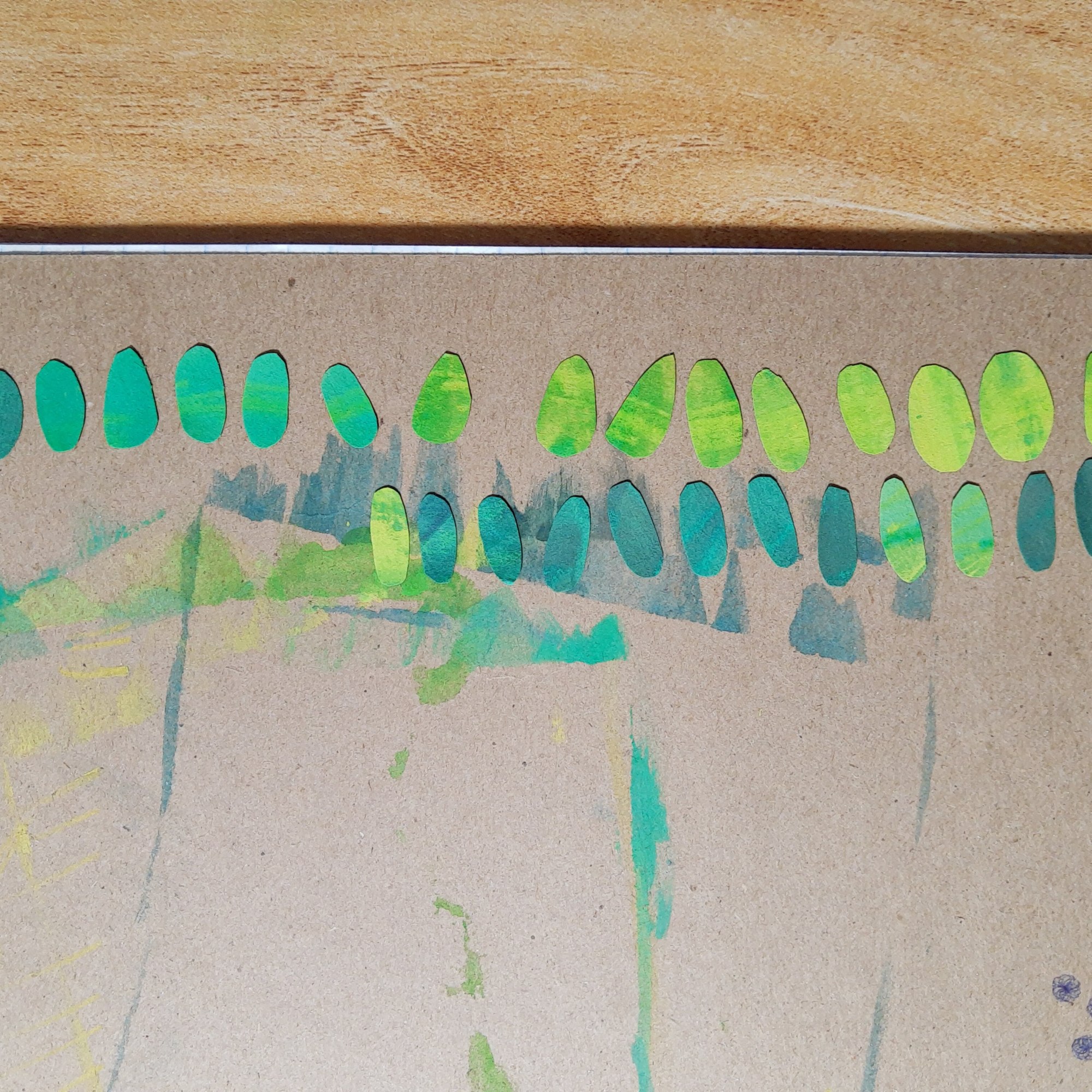
  2. Once I had all my papers prepped (I used green, red, yellow, purple, and brown), I began cutting out the different shapes to create a collaged caterpillar. Basically, lots of tiny ovals.
  3. Then, I mod podged all the collage pieces onto my base paper. To make the base paper, I mod podged three pieces of cardstock together to make a sturdy base. Once I attached all my collaged pieces of the caterpillar to the base, I went over the whole thing with a couple layers of mod podge to hold everything in place and protect the paper.
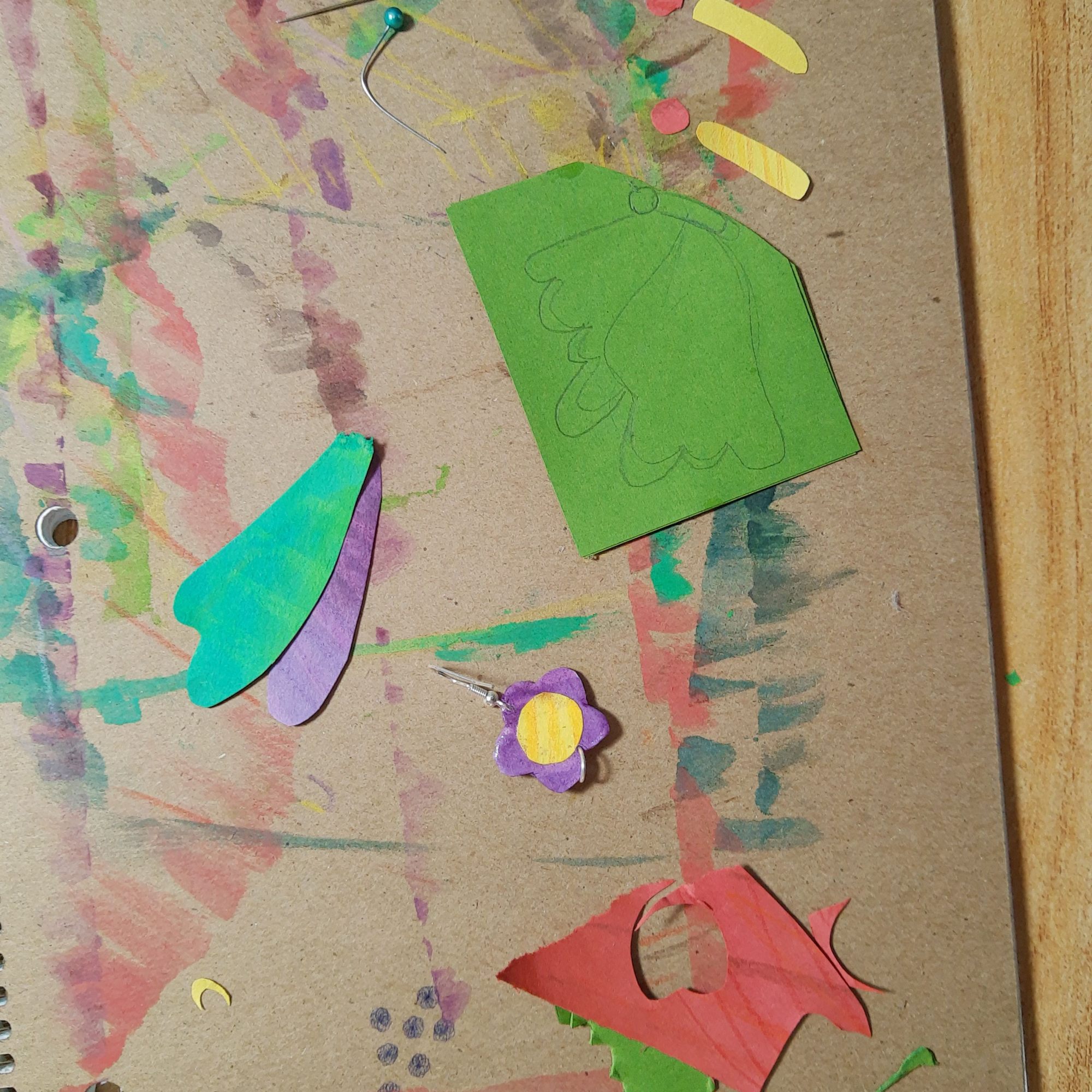
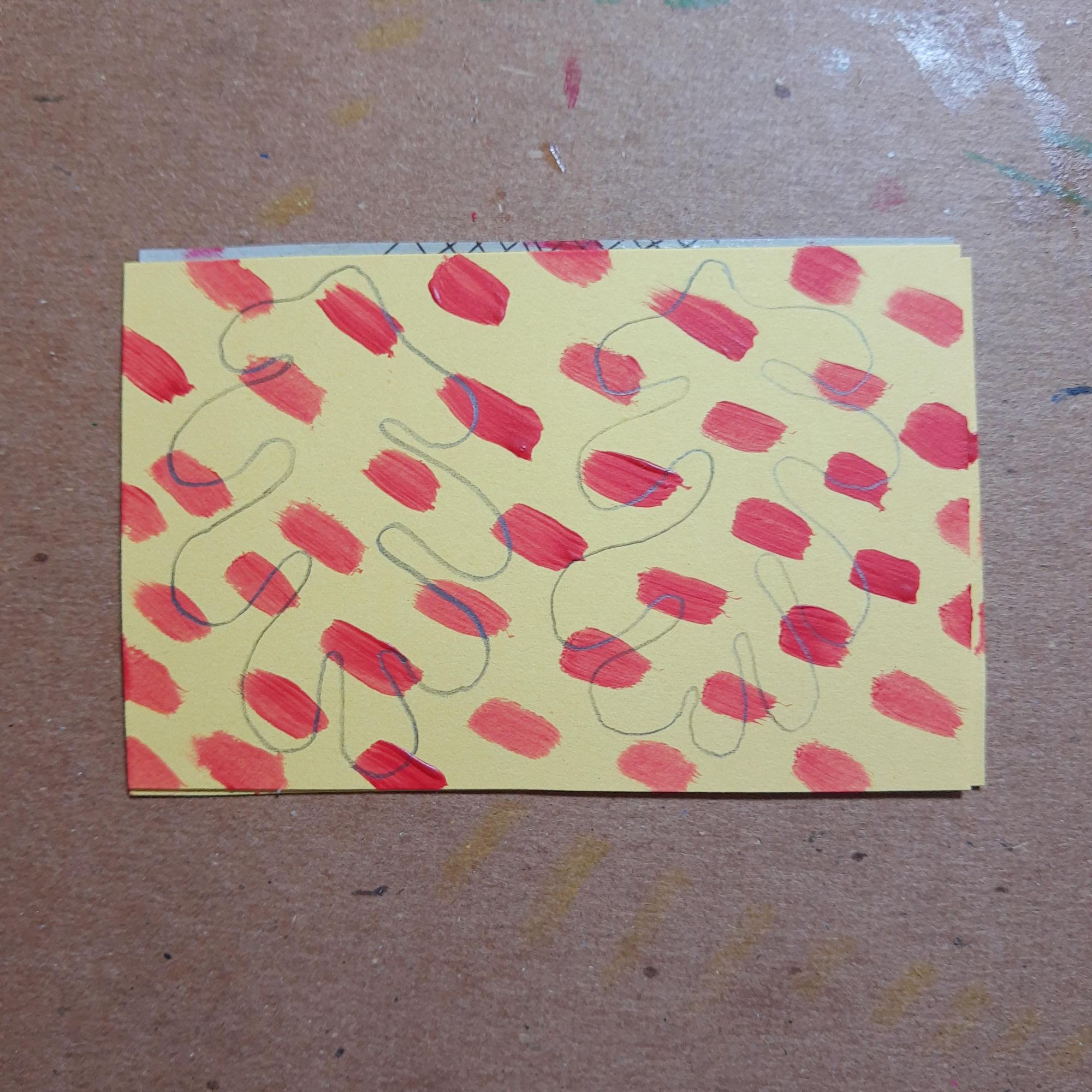
  4. For the butterfly earring, I followed the same steps, yet I went in with different shapes and colors. In the second to last picture below, you can see how I sketched out my butterfly shape and used that as a base for the collage.
  5. Next, I added in the details. I added a small piece of wire for the butterfly antennae, and then I made a flower and an apple with a hole in it for the top part of the earrings.
  6. The final part was poking holes into each paper piece to attach jump rings and earrings to all the pieces.
And ta da!!! Here are my final Eric Carle inspired earrings:

I LOVE how they turned out 🙂

Self-Portraits

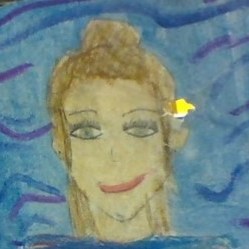
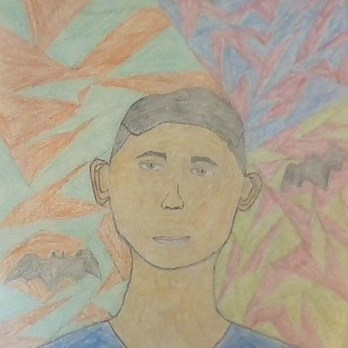
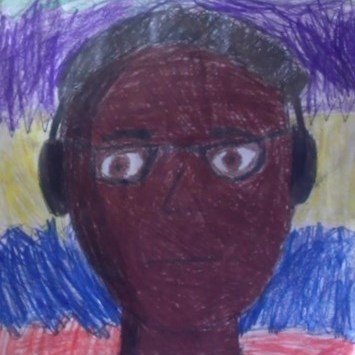
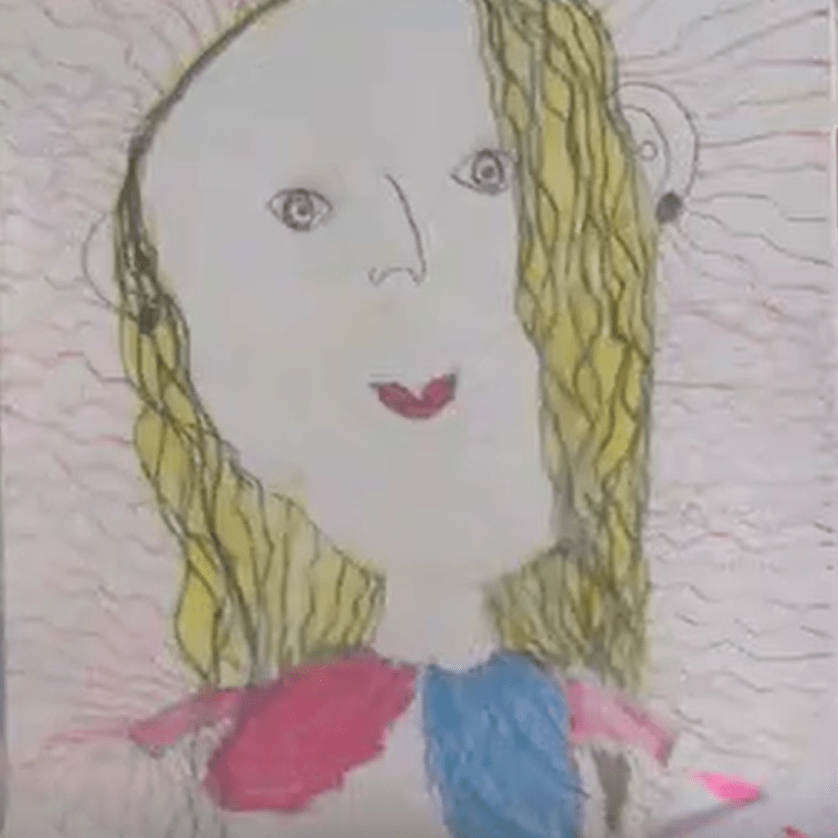
I started teaching at my current school in February 2021. Because I was a new teacher starting mid-year and I wanted to get to know my students, our first project was a self-portrait lesson. We looked at Kehinde Wiley’s art and compared old, neoclassical art with Wiley’s updated versions of these artworks. We also discussed patterns, colors, and representation in art and throughout art history.

Students then created their own versions of a self-portrait with their own patterns and designs in the background.

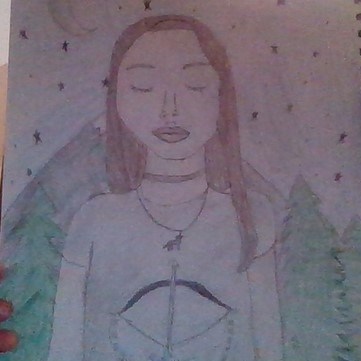
Here are some of the self-portraits made by my students:

For the future, I would also include an alternative assignment where students can create an indirect self-portrait. Students can choose an object that means something to them (for example, a toy, a book, clothing, etc.) and draw that object.

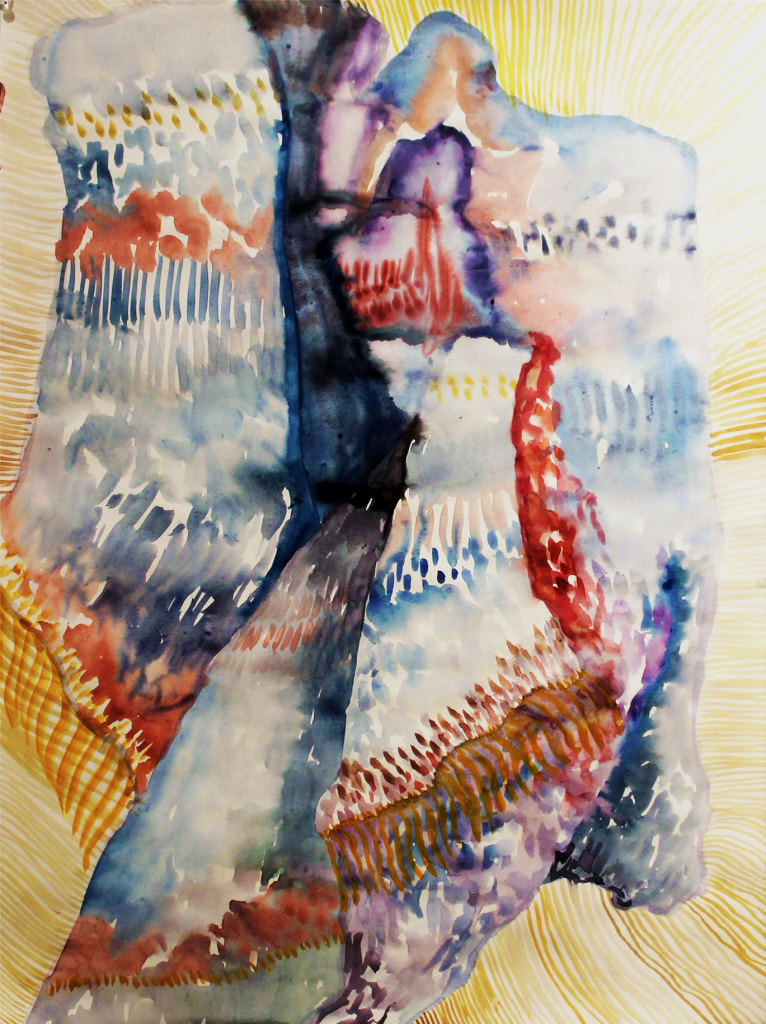
For example, I did an indirect self-portrait in college of a scarf because I am known for always wearing scarves:

Paper Weaving

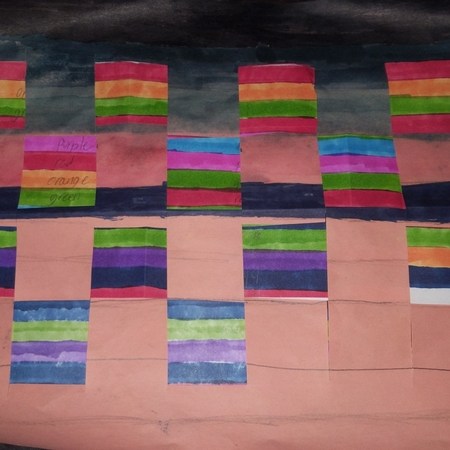
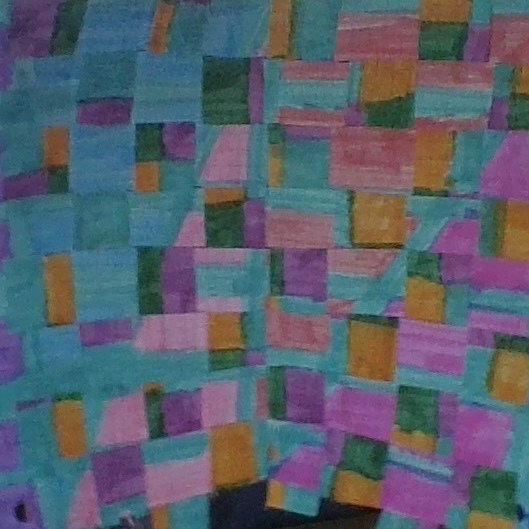
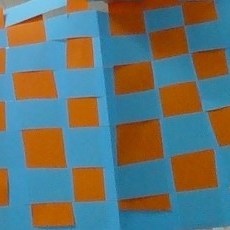
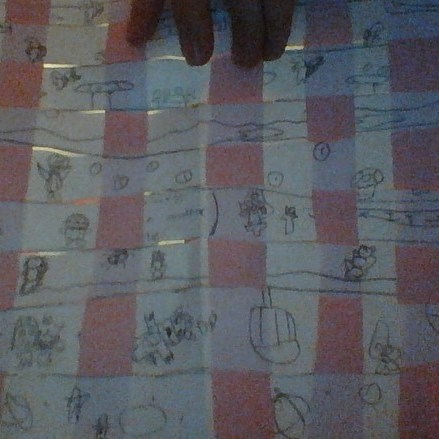
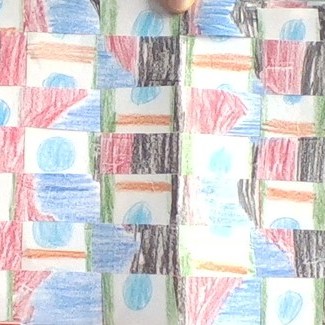
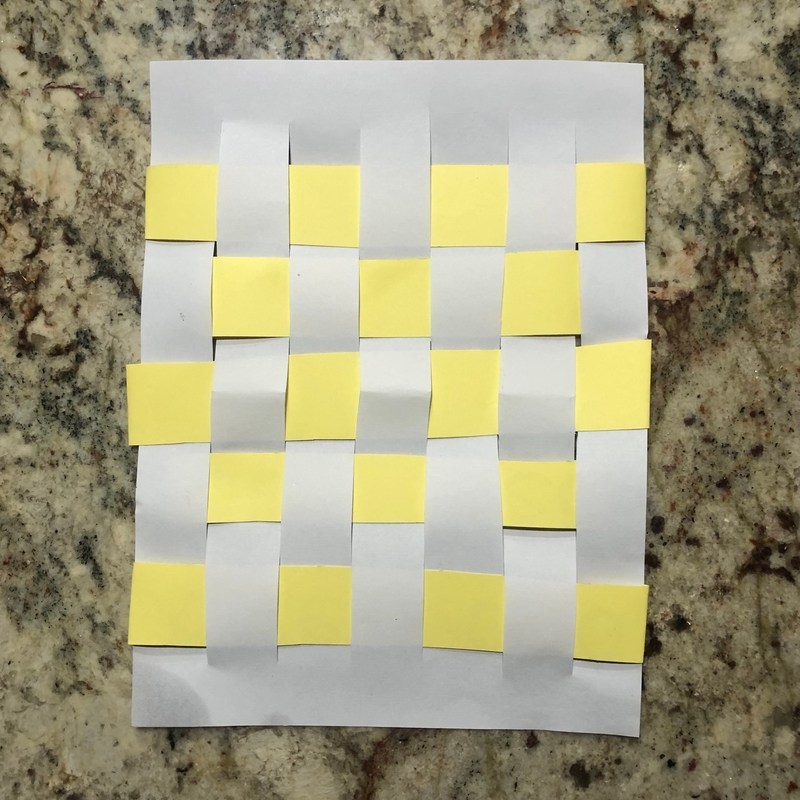
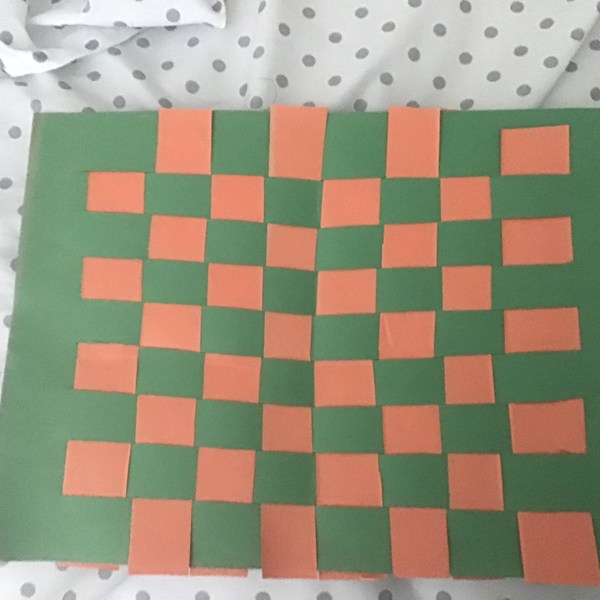
A few weeks ago, I taught a lesson on paper weaving to lower and upper elementary. We looked at textiles from the Shipibo Conibo tribe and discussed how different textiles are created. Then, we looked at the weaving process and learned that to weave, we need to follow an over, under, over, under pattern. Students decorated their papers to create their own patterned textiles to prepare for weaving, then they cut out slits in one paper for the loom, and strips from the other paper for weaving strips.

I think it was a bit difficult for students to understand the weaving process virtually. I had videos, step by step photo directions, and live demos of the weaving process, but after teaching this lesson, I think weaving might be easier to see and understand in person. I would love to do another weaving lesson once I teach in person, hopefully with yarn! Regardless of the challenges that we face when doing virtual school, I think the weavings turned out amazing!

Some students lost their decorated papers, so they just used construction paper or notebook paper.

Here are some of my students’ finished weavings:

Lower Elementary Still Life Art

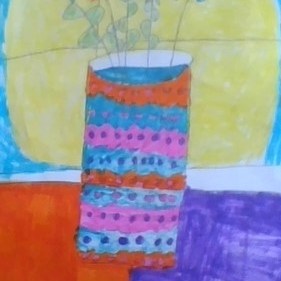
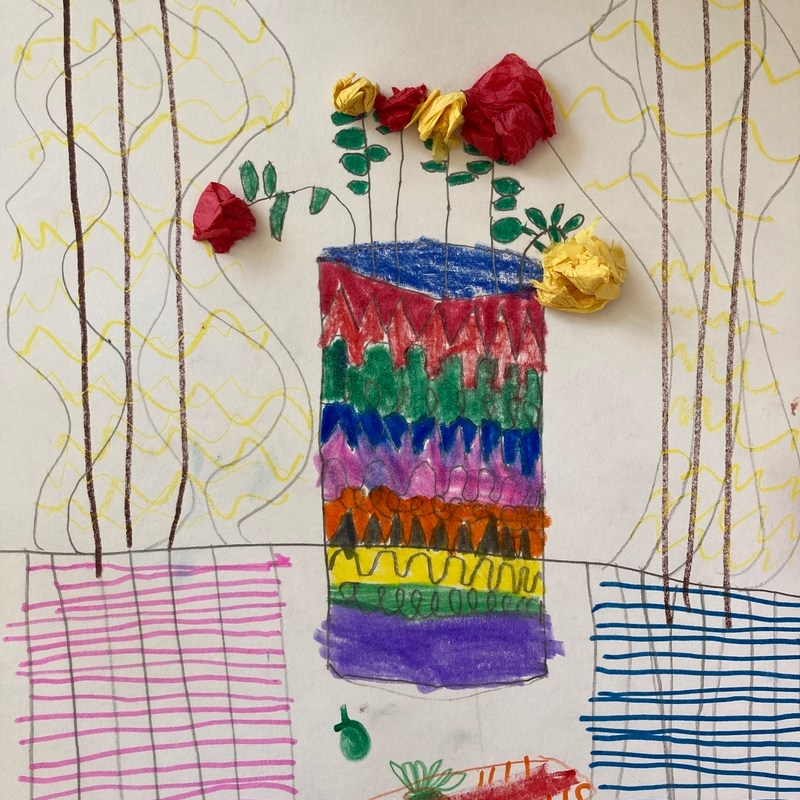
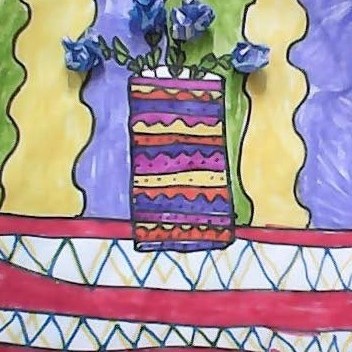
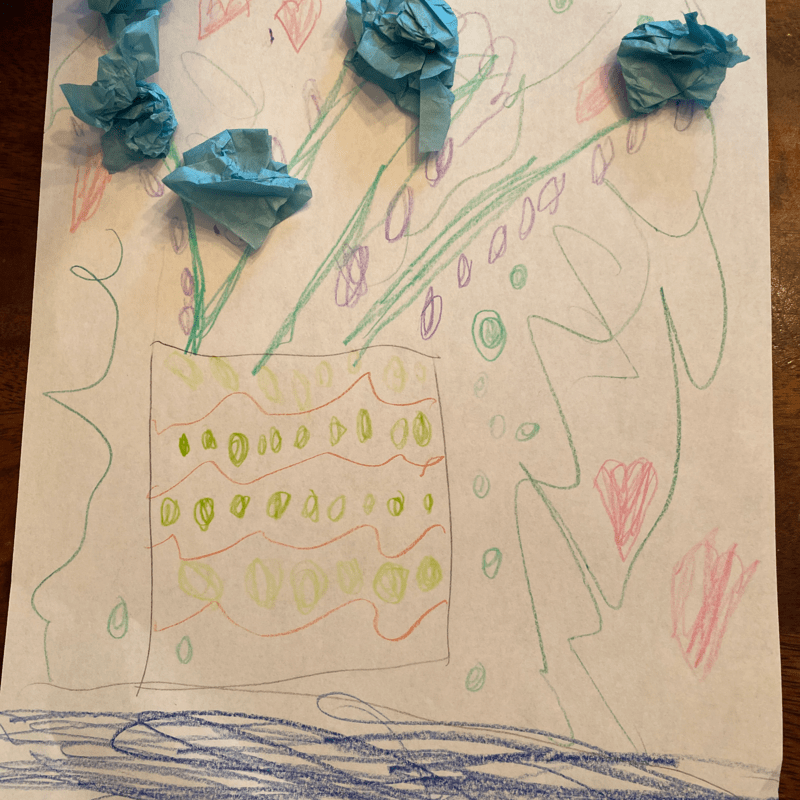
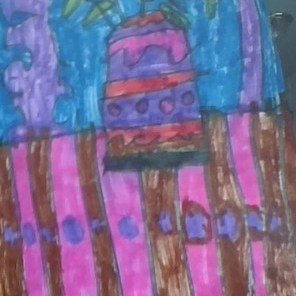
Lower elementary learned about still life art and created their own still life vase with paper crumpled flowers. Again, another lesson I wish I could do in person so we could paint and use tissue paper, but I love how they came out anyways.

Day 1

  • Warm-up – thumbs up or thumbs down – have you heard of still life art before?
  • Introduction to still life art
  • Still life freeze game – I showed students pictures of still life art/photography and some photos of animals or things that move, and students stayed frozen like a statue for still life images and moved around for non-still life images.
  • Introduction to Matisse – fauvism
  • Student independent work time

Day 2

  • Still life review
  • How to crumple paper to make flowers
  • Continue still life art
  • Gallery walk/artist statement

Student Art:

GIFs, Stop Motion, & Appropriation

A few weeks ago, I taught a multi-day lesson on GIFs, stop motion, and appropriation to my middle school students.

We began by going over the history of the GIF and its invention in 1987 (everyone was quite shocked how long ago GIFs were invented). Then, we discussed appropriation in art and I had students share their thoughts on whether or not they believed appropriation in art is okay. We looked at Richard Prince’s Cowboy (a cropped, re-photographed version of a cigarette ad) and questioned at what level is art appropriation vs. inspiration vs. plagiarism. I also showed students some of Richard Prince’s artwork from his Instagram series, in which he printed out and scaled up random photos from Instagram, presented them in a show, and then sold them. This also prompted a great conversation on the value of art and whether or not it should be valued as it is.

Then we shifted the conversation from appropriation by famous artists (like Richard Prince), to appropriation in mainstream, pop-culture images produced by the general public (memes, GIFs, etc.). Are memes/GIFs on the internet okay to create if it’s not your own source material? We also discussed fair use images and videos vs. copyrighted ones.

After discussing appropriation, we briefly went over the stop motion process and how it’s used to create animation.

For this assignment, students had the choice of either appropriating images/videos to create a GIF, or to digitally or traditional draw out frame by frame a short, stop motion GIF. Most students used the following GIF makers (below) and either drew out each frame by hand and took photos to input into the GIF maker, or they drew out each frame digitally within Pixilart.

GIF Makers:

  1. https://gifmaker.me/
  2. https://imgflip.com/gif-maker
  3. https://www.pixilart.com/draw

If I were to teach this lesson again, I would make sure to explain how to set up Pixilart and other GIF makers so the aspect ratios/pixels are larger so they don’t come out so pixelated.

Lesson Overview:

Objectives:

  • Respond to art made with appropriation/stop motion by participating in class discussion
  • Create a GIF using appropriated or original images/video.
  • Reflect on GIF by writing an artist statement

Day by Day Breakdown:

Day 1 – Intro to GIFs. Discuss appropriation. Discuss stop motion. Intro to assignment, brainstorm ideas.

Day 2 – Continue brainstorming ideas for GIFs. Demo how to use GIF makers. Look at examples of GIFs on the internet.

Day 3 – Draw out storyboard/plan for GIF. Begin assembling materials to create GIF.

Day 4/5 – Finish creating GIF. Write artist statement.

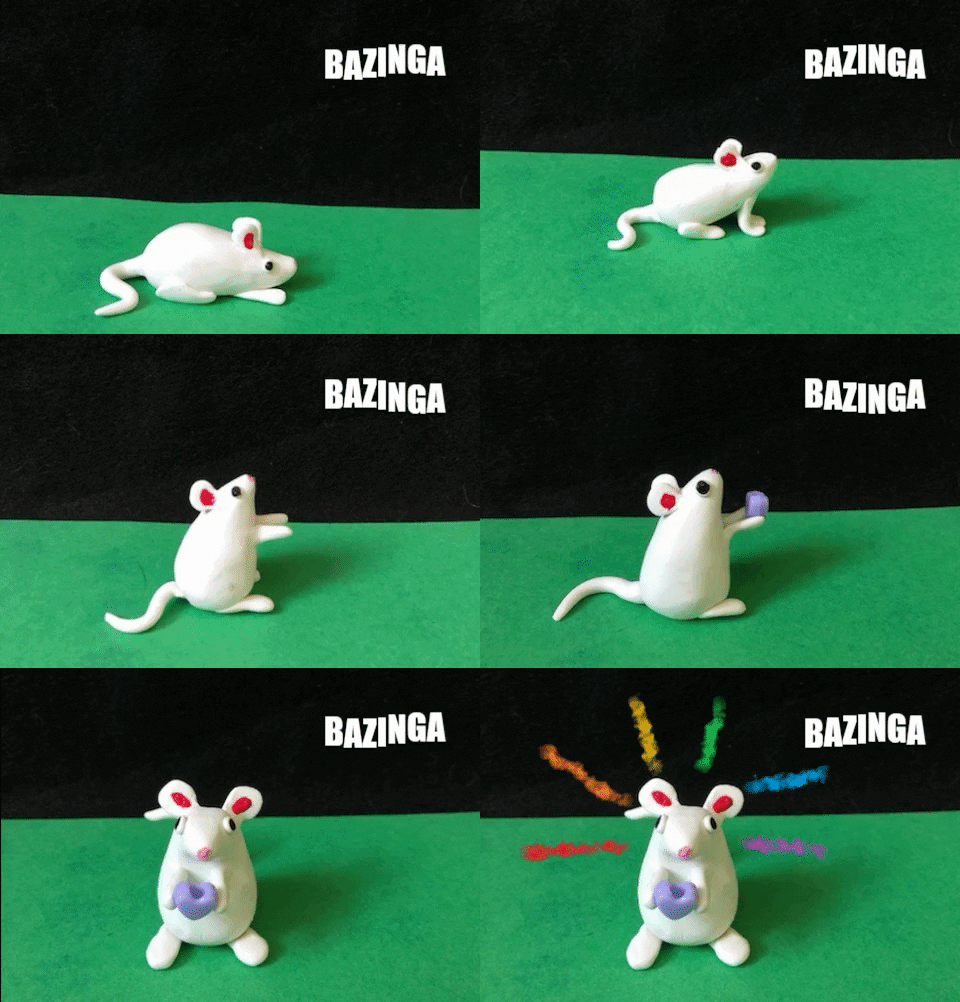
My Example GIF:

GIFs Made By My Students:

DIY Woven Tapestry Earrings

I made this pair of woven tapestry earrings using embroidery thread, yarn, pieces from a wooden skewer stick, thread, and fishhook earrings.

How I Made My Earrings:

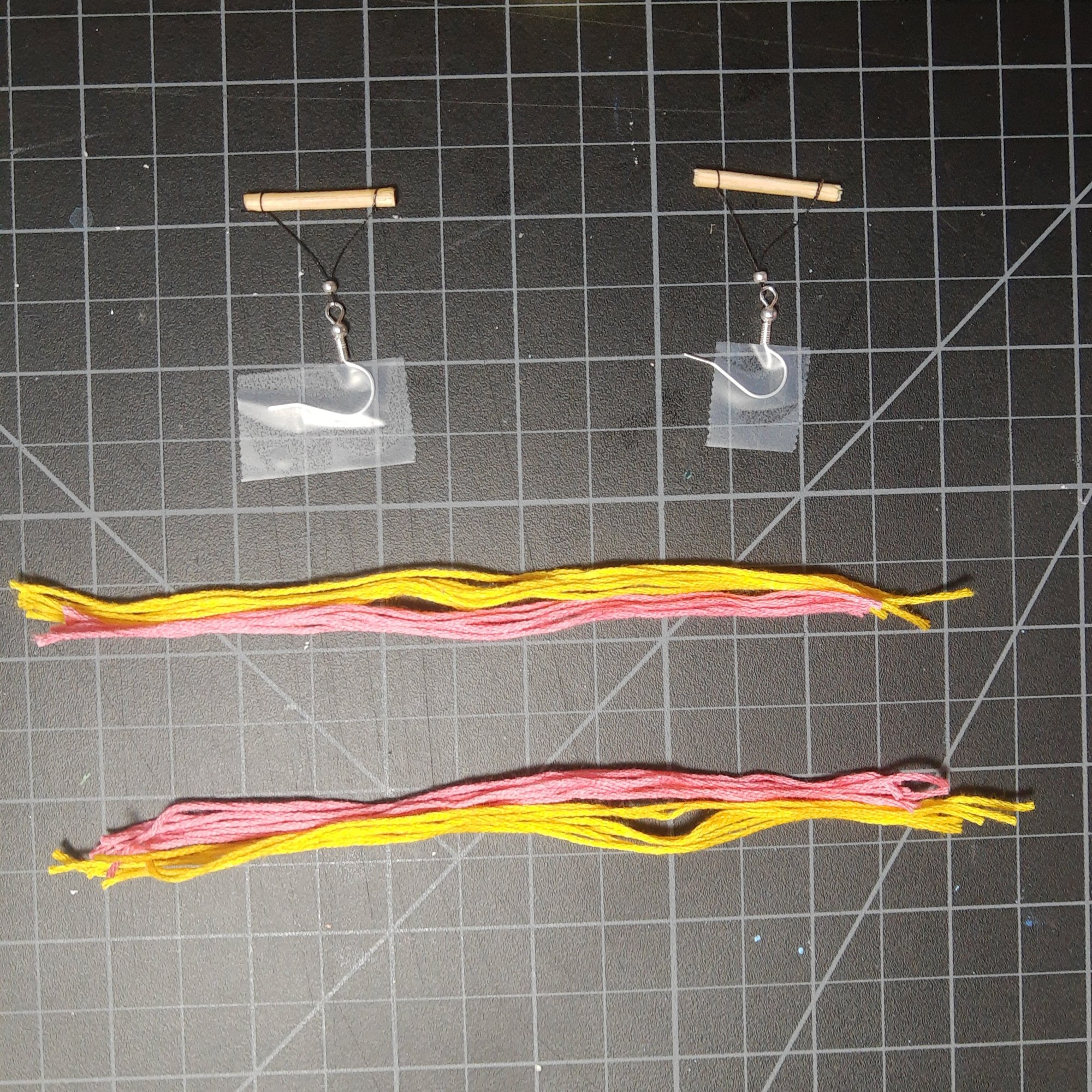
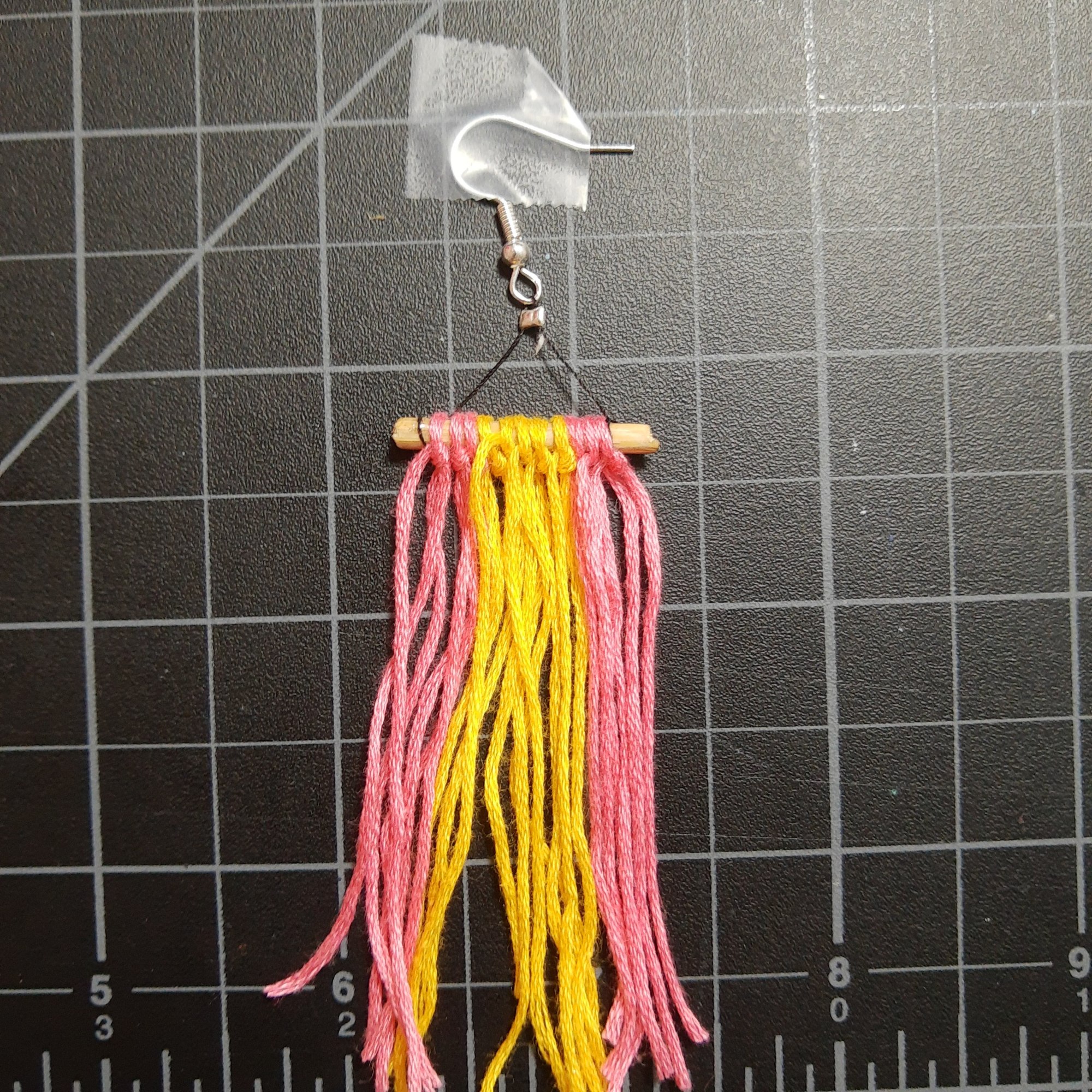
  1. First, I cut off 2 4 cm pieces from a wooden skewer stick. I tied thread onto each side of the stick. I slid a crimping bead onto the loop, and then attached the earring hooks to the thread loop. I crimped each bead in place below the hook.
  2. Then, I taped down both my earring hooks to a board and cut out 12 pieces of embroidery thread measuring about 11cm in length.
  3. I tied each thread onto the stick, knotting it once in the center, until all the threads were attached.
  4. I smoothed out the threads so they laid flat and even on the board, and then…
  5. …I taped the ends of the threads onto the board
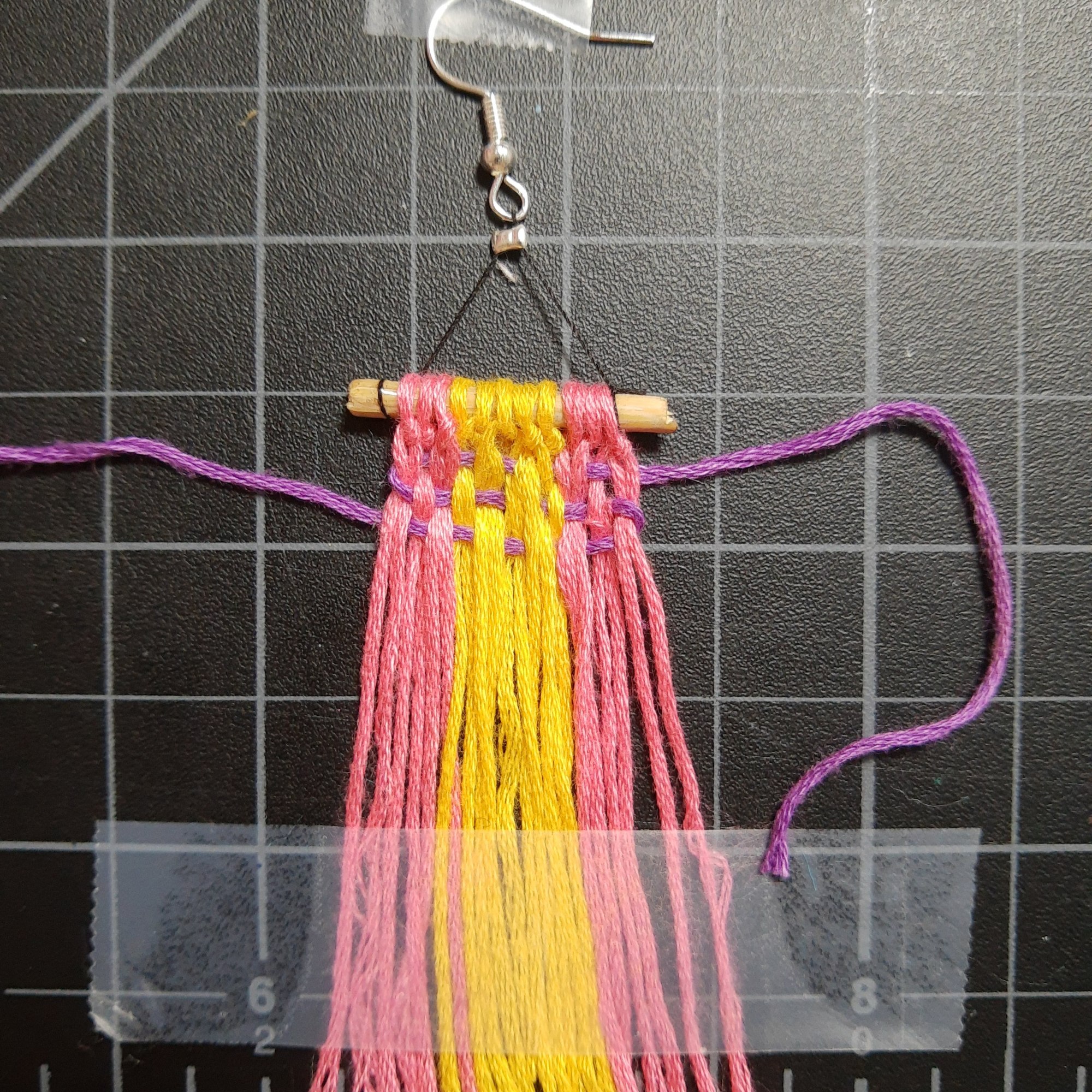
  6. Then I began weaving. I threaded a piece of embroidery thread onto an embroidery needle and went under, over, under, over, etc. until I made it to the end of the row.
  7. I wove a few more rows using the purple embroidery thread.
  8. Then I switched threads and added a chunkier yarn to give the weaving more texture and dimension
  9. When I finished weaving, I tied off the end of the yarn and trimmed the ends of the weaving so all the threads were an even length.

My Earrings:

Paper Earrings

Paper earrings! My new favorite things to make.

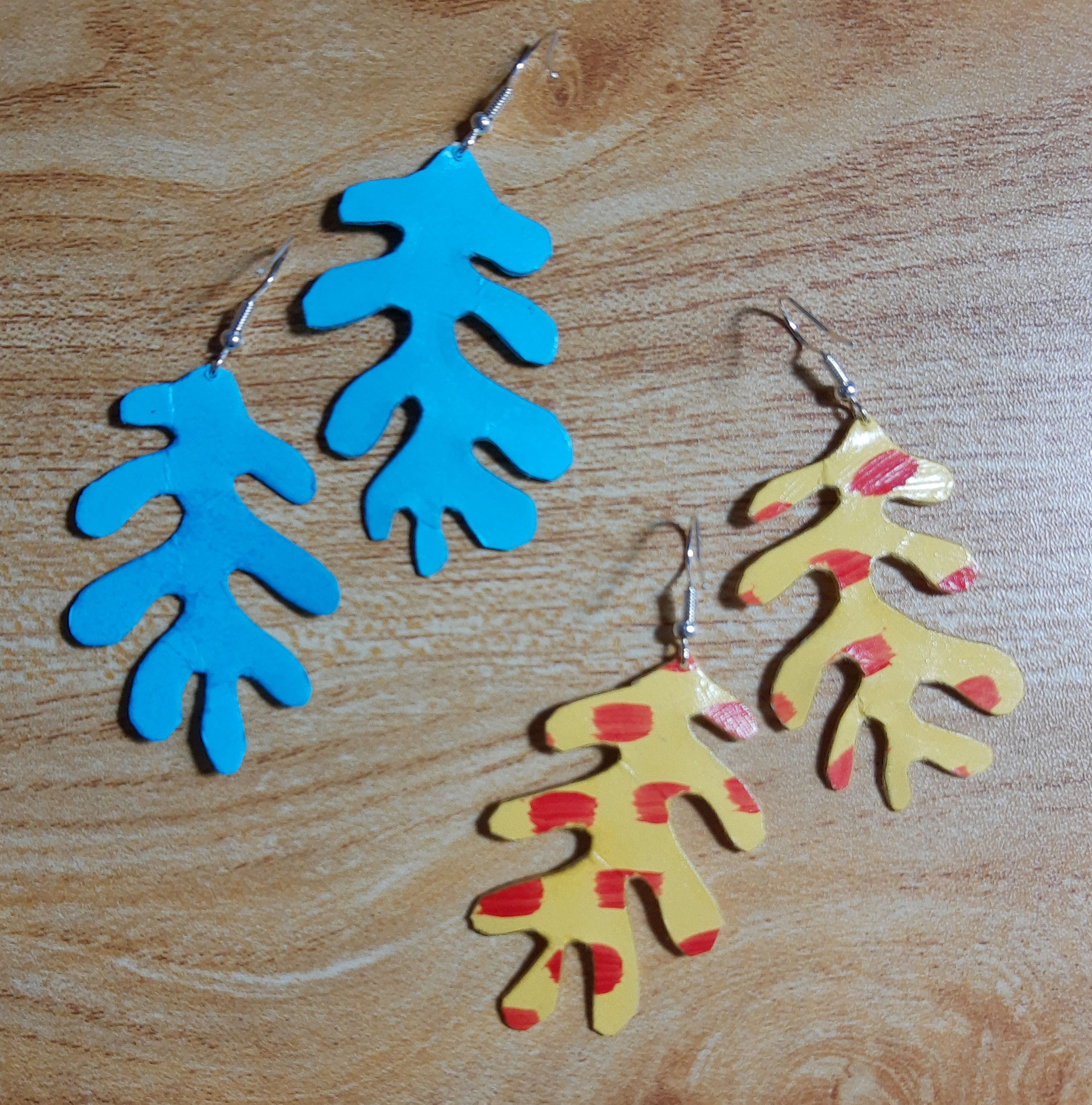
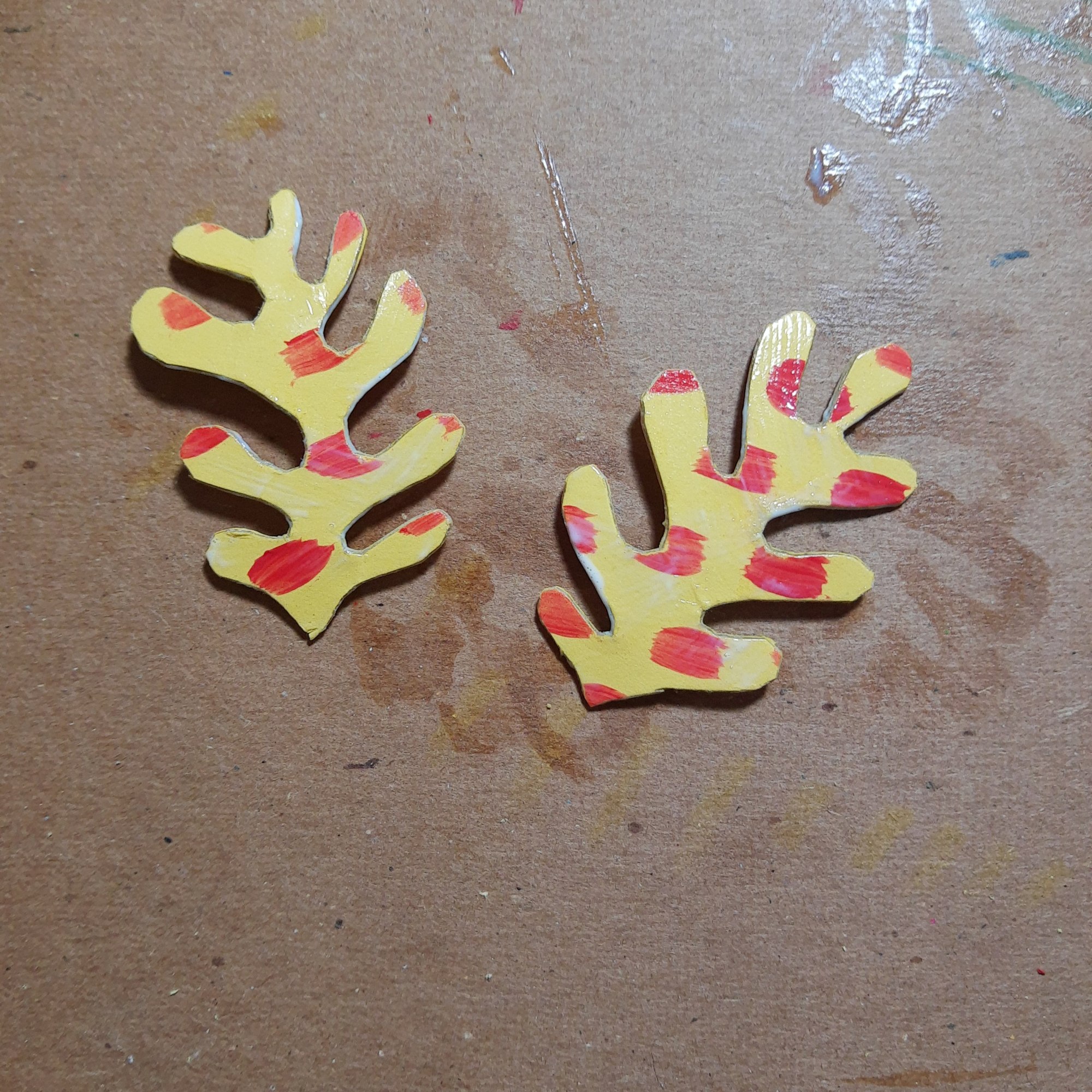
The first set of earrings I made were Matisse collage inspired earrings. I saw a lot of Matisse-inspired earrings on Pinterest and I loved the idea so I made some of my own.

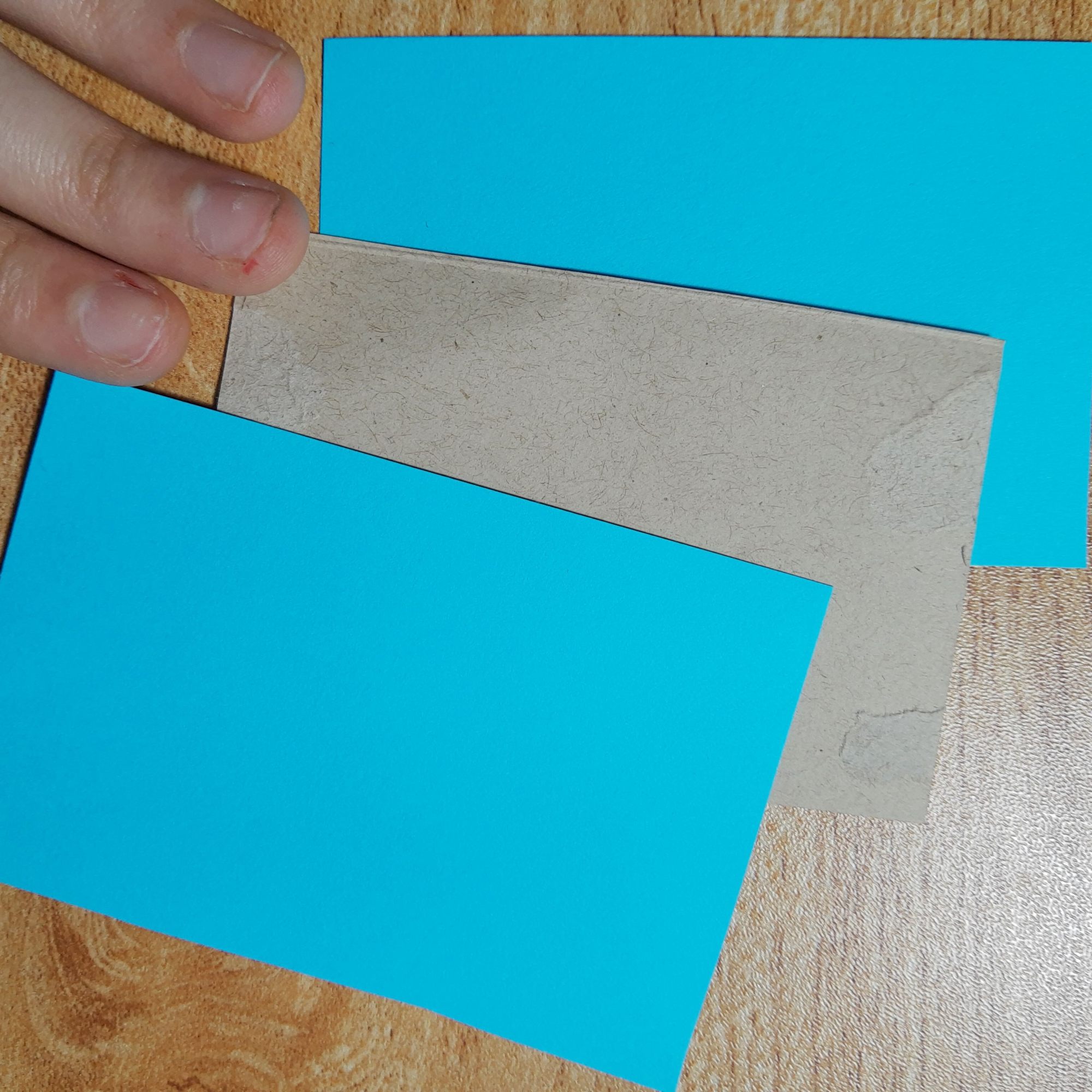
To make paper earrings, you need 3 thick, cardstock type pieces of paper, or two pieces of paper with a piece of thin cardboard in between. Using only paper works a lot better though when you cut out the earring shapes.

How I make paper earrings:

  1. Cut out 3 pieces of the same size of cardstock paper
  2. Mod podge each layer together
  3. Put the paper layers under a heavy book until dry
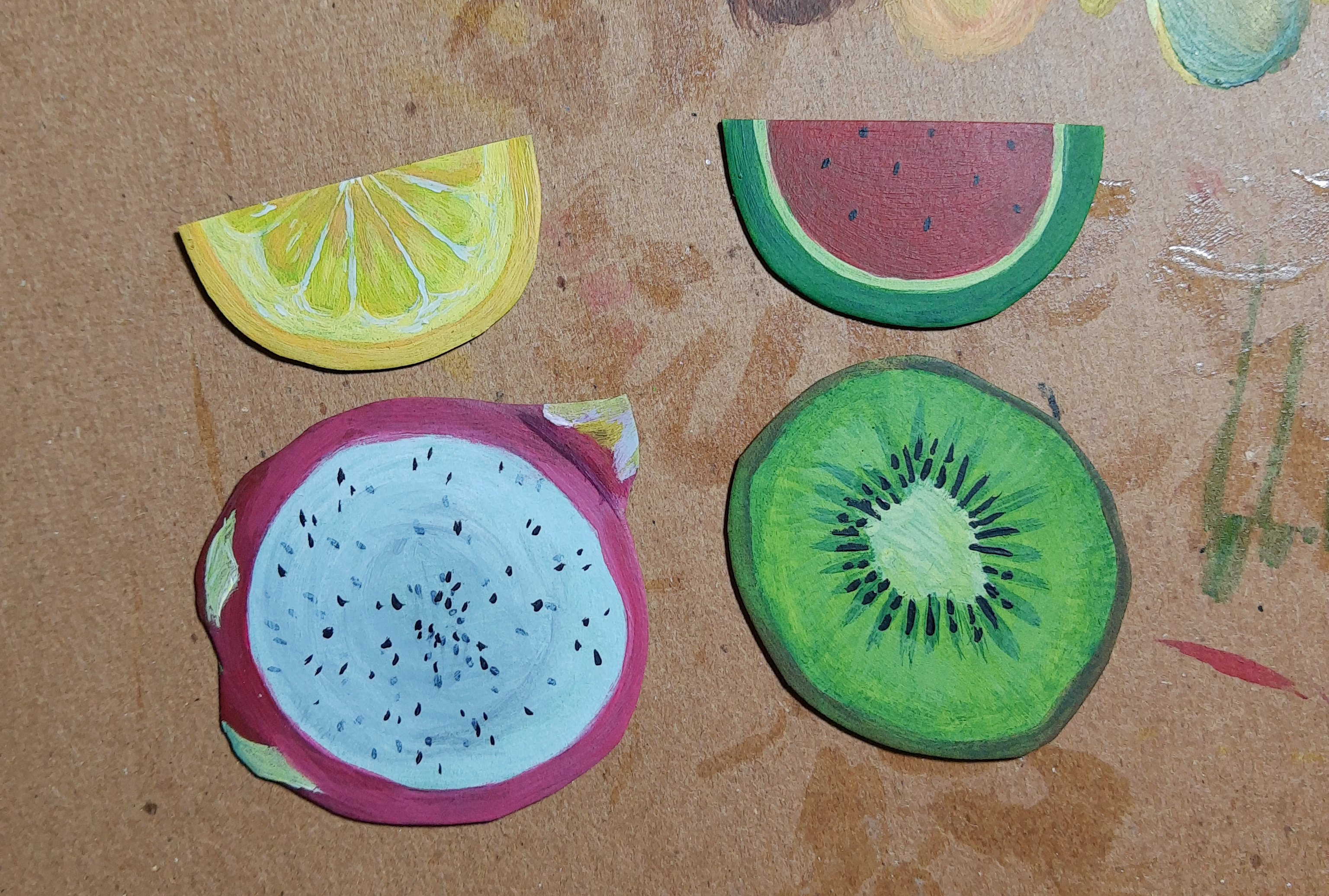
  4. Figure out what shape or painted design you want to create for your earrings. For the Matisse earrings, I painted dots on one of the papers. For my fruit earrings, I painted fruit on each side of the paper
  5. Cut out the shapes from the paper
  6. Apply a matte or gloss varnish to the paper so it is secure
  7. Poke a hole using a pin/needle in the top of the paper shape
  8. Poke through the hole with a jump ring or earring hook and fasten

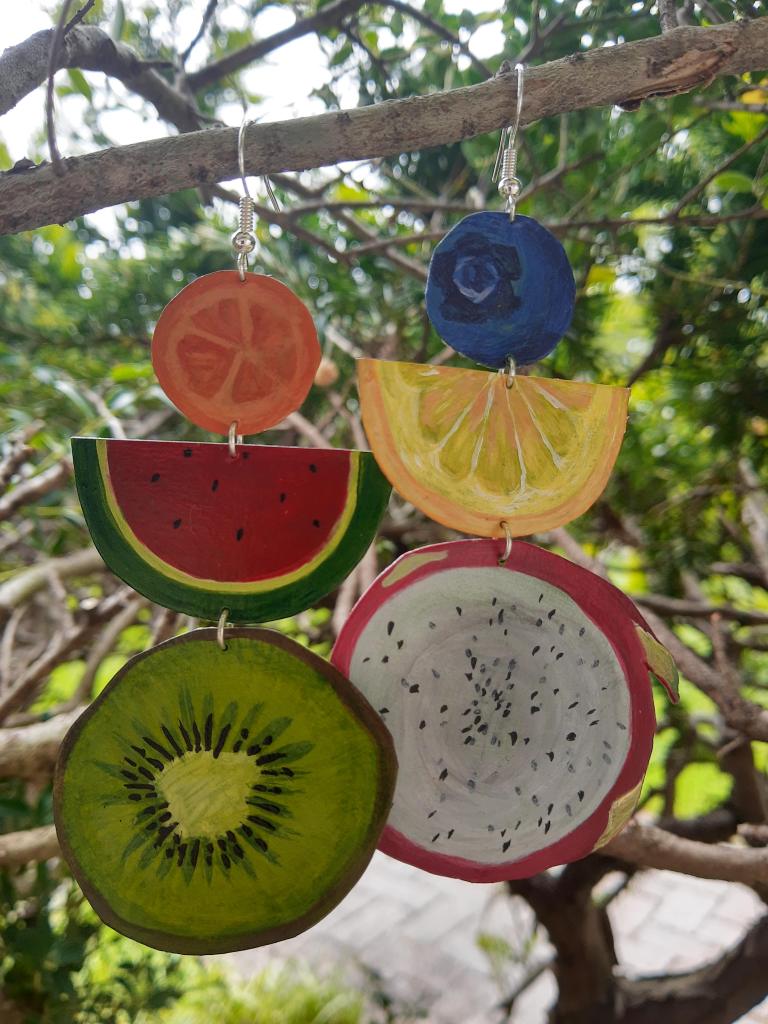
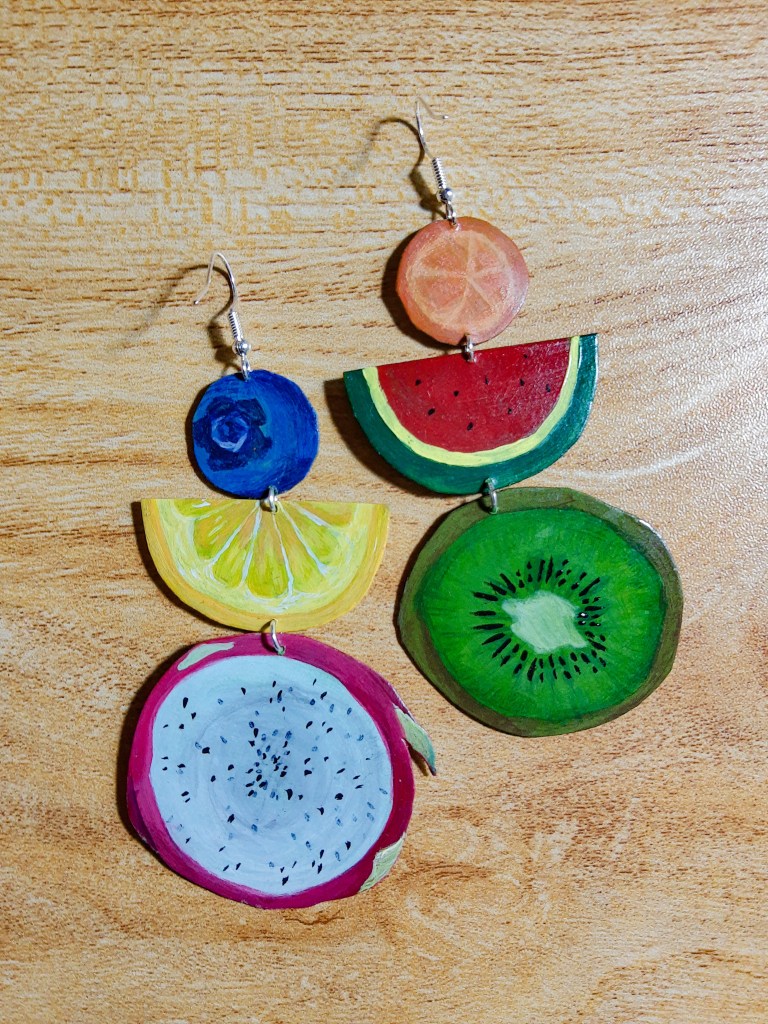
Next, I made a pair of fruity paper earrings. I followed the same steps above, but I added a lot more detail with paint. I LOVE how these turned out. I love how I can create fun and unique earrings using only paper and paint.

Unrelated – this week I’m teaching lessons on polka dots and Aboriginal art to my elementary students, and today I wore a full polka dot outfit to match my lessons and I’m very pleased. I am slowly achieving my goal of becoming Ms. Frizzle 🙂
Some of the process (I didn’t really take any other process pics, I mostly just painted fruit)

I was inspired by these earrings I saw on Pinterest: Earrings

DIY Rainbow Tassel Earrings

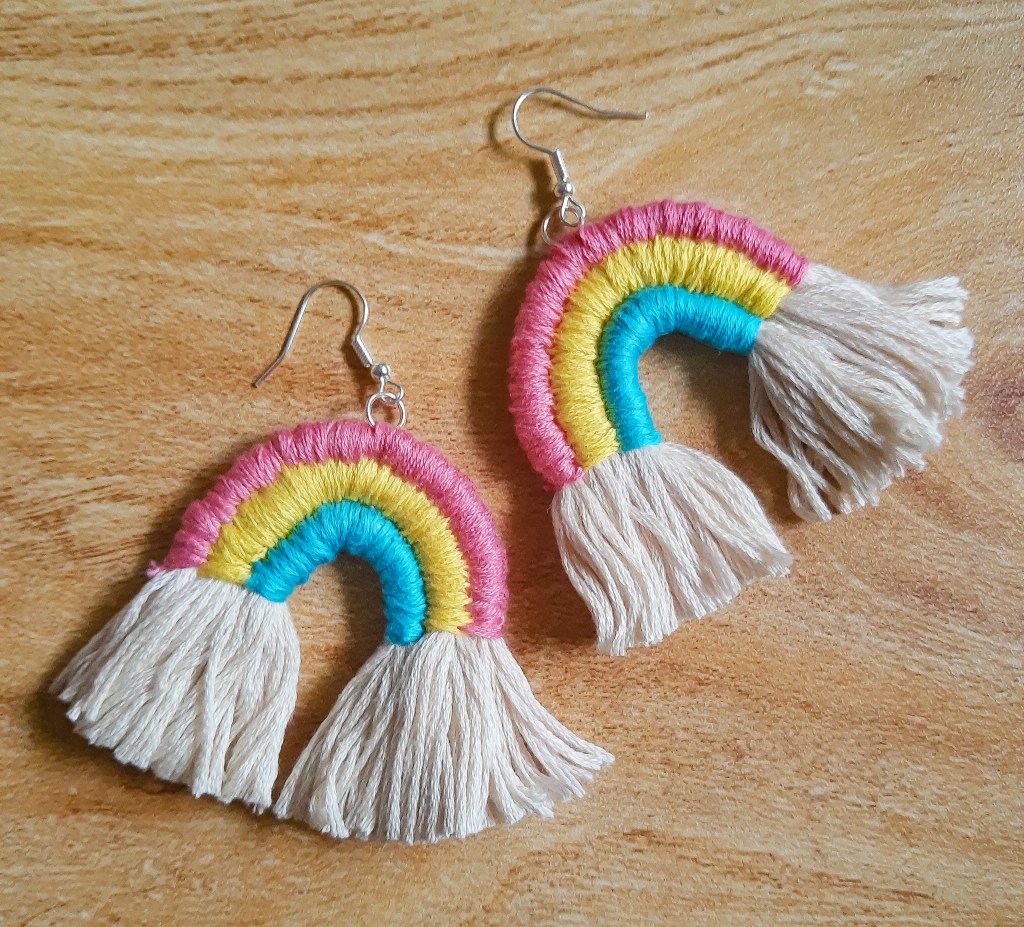
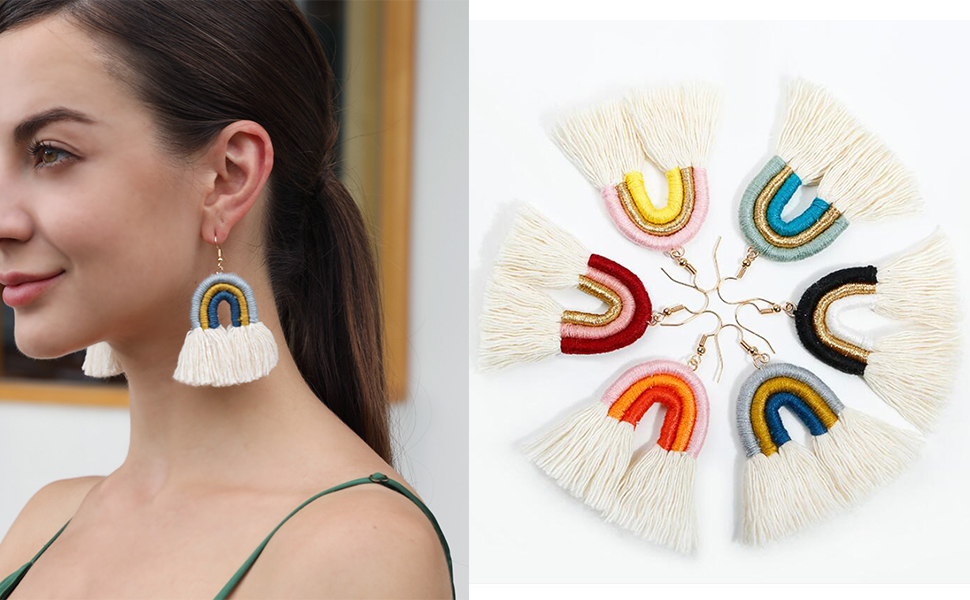
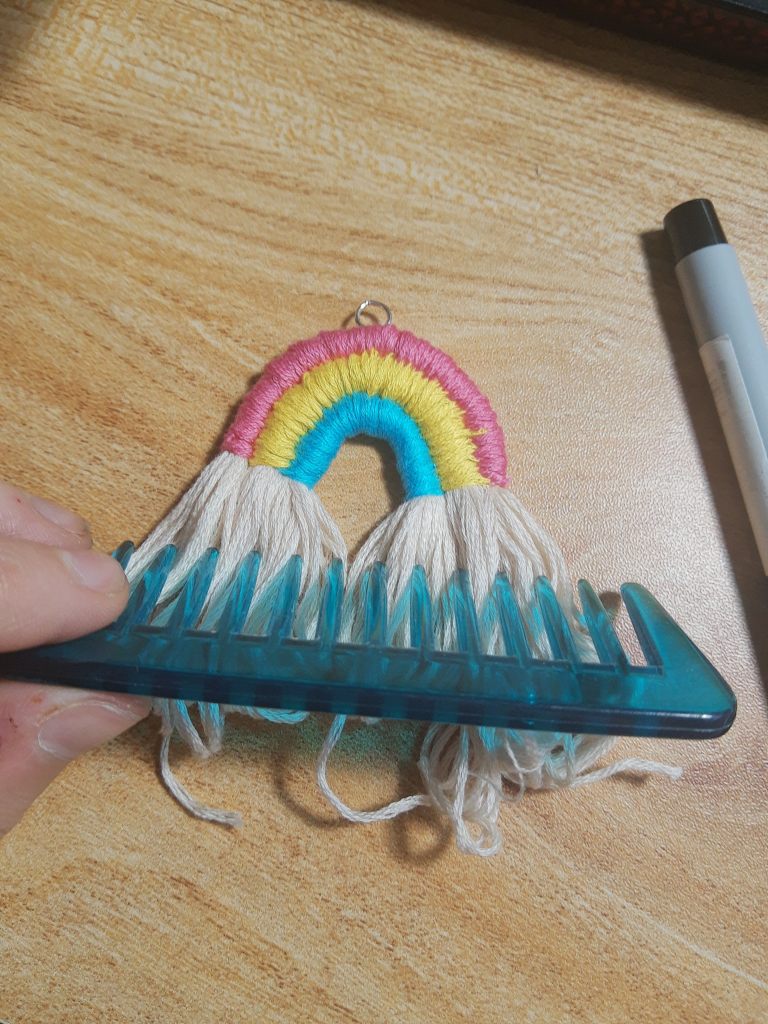
I found a pair of earrings I really liked from Amazon, so I decided to try to make them on my own, since I already had a ton of embroidery thread laying around. They are actually very simple to create.

My earrings:

The original earrings from Amazon:

How I Made My Earrings:

Materials:

  • embroidery thread (one neutral color & 3 colors for each arc of the rainbow)
  • jump rings
  • earring hooks
  • scissors
  • embroidery needle

Process:

Start with the INNER ARC:

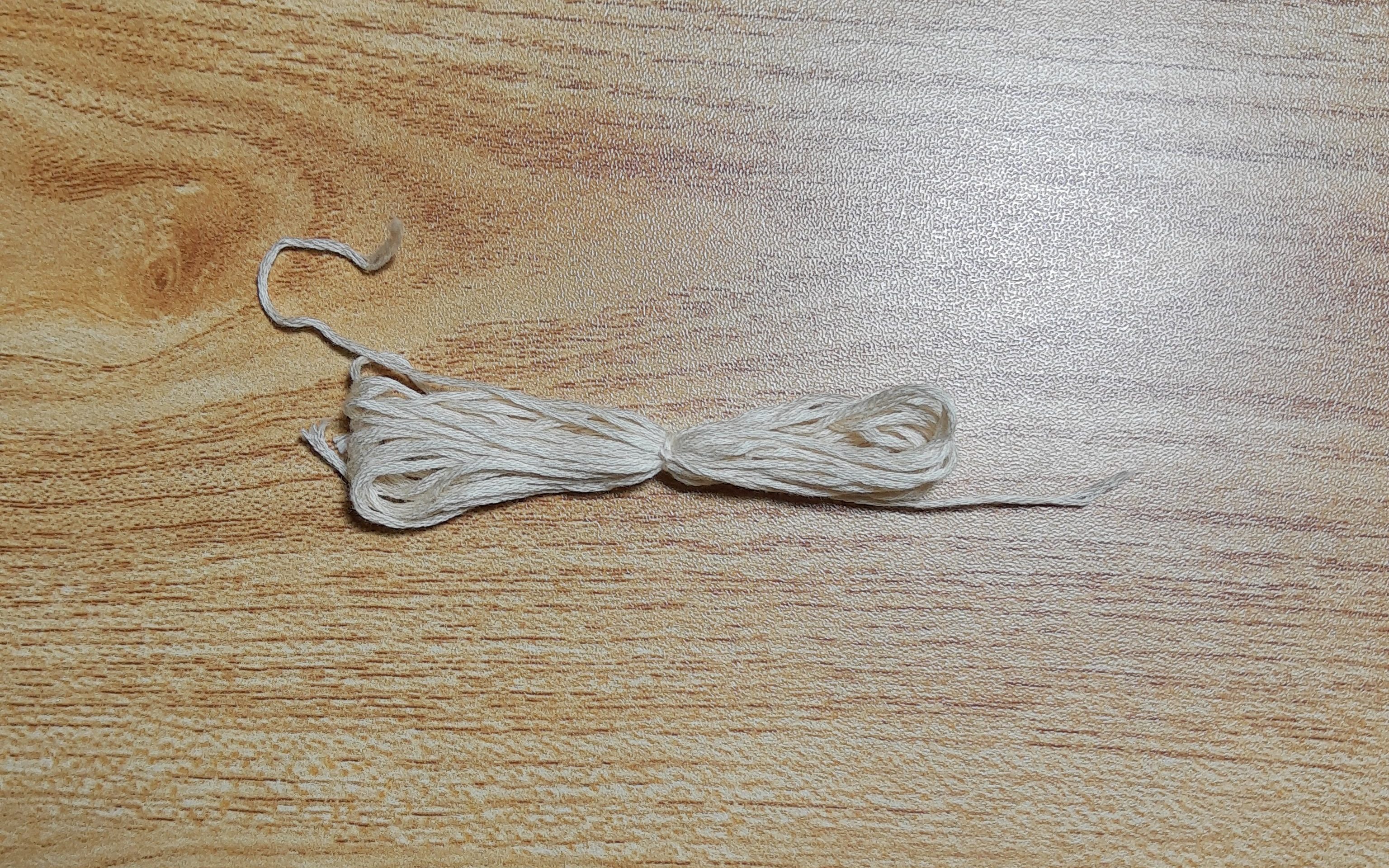
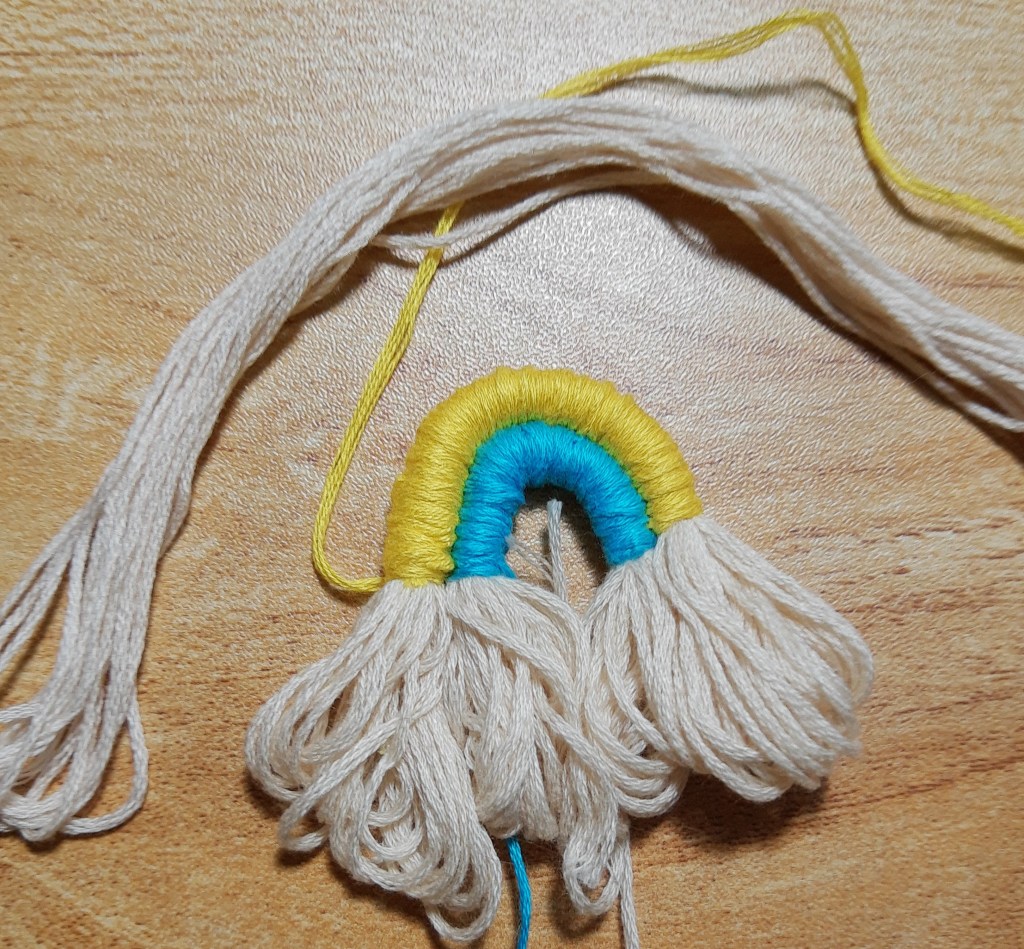
Using your neutral colored tassel embroidery thread, wrap it around your hand or a piece of cardboard. The inner arc strings should measure 10.5cm in length. Wrap around your hand/cardboard 20 times (so you have a total of 40 strings).

Tie a knot in the center of your thread bundle.

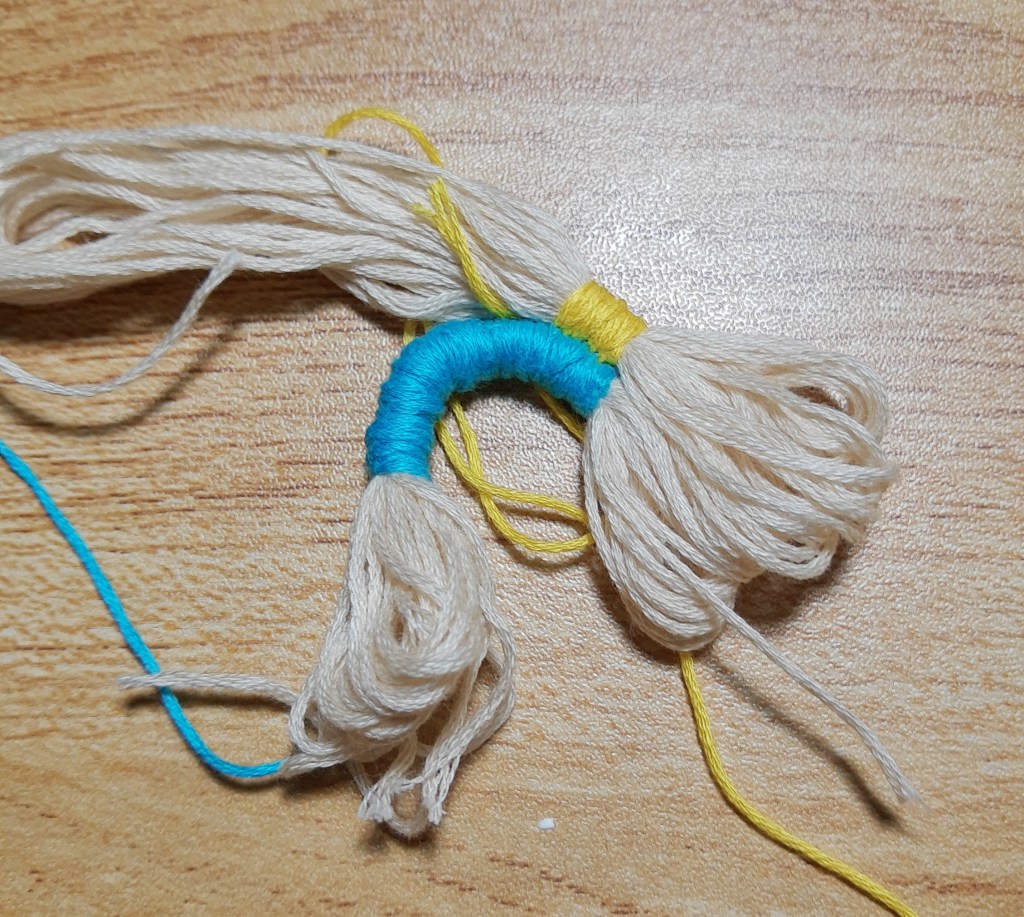
Measure 1.9cm away from the center and begin wrapping the thread. As you wrap, shape the thread so it becomes an arc shape. Wrap the thread until you have wrapped about 3.8cm of the thread. Tie off the thread at the end. Leave a long string at the end.

MIDDLE ARC:

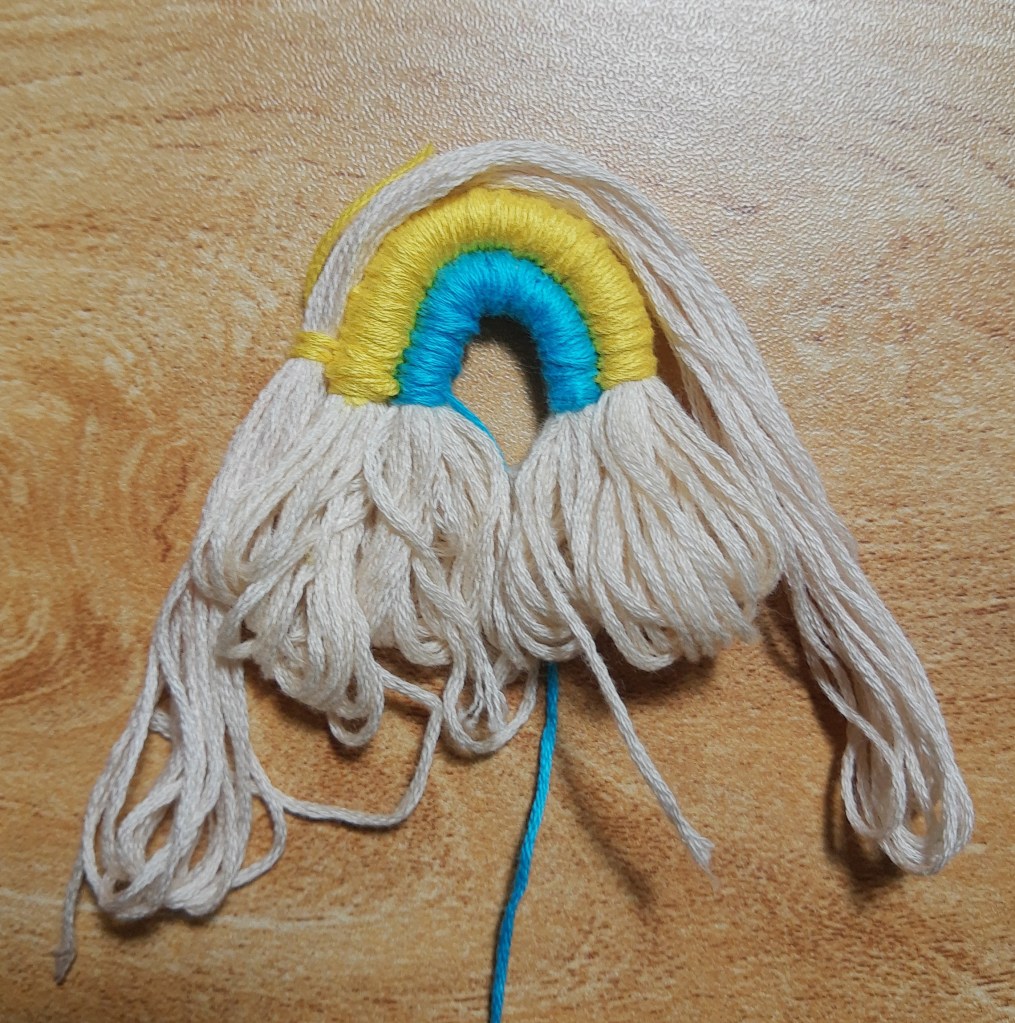
Prepare your neutral/tassel thread by wrapping it around your hand/cardboard. This thread will measure about 14cm. Wrap the thread 20 times (so you have a total of 40 strings).

Starting with the extra string from the previous row, tie a knot at the beginning of the second row.

Sew and wrap the next color around each previous row until you get to the end. Knot it off and tie to secure. Leave an extra piece of longer thread at the end to secure it to the next row.

TOP ARC:

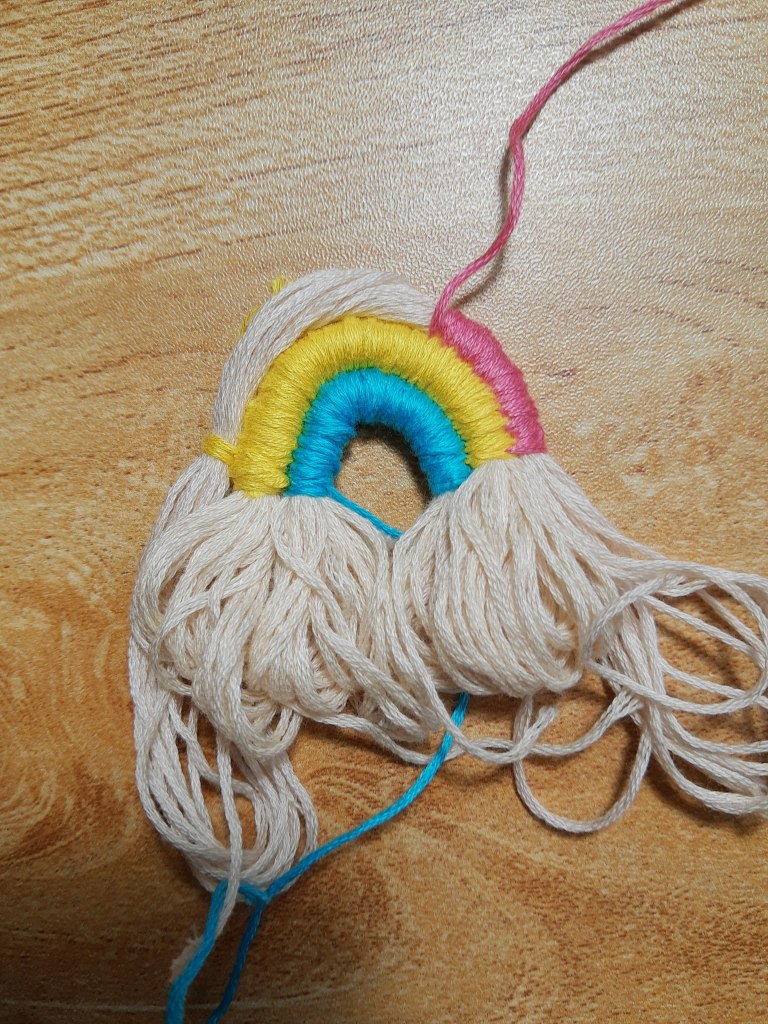
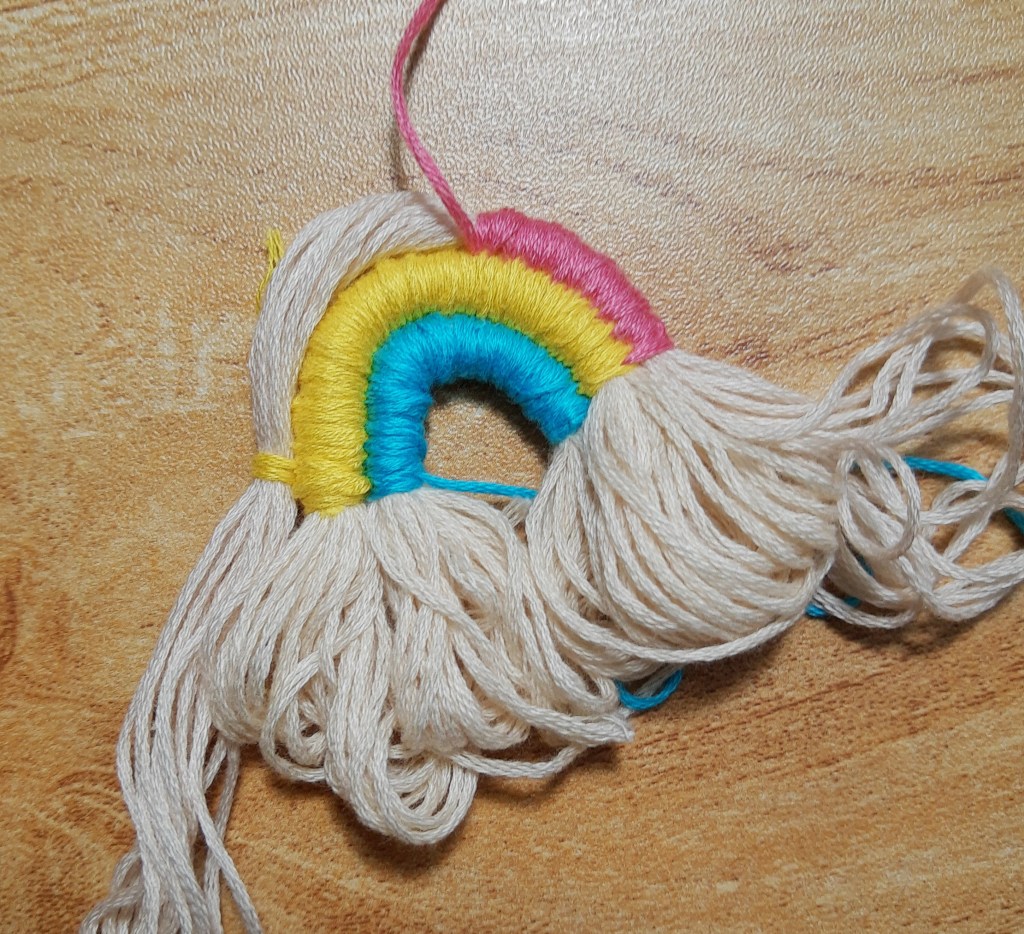
Prepare your neutral/tassel thread by wrapping it around your hand/cardboard. This thread will measure about 16cm. Wrap the thread 8 times (so you have a total of 16 strings).

Repeat the same process as the middle arc. When you get to the middle, loop on a jump ring and secure it by wrapping around a few times. Attach the earring hook to the jump ring.

TRIMMING THE TASSELS:

Cut the loops off of the tassels. Brush the tassels so they are even and neat. Trim the tassels so they are the same length.

TA DA!! The finished earrings. I am so happy with how they turned out!

Symmetrical Creatures & Asymmetrical Backgrounds

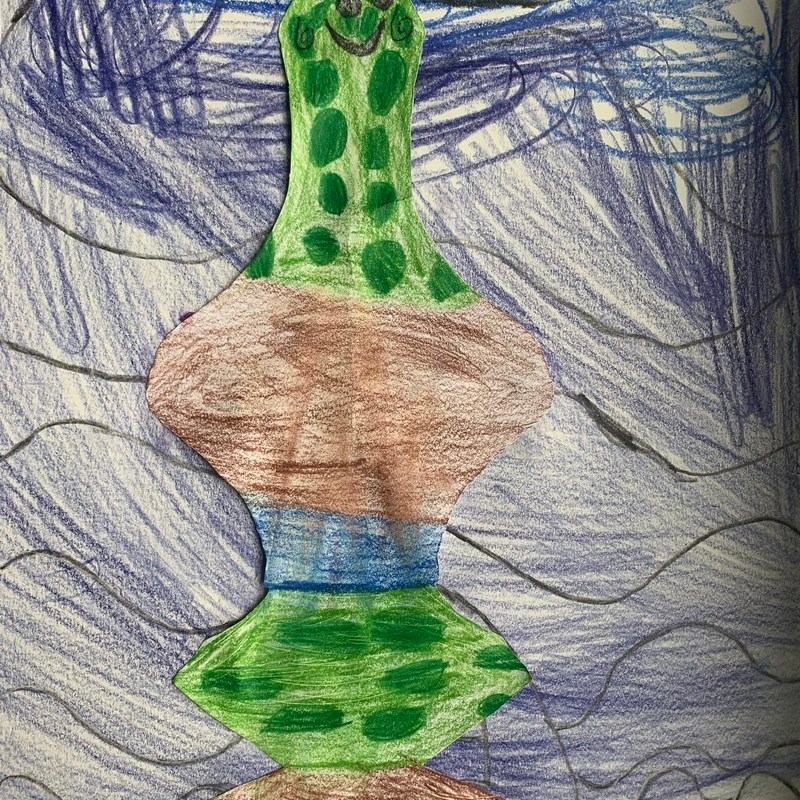
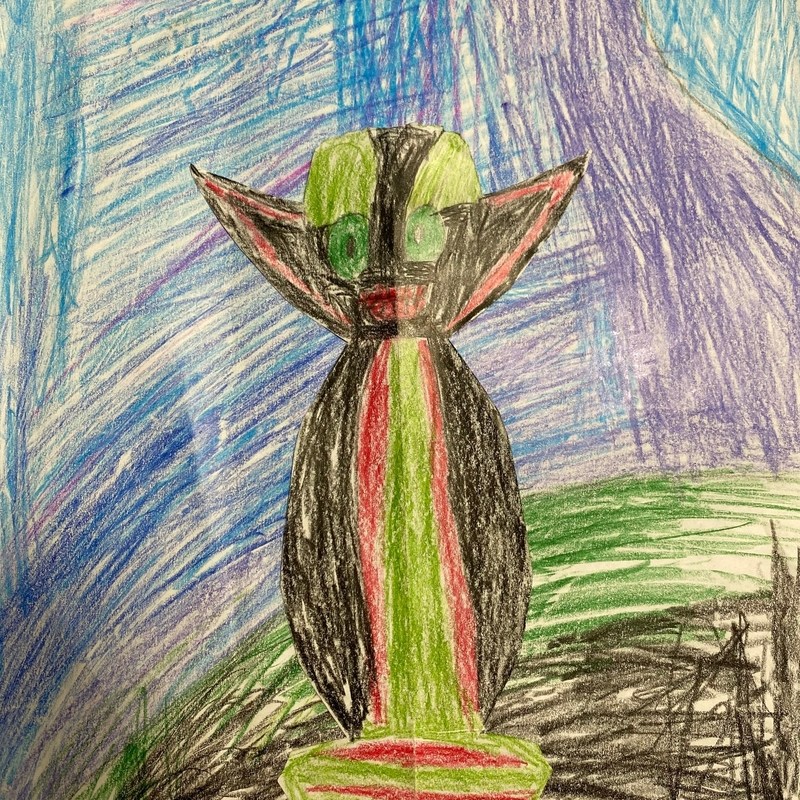
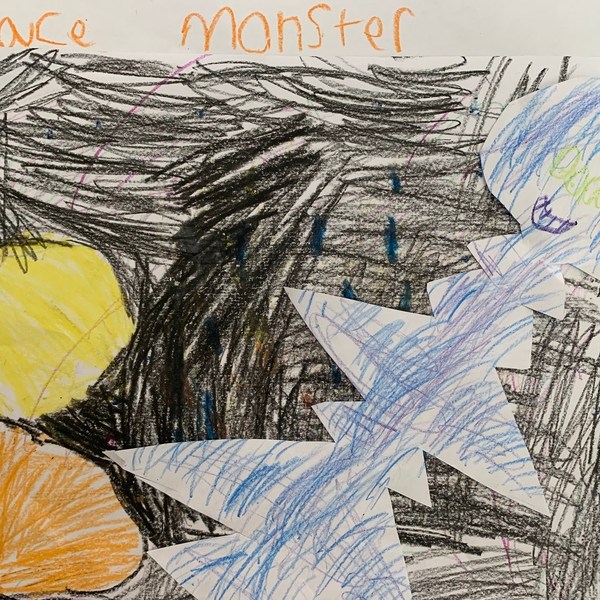
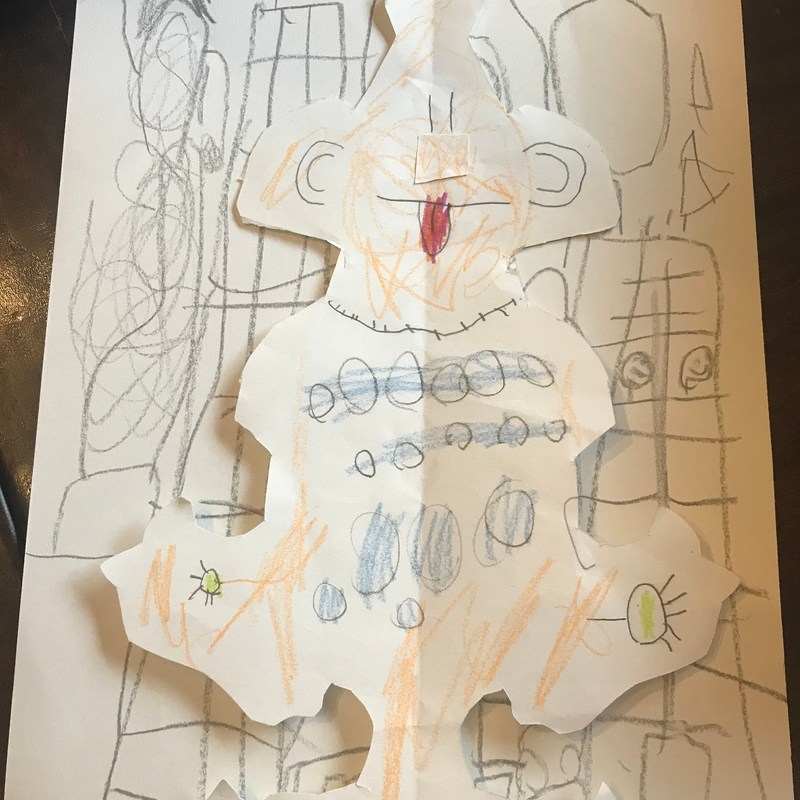
I think this has been one of my favorite lessons I’ve taught to lower elementary this year. The project is fairly simple, but students came up with so many creative ideas! I taught the lesson virtually, but for whenever in-person lessons resume, I would definitely have the students use construction paper for their creatures and paint for the background.

My teacher examples:

Objectives:

Students will be able to:

  • Identify symmetrical and asymmetrical images
  • Create a symmetrical creature using folding, drawing, and cutting
  • Create an asymmetrical home for their creature using drawing/painting
  • Write an artist statement

Day by Day Breakdown:

Day 1:

  • Introduction to symmetrical balance – stand on one leg, what happens?
  • Symmetrical identification game
  • Looking at symmetrical photos/art
  • Art demo – how to create symmetrical creature
  • What does your creature look like?
    • Does your creature have:
      • fur?
      • scales?
      • patches?
      • a tail?
      • arms/legs?
      • eyes?
      • clothes?
      • fins?
  • Student work time

Day 2:

  • Introduction to asymmetrical balance
  • Review of symmetrical balance
  • Symmetrical or asymmetrical identification game
  • Art demo – how to create asymmetrical background
  • Where does your creature live?
    • underwater?
    • the woods?
    • mountains?
    • beach?
    • house?
    • island?
  • Student work time 

Artist Statement:

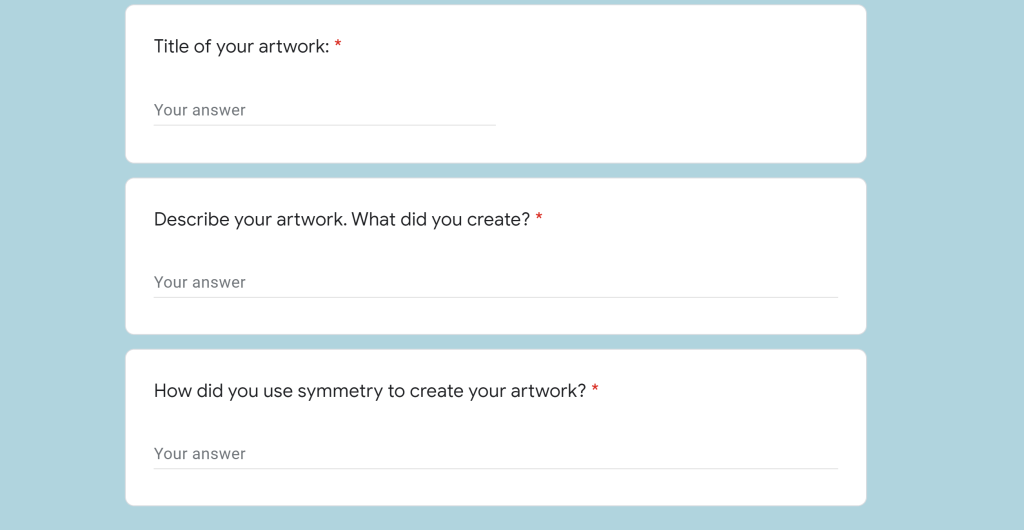
For lower elementary, I have students write a mini artist statement including the title of their artwork, describing their artwork, and explaining how they used one of the concepts in the lesson. This is my Google forms virtual version:

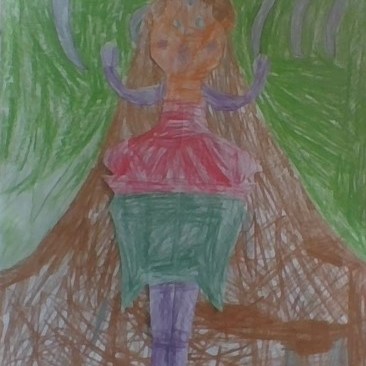
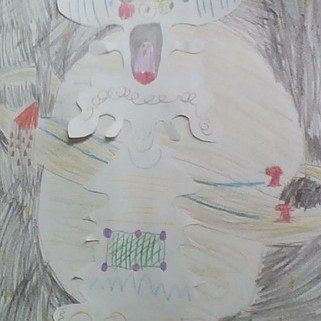
Student Artwork:

Artsy Earrings

I decided I want to be like Ms. Frizzle. I had free time this weekend and started making earrings, and then I was inspired by Ms. Frizzle (from The Magic School Bus) to make earrings that match my lessons.

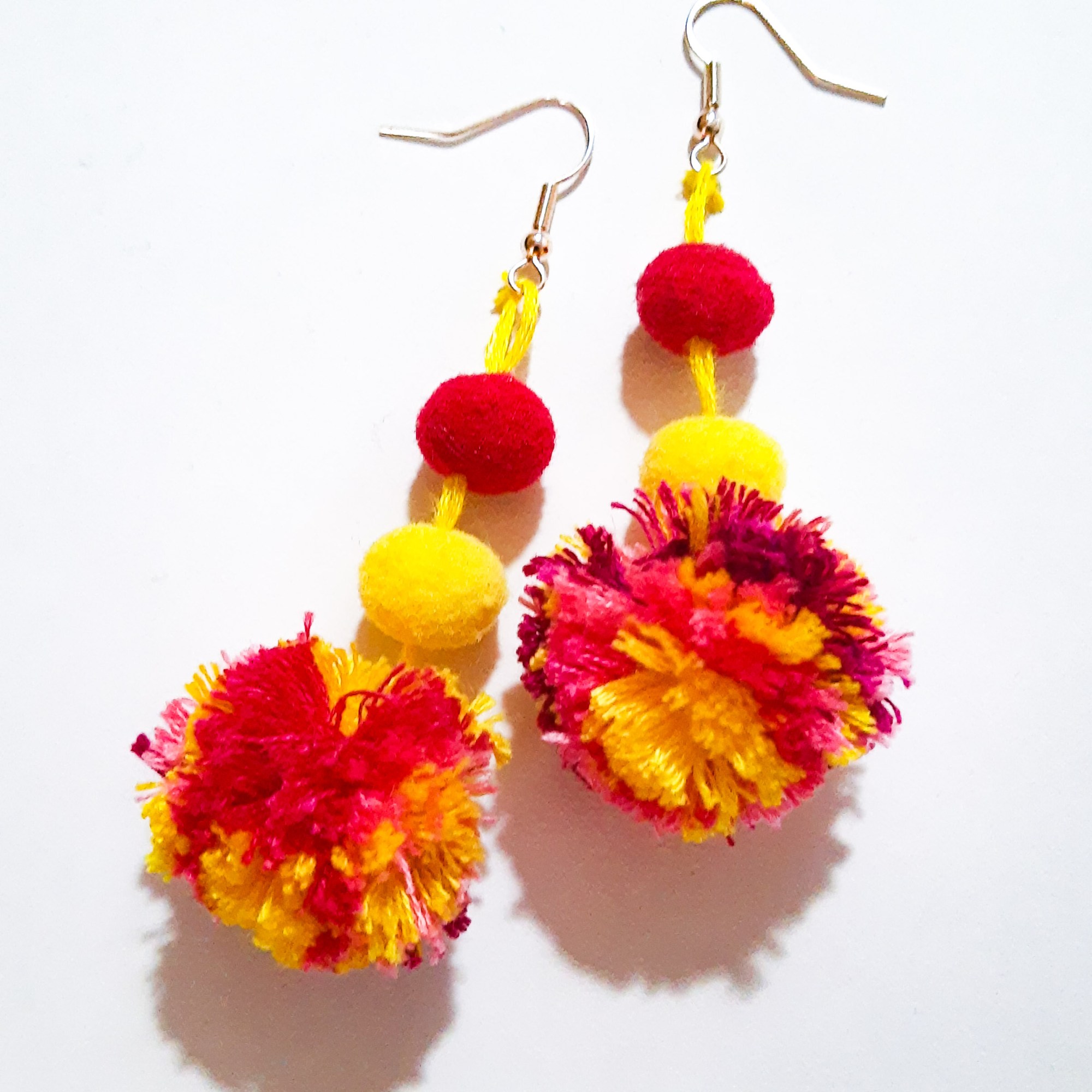
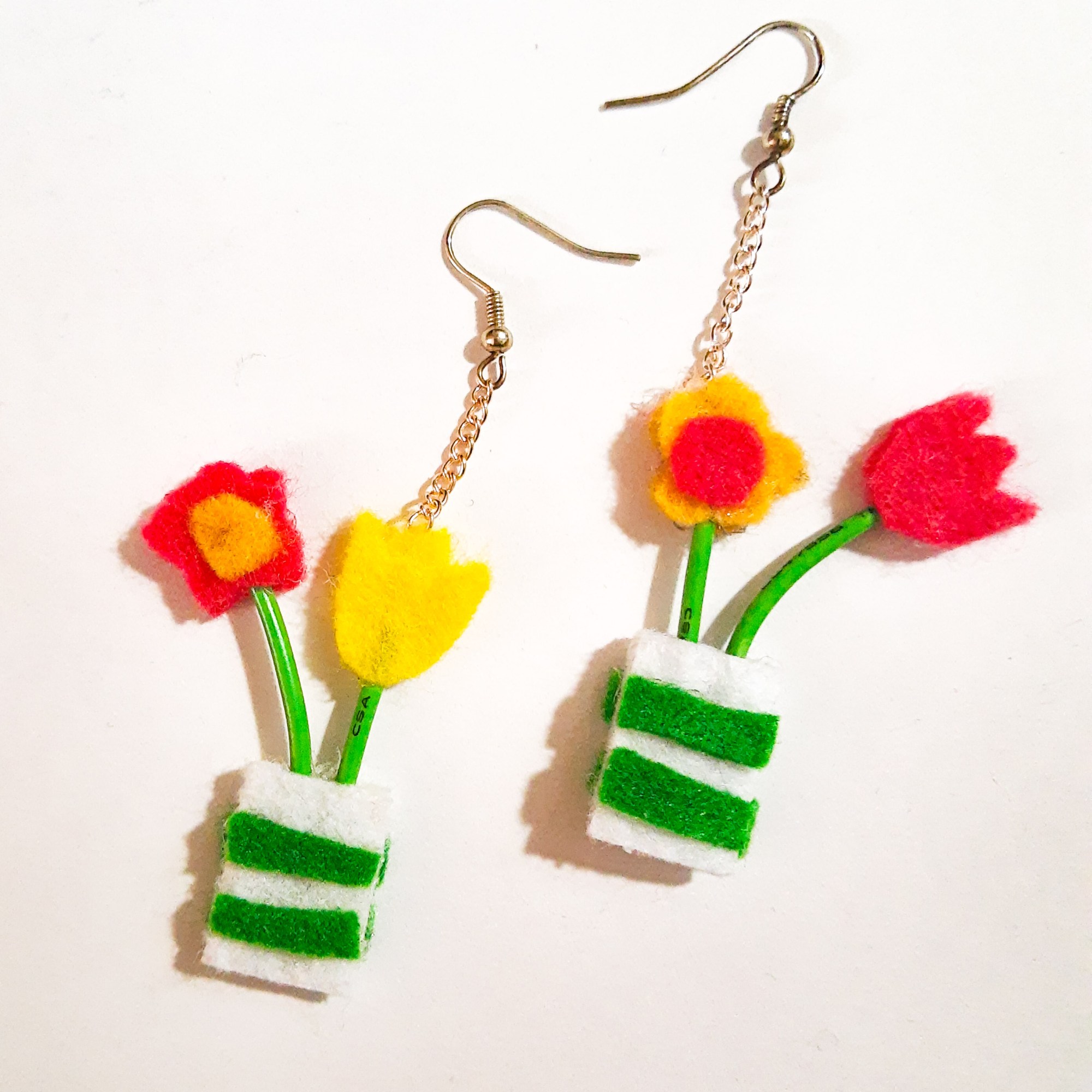
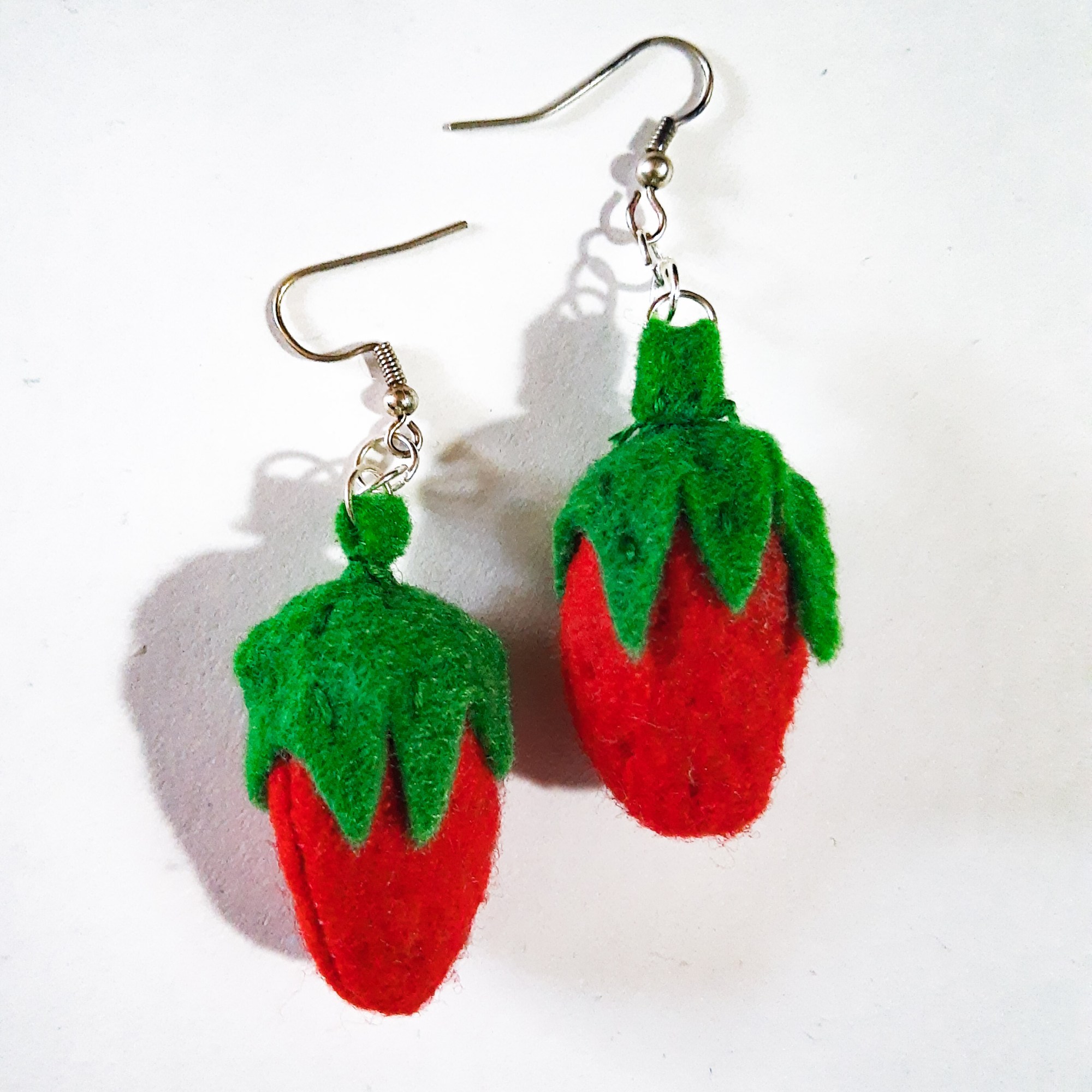
The earrings I made: Top row (from left to right): PCBs, Pom Poms, Cherries. Bottom row (from left to right): Still Life Vases, Strawberries, Wrapped Stones and Pom Poms

The pom pom earrings don’t really match with any of the lessons I’m planning, but I am teaching still life art to lower elementary this week so I can at least match with some of my lessons 🙂
Materials I used to make my earrings:

  • PCBs (Printed Circuit Boards) – I found tiny printed circuit boards from inside an old speaker and from old phones (and my brothers helped me take apart the old technology and unsolder them). I added jump rings through each loop and a button and other electronic part above the PCBs, and then I added the earring pieces.
  • Pom Poms – I made two pom poms with different colors of embroidery thread. I used the excess thread and sewed on two smaller pom poms that were storebought.
  • Cherries – Green wires, embroidery thread, & felt
  • Still Life Vases – Green wires, felt, small chains
  • Strawberries – Felt, embroidery thread
  • Wrapped Stones and Pom Poms – stones, pink wire, embroidery thread

How I make pom poms:

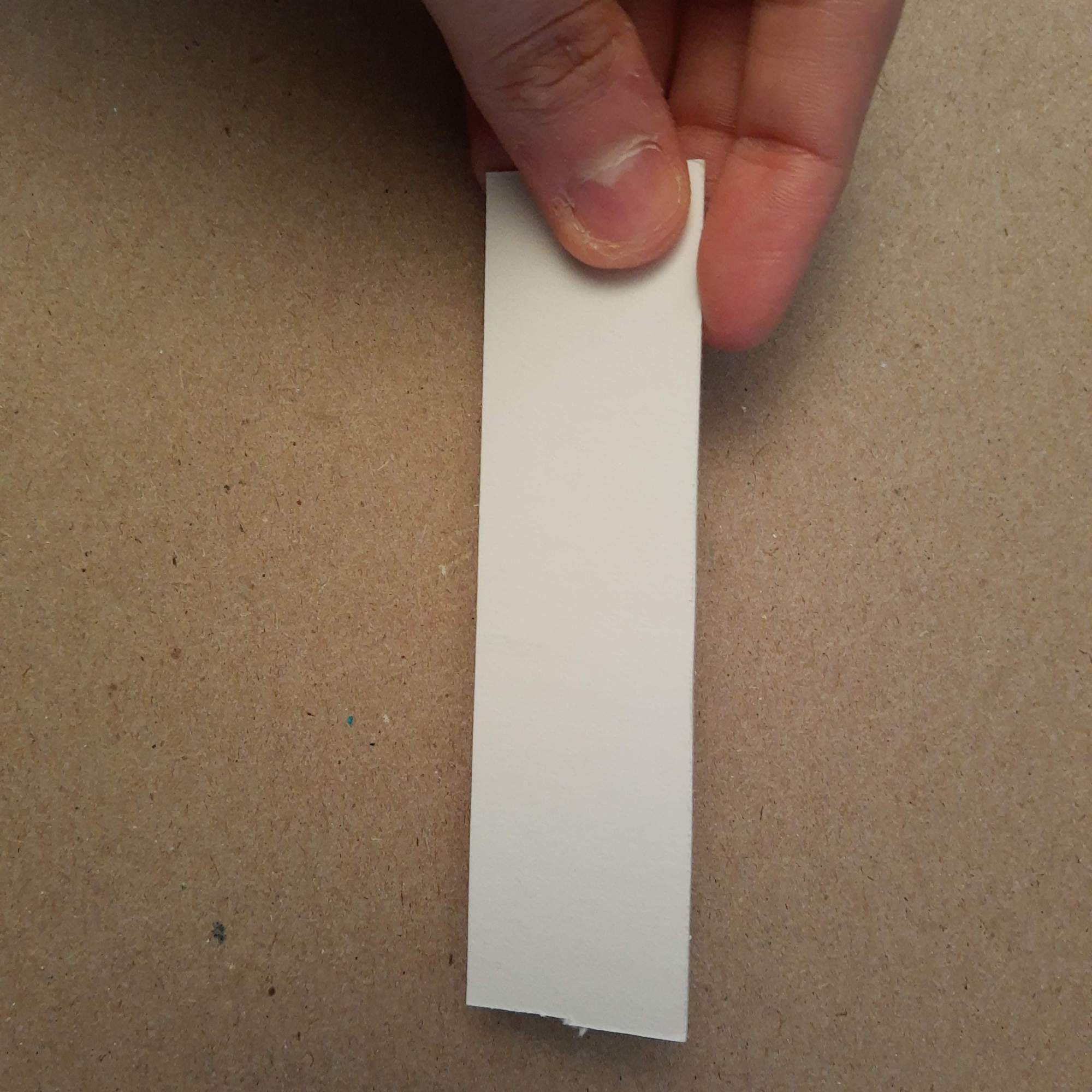
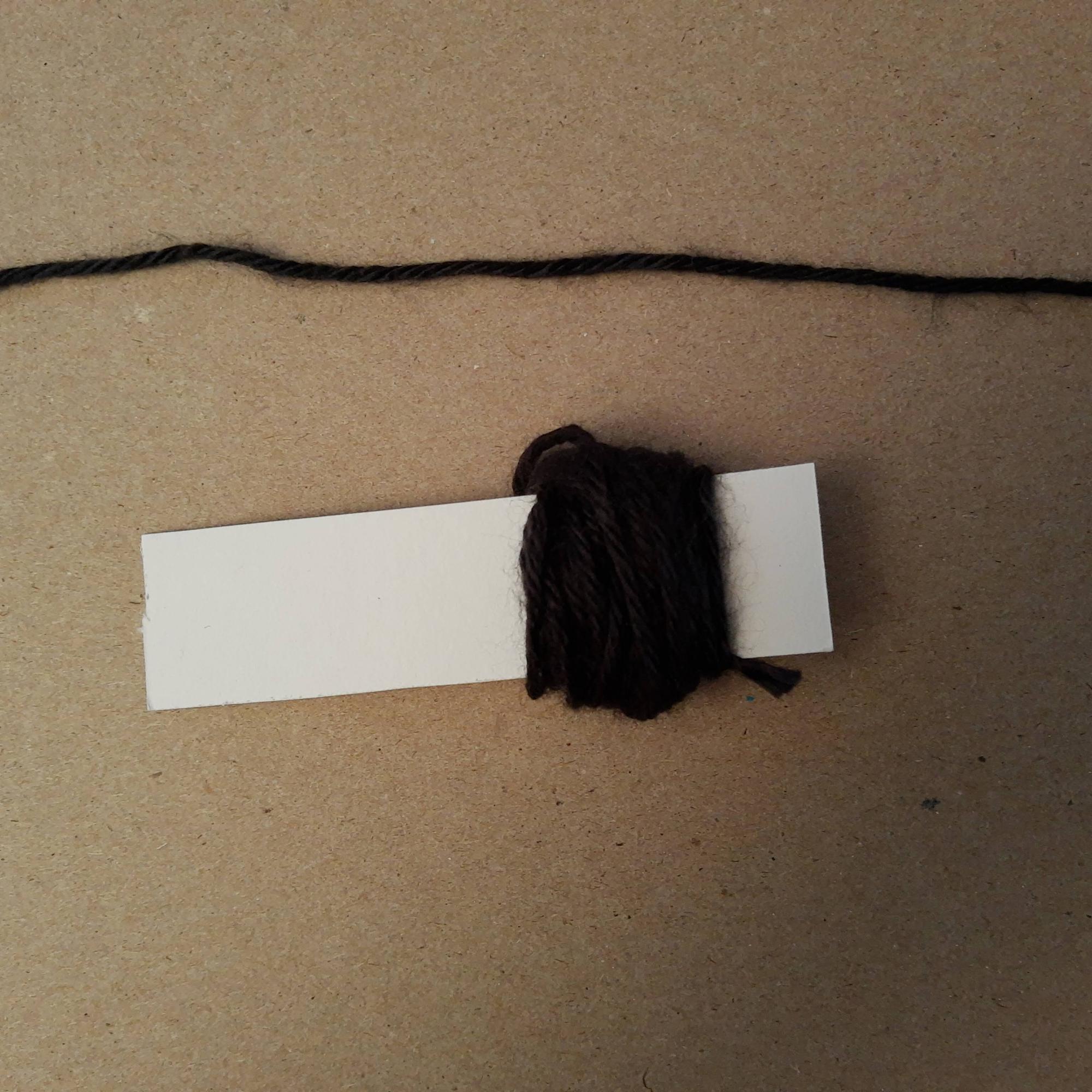
  1. Cut out a small strip of cardboard.
  2. Wrap embroidery thread or yarn around the cardboard.
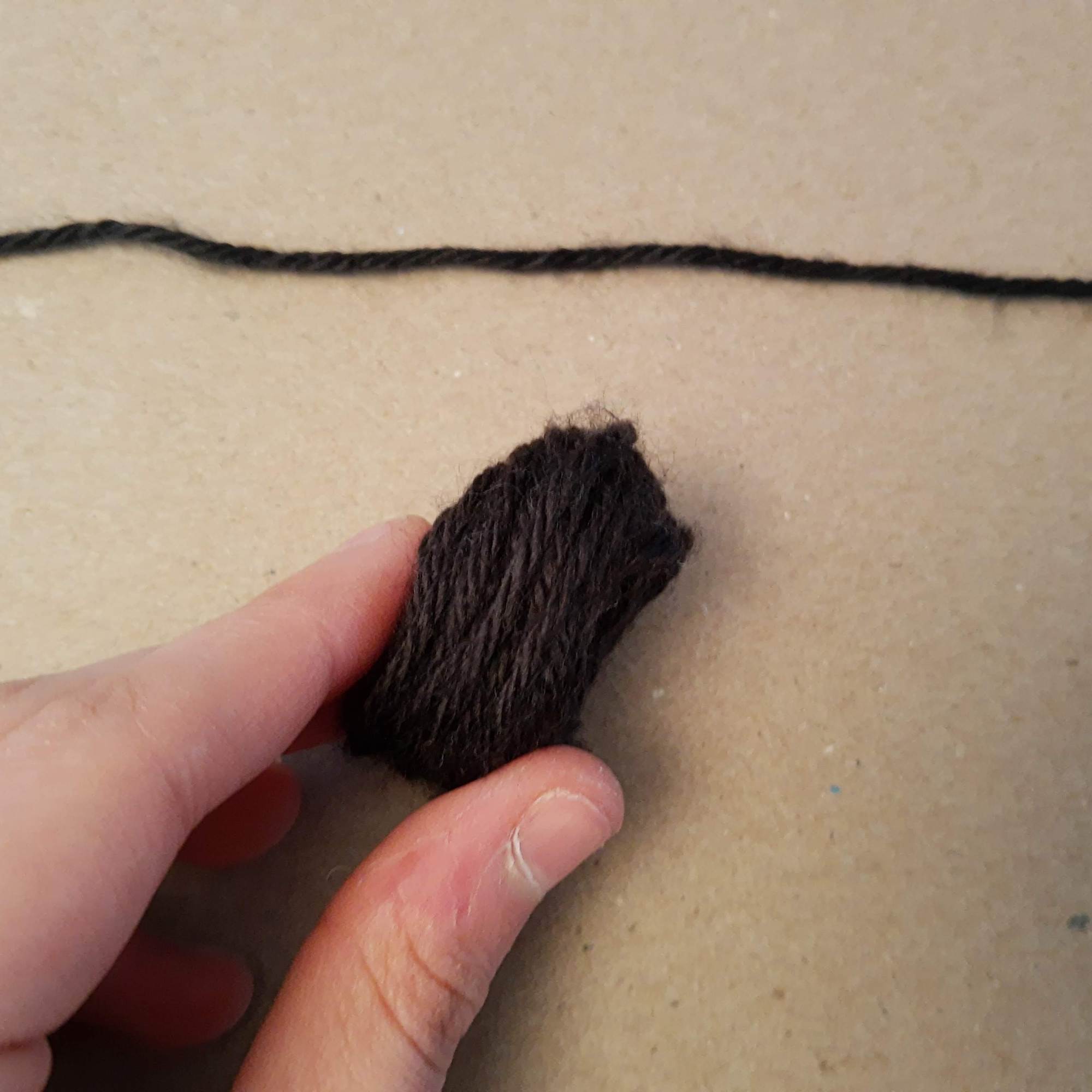
  3. Wrap until you have a thick amount of yarn to make a fluffy pom pom.
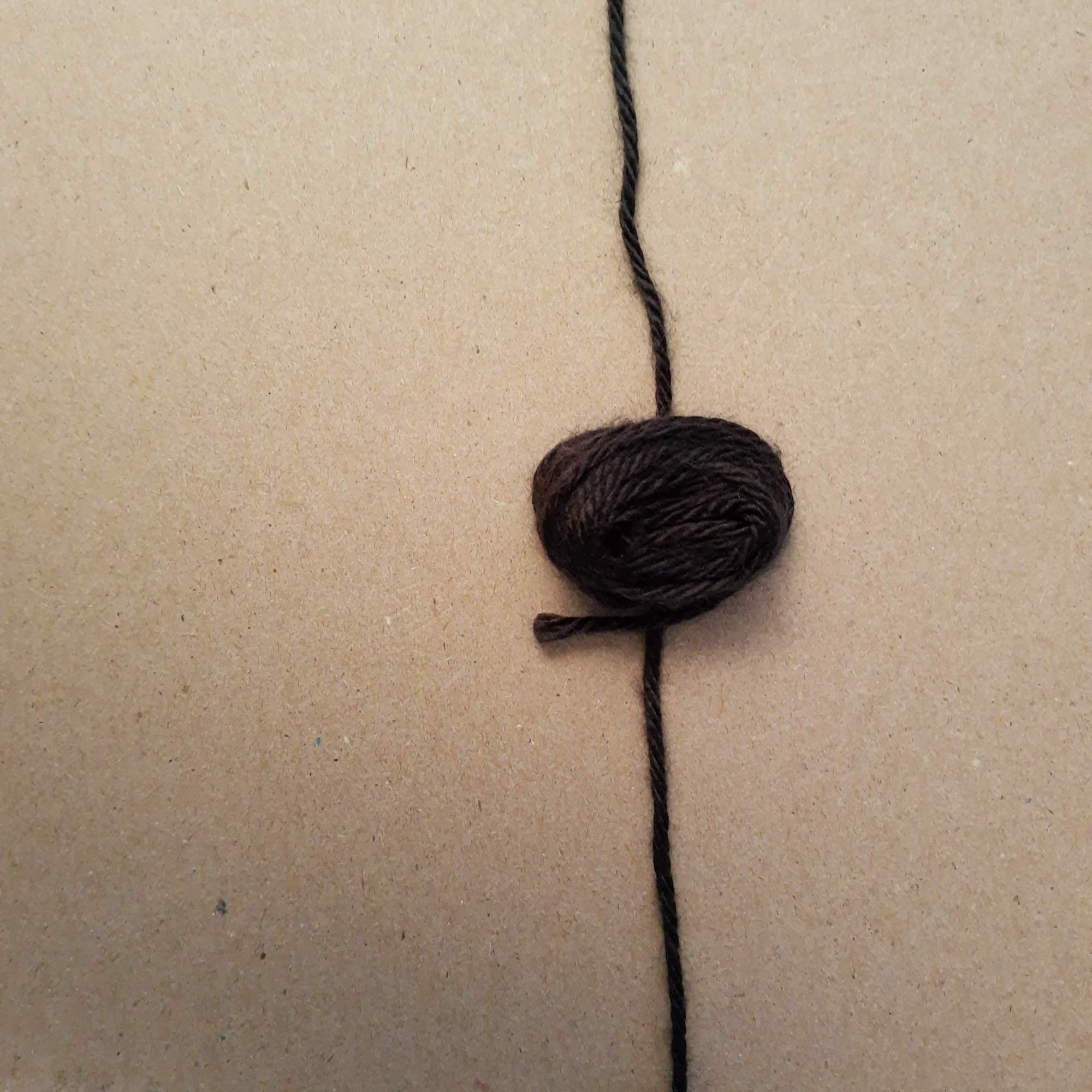
  4. Cut a smaller string out and put it aside.
  5. Slide the loop off of the cardboard.
  6. Place the loop of yarn on top of the string
  7. Tie a knot around the center of the loop.
  8. Tie another 2 or 3 knots around the center to make it secure.
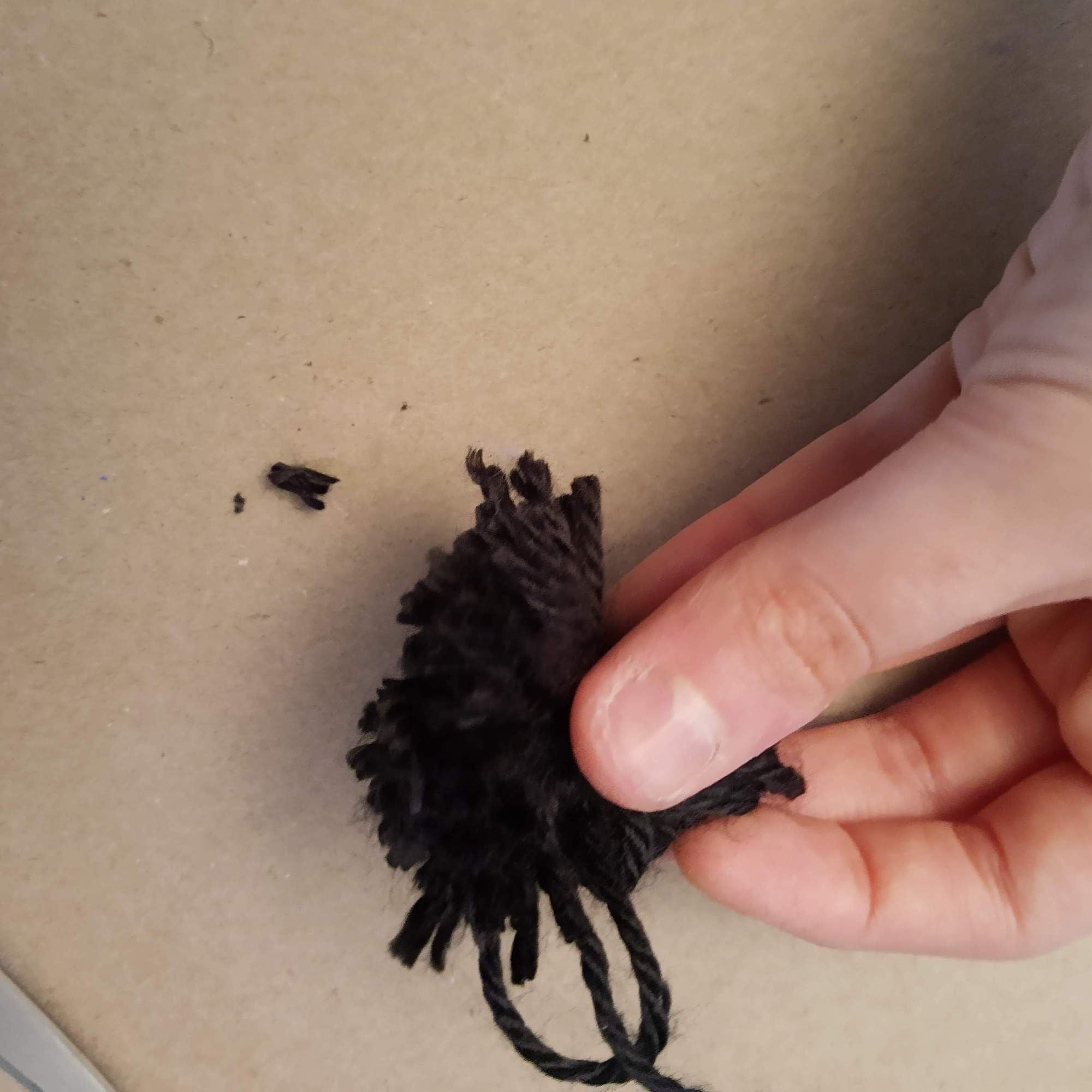
  9. On one side of the knot, cut through the loops.
  10. Cut out the loops on the other side of the knot
  11. Trim excess yarn so the pom pom is even and fluff it up.