All Art is a Self-Portrait

I think all art is a self-portrait. Regardless of whether it is intended to be a self-portrait.

I sometimes feel selfish when I make art purposely about myself. It feels selfish, almost narcissistic, to paint who I am, a direct self-portrait. To make art for myself, about myself. To make art that is about my emotions, my struggles, my thoughts.

When I look at art in a museum or gallery, I like to think about what it would have been like to be the artist. What were they thinking about during the creation process? How did they feel? How did their state of mind affect their work? Did making the art elicit happiness? positivity? or negativity? anger? frustration? Did they like their art?

The artist made every little brushstroke, every subtle shift in the surface, every line, carving, mark. A collection of ideas, thoughts, emotions. Is it possible to separate the artist from their work?

Jeff Koons/artists who have assistants helping with the painting – can their art be considered a self-portrait? Is the artist the idea or the creation? Does it even matter?

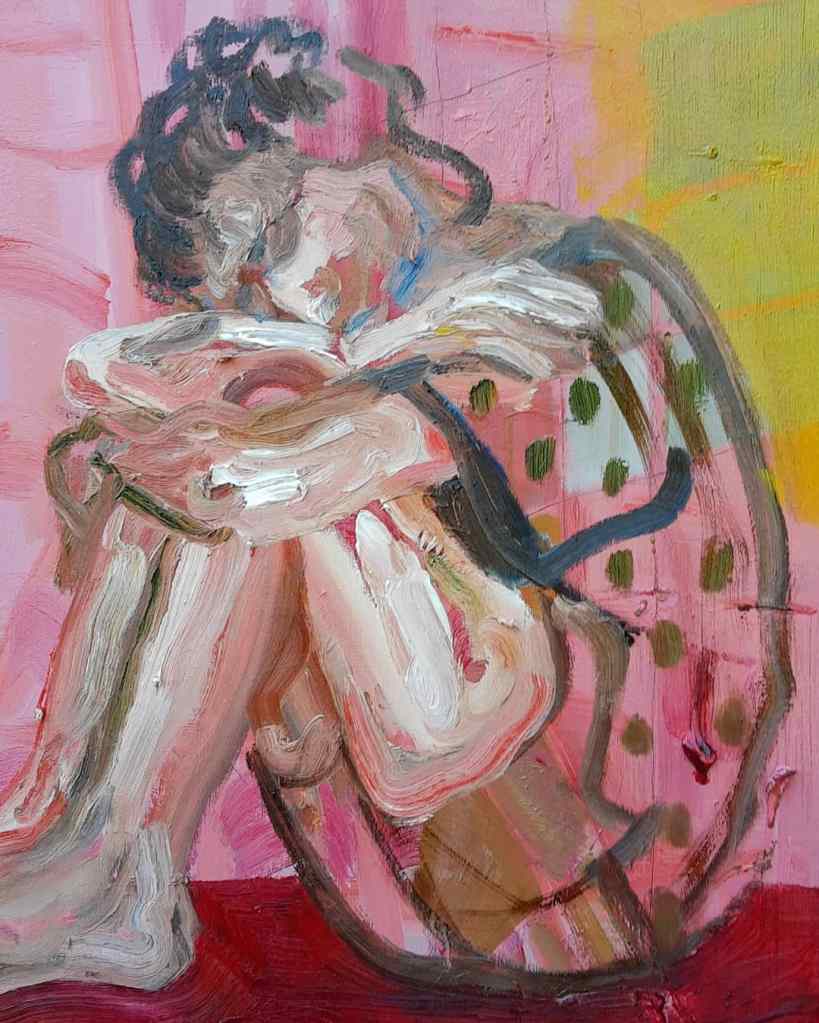
untitled (cope no.2), oil on canvas, 24″ x 18″, 2021

Art Rut – a reflection on the creative process

When I first started coming up with ideas for this piece, I struggled a lot. I hated everything I drew out and none of my scale models were appealing to me at all. I had been thinking about the project and brainstorming ideas for a week; I had talked over my ideas with many people, yet nothing inspired me to create.

After being given an extension, I decided I wouldn’t think about the project anymore, yet on Tuesday, I decided I wanted to start working. I had a small doodle-like sketch of a possible idea and no scale models, but I started cutting metal and decided I would stop thinking and just see what happens when I make something without a carefully thought out plan.

Before I started working, I wrote down the words “precarious, uncertain, spontaneous, and wobbly” and in a way, these words guided how I worked. I spent most of Tuesday working on my metal sculpture, welding on pieces to see how it would affect the structure, hoping that the requirements of horizontal and vertical would somehow fall in place (which they did). While working on the project, I was free to explore – I held each piece of metal in my hands and experimented with how different pieces looked connected to each other. It became a piece more about process and a way to stop thinking.

Sometimes I overthink things way too much and become lost in my head with too many ideas to just pick one – I am sometimes too hesitant to start until I have meticulously planned out every detail. Sometimes I know exactly what I want to do, yet sometimes I think too much about different ideas and become lost with too many thoughts. This piece is about letting go, losing control, and being spontaneous. Because sometimes I need to stop thinking in order to think.

Process Art

I think process-based art relates to mindfulness because with process-based art, you only focus on the present and make marks and see where the marks take you. Accepting all feelings and thoughts and emotions and surroundings and acknowledging them and placing them on a canvas.

I had a professor in college who encouraged me to make more process-based art because at the time, I was really tight and realism/detail oriented, and letting go and trusting the process was really freeing and fun, and pushed my art to new places. It was especially freeing to break the rules of art and add thick globs of oil paint, drip paint, scrape paint, turn the canvas around and switch the orientation of the artwork as I worked. And mixing gunk (dried paint, beads, yarn, string, fabric) into the paint. It’s really liberating to take a material as expensive and “high” art as oil paint and fuck it up. Especially because oil paint is primarily associated with the old masters and western, European art. I love taking a “precious” material and destroying it.

Quilts at the Museum

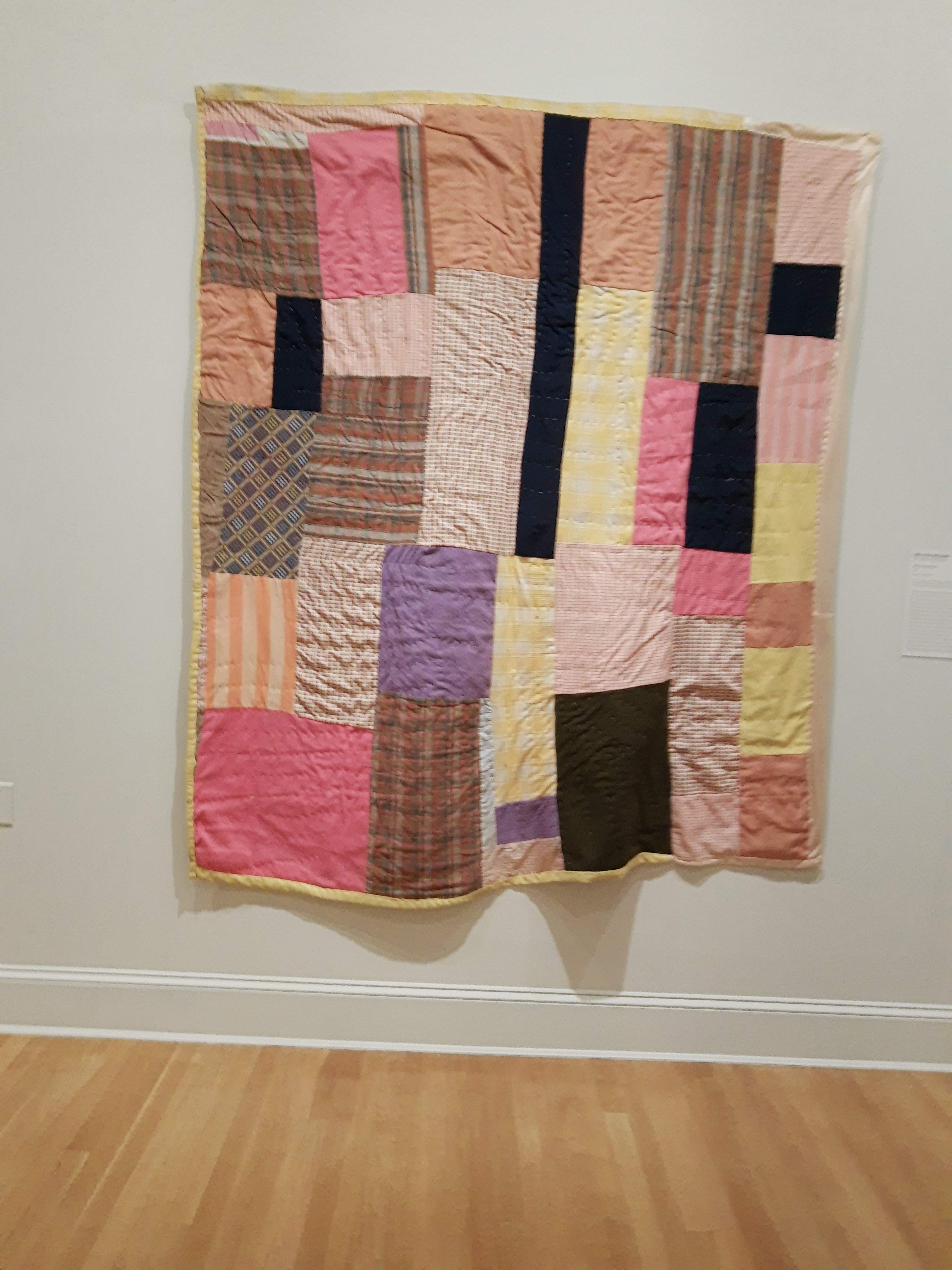
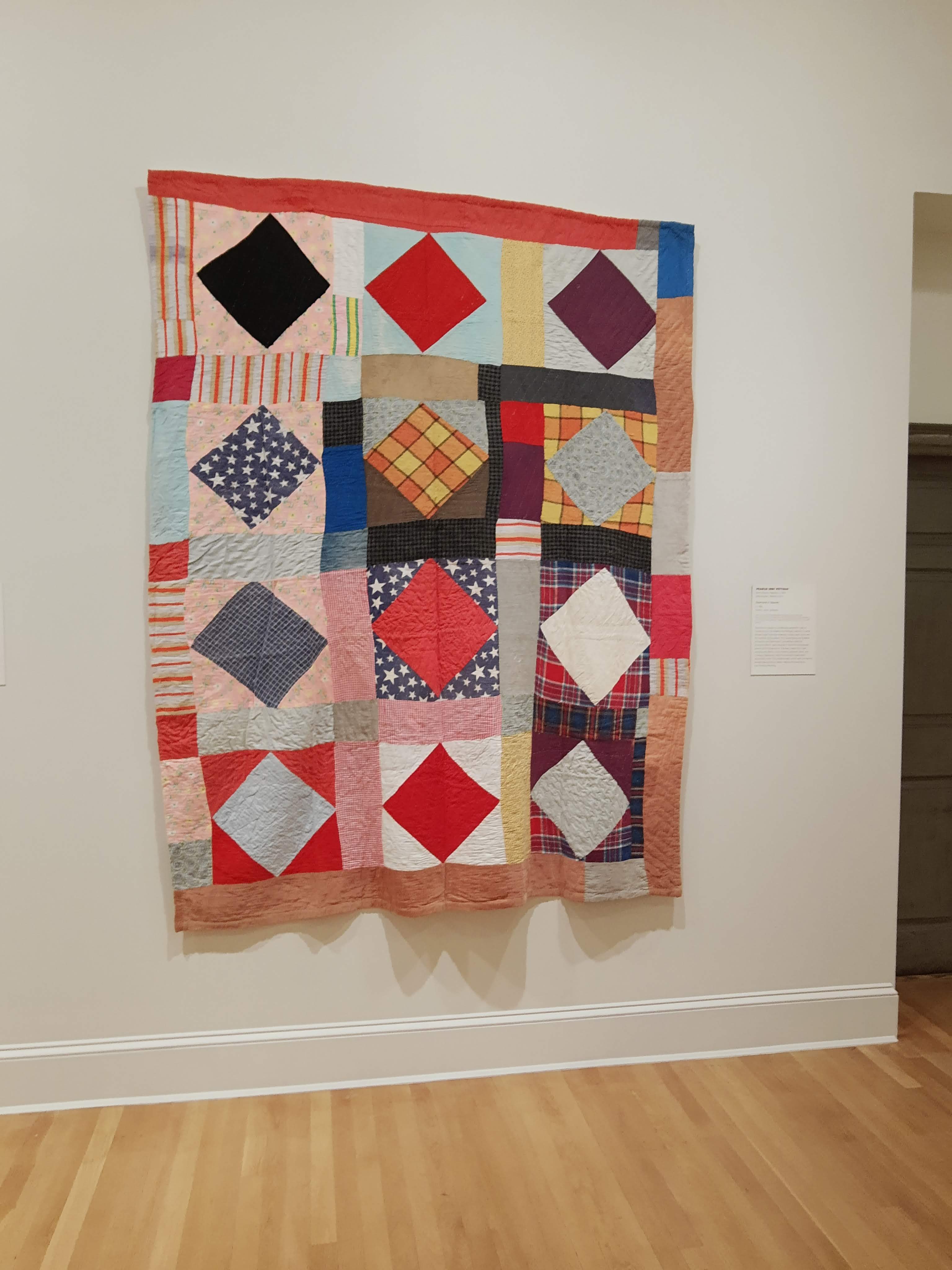
About a year ago now, I saw these beautiful quilts at the BMA. I don’t know why, but I much prefer crooked quilts to neat, perfect quilts. I appreciate the skill and patience that goes into perfectly straight quilts, but visually, I much prefer scrappy, imperfect ones. Maybe it relates to my preference for abstract, expressionistic art as opposed to realistic, “perfect”, “skilled” art. There’s so much more movement and gesture to the slanted lines and curved edges. It feels nostalgic and comforting.

Crochet Cardigan

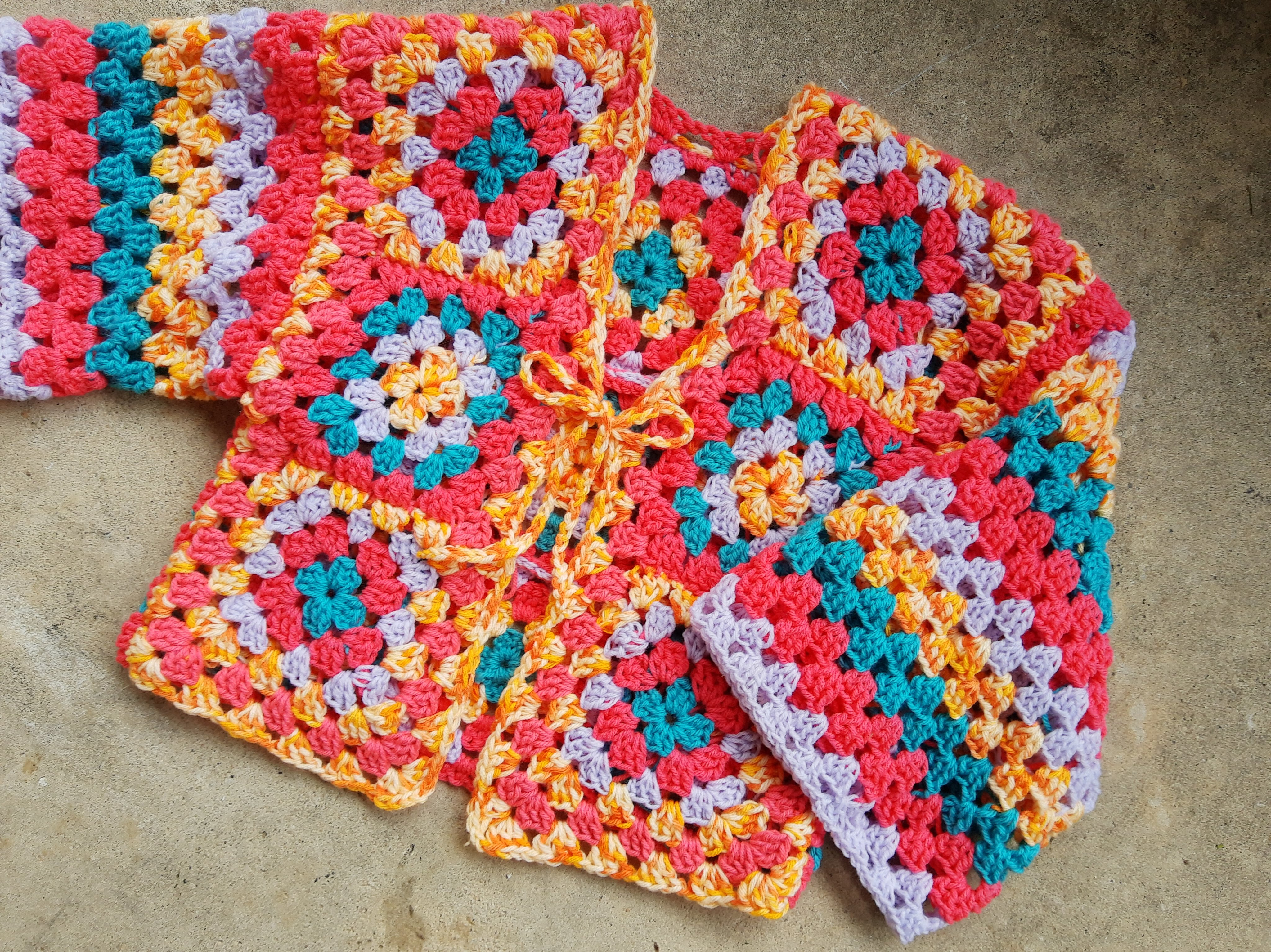
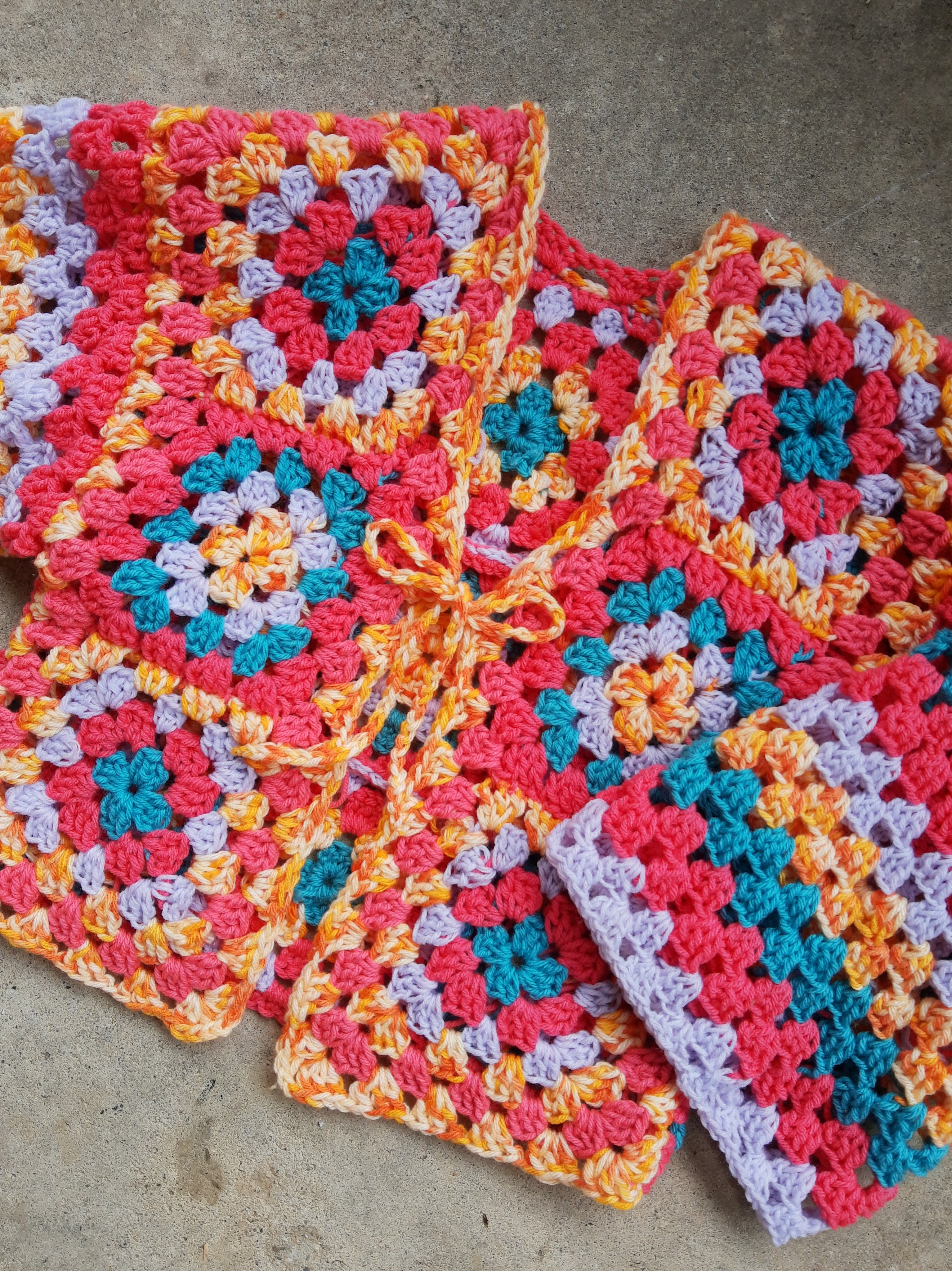
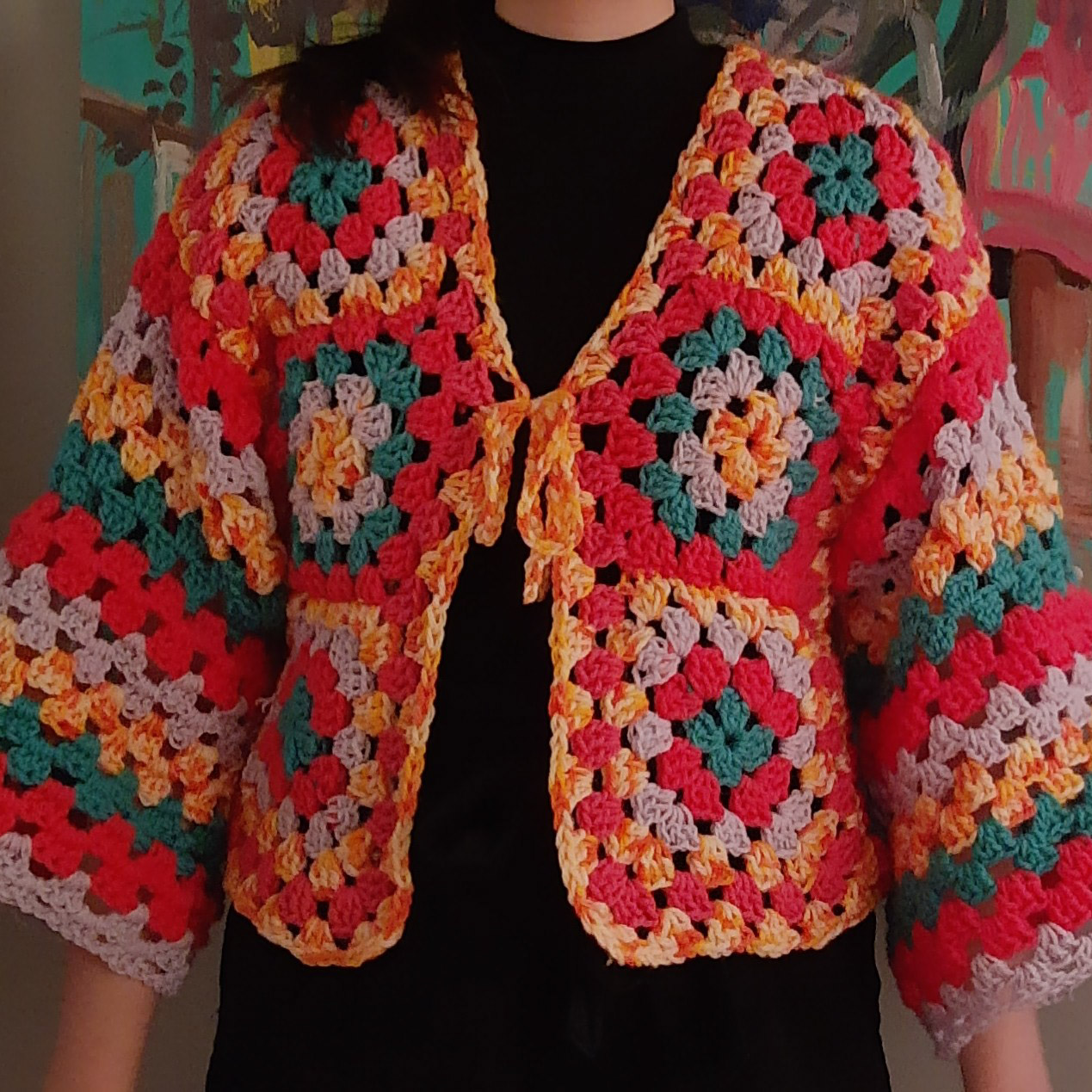
I finished my crocheted cardigan! At the beginning, I planned to make a pullover sweater, but then as I was working on it, I decided it would look better as a cardigan.

It took a long time to make and I still have a lot of loose strings to weave in. I might just wear it without finishing up all those loose strings.

I am so happy with how it turned out and I can’t wait to wear it!

Edit: (the next day) – I wore my cardigan today!

Crocheting, Painting, and My Other Recent Artsy/Craftsy Projects

I’m working on a ton of small projects lately. I get bored of working on one thing and then I have another idea and I don’t really have enough focus to work on any one project right now and I’m frustrated with art and crafting currently. Just a bit of art/creative unmotivation. I finished some of them though.

I’m bored so I’m just gonna write about all my ideas and current projects here and organize my brain a bit.

The Projects:

1) Crocheting a granny square sweater – I decided to use my crazy colorful yarn to make a bright, patchwork-y sweater. I love crazy clothes and I am always trying to incorporate more colorful, patterned clothing pieces into my collection. I have the front panel of the sweater all sewn together and crocheted. I just need to do the sleeves and back panel, which is 21 more granny squares which I am kinda over making after the first 9. I’ll get to it eventually… (haha we’ll see). If I ever crochet the rest of it, I plan to add a cute little scalloped trim to the bottom of the sleeves and sweater.

2) The start of a new painting – beginning layers, we’ll see what happens to it…

3) Painting fabric with this pattern. When I’m done painting it, I hope to make either a quilt-like thing, or a tapestry-like thing

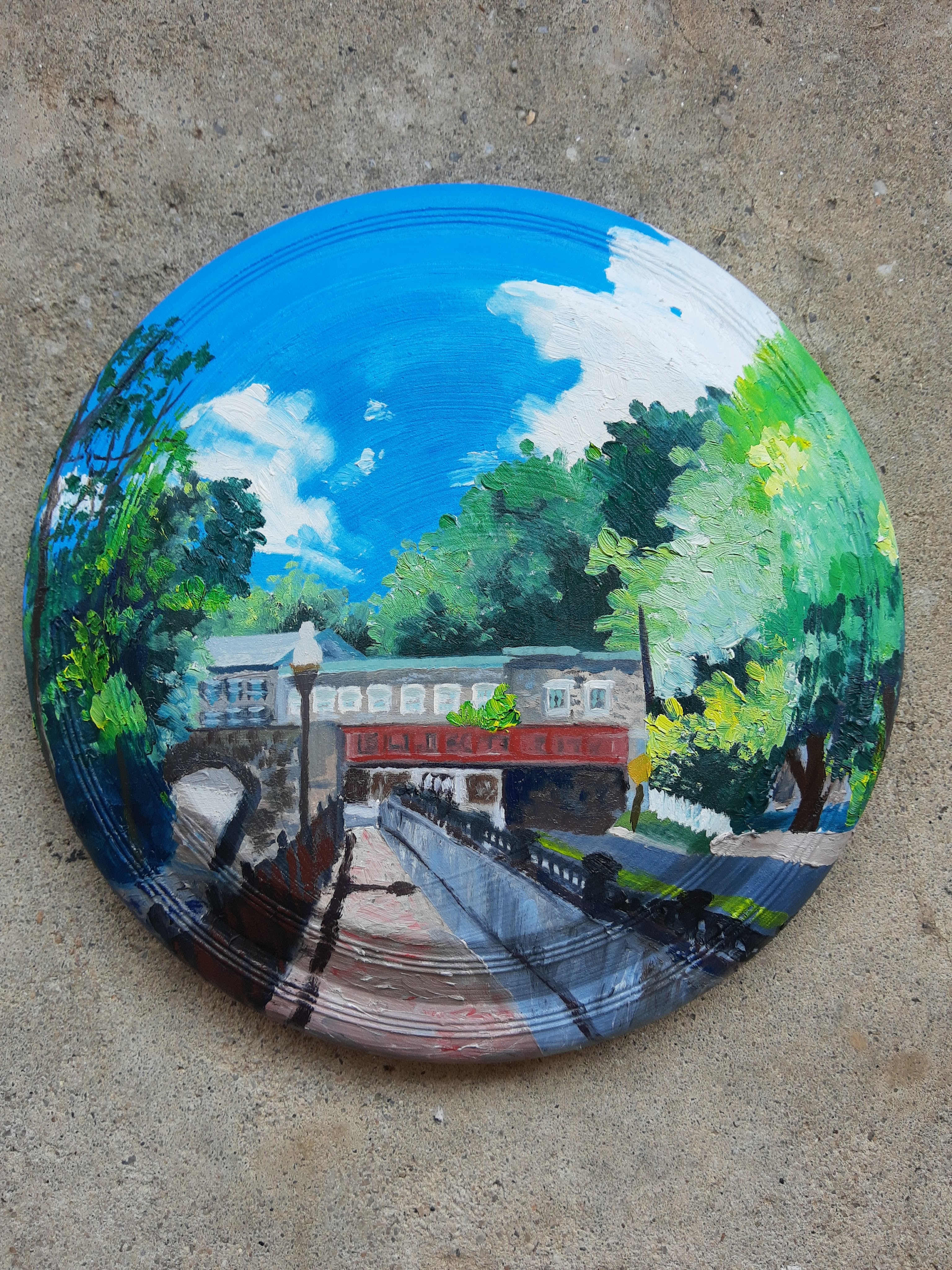
4) I painted a frisbee with oil paint

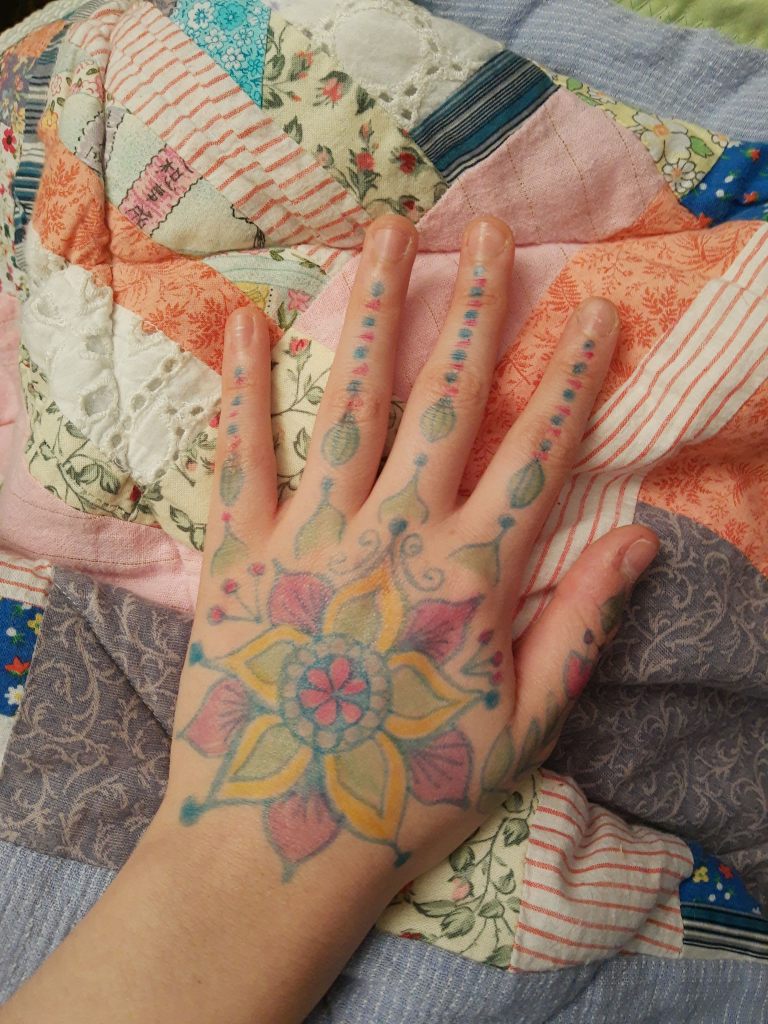
5) I drew on my hand

6) I destroyed an old painting that was already really ugly.

The end.

End of Class Activities

These are some of my favorite ideas for the end of class that I came up with/learned about in college. Honestly, so far in my teaching career, we usually only have enough time to get cleaned up and maybe do some quick reflection questions about the concepts/skills discussed/learned from that class. My classes are super short and I typically want my students to have as much time as possible to create and experiment with their art.

  • Gallery Walk – Take a quick gallery walk around the classroom and see other people’s artworks in progress.
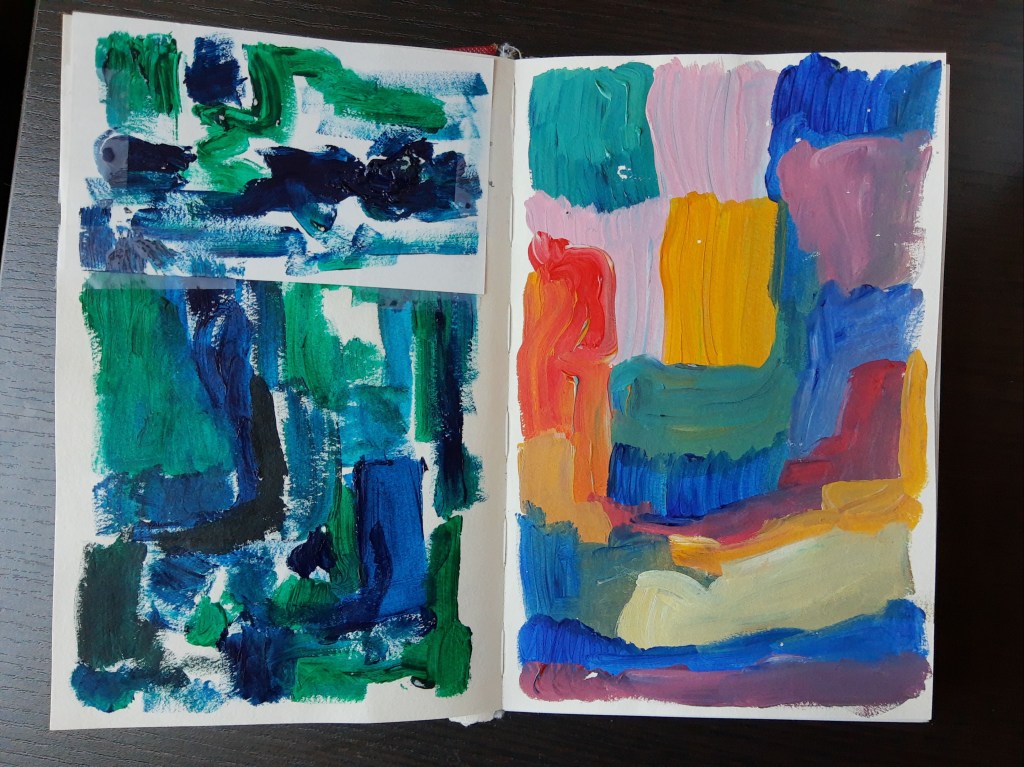
  • Sketchbook Assignment – Students can get started on a weekly sketchbook assignment or free draw in their sketchbooks.
sketchbookimage3
  • Automatic Drawing/Art Meditation – Ask students to think about why they make art and what kind of an experience art can be (is it emotional? freeing? difficult?). Have students loosen up and let go by drawing and creating without a purpose/end goal in mind. Play calming music and encourage students to close their eyes yet continue to keep their hands moving and drawing across the page. Students can create mandalas, abstract blobs, lines, and whatever else “flows” out of them. If there is more time to prepare, you can also give students small pieces of cardboard which they can paint on using just a brush dipped in water. The images they draw on the cardboard are transient which eases the pressure of creating something perfect with permanent marks.
mandala
  • Art Trivia – Ask questions about concepts that were taught that day or have a list already prepared with possible art trivia questions. Or, pull up art related quizzes from sporcle.com.
  • Make a List (best for 3-5 minutes left of class) – Have the students take out a piece of paper or use a page in their sketchbook and list as many artists as they can think of before the bell rings.
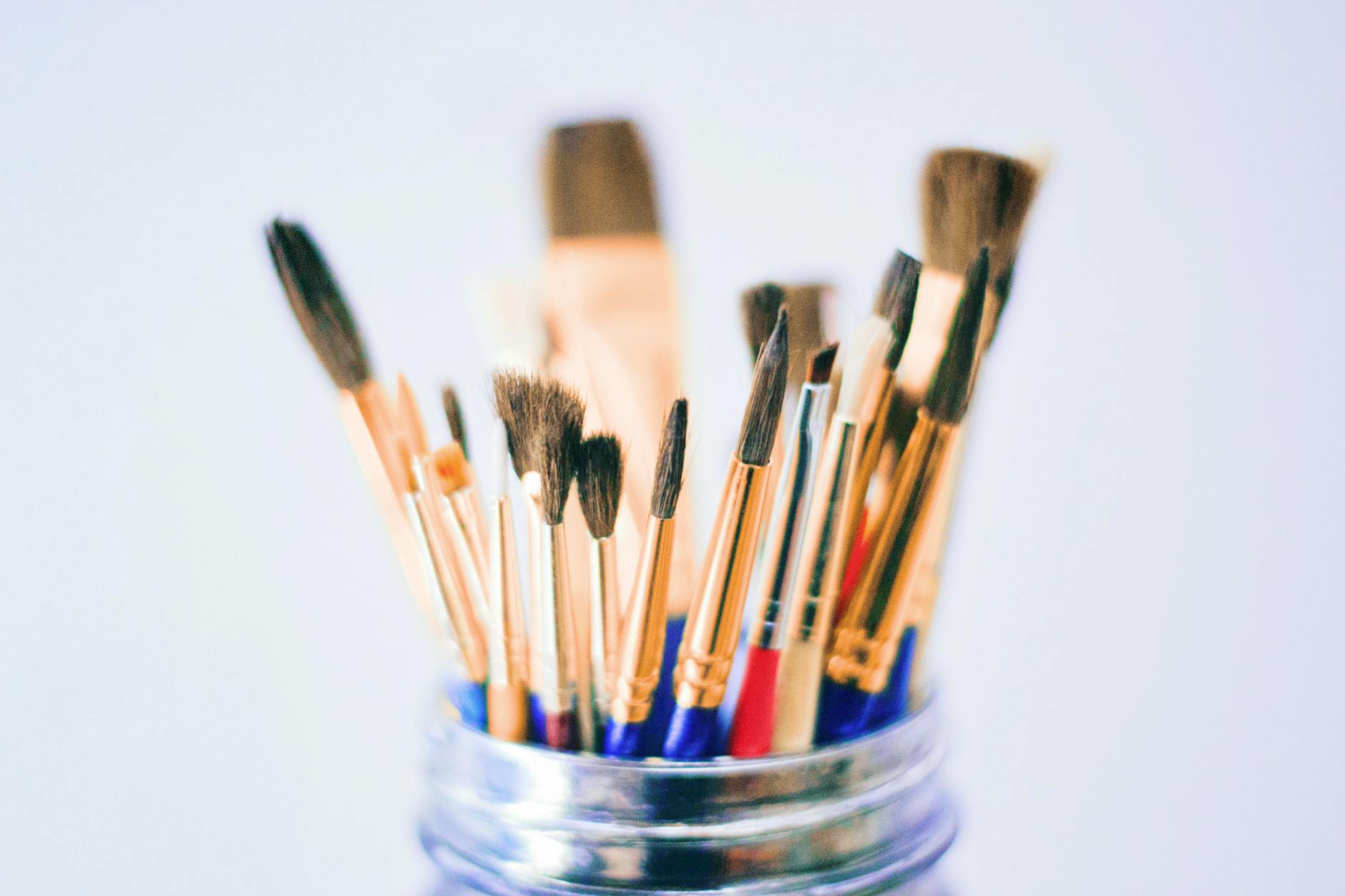
  • Thorough Clean-up – Assign students jobs to wash brushes, clean out palettes, wipe table and counters, and tidy up the classroom thoroughly.
shallow photography of brushes on jar
Photo by Emily Hopper on Pexels.com
  • Exit Tickets – Have a stack of exit tickets prepared for days when there is extra time. Possible questions include:
    • What was the most interesting thing you learned today?
    • What are you planning to add on to your project?
    • What is your inspiration for your project?
    • What challenges have you faced and what did you do to overcome them/what are you planning to do?

New School Year, New Classroom!

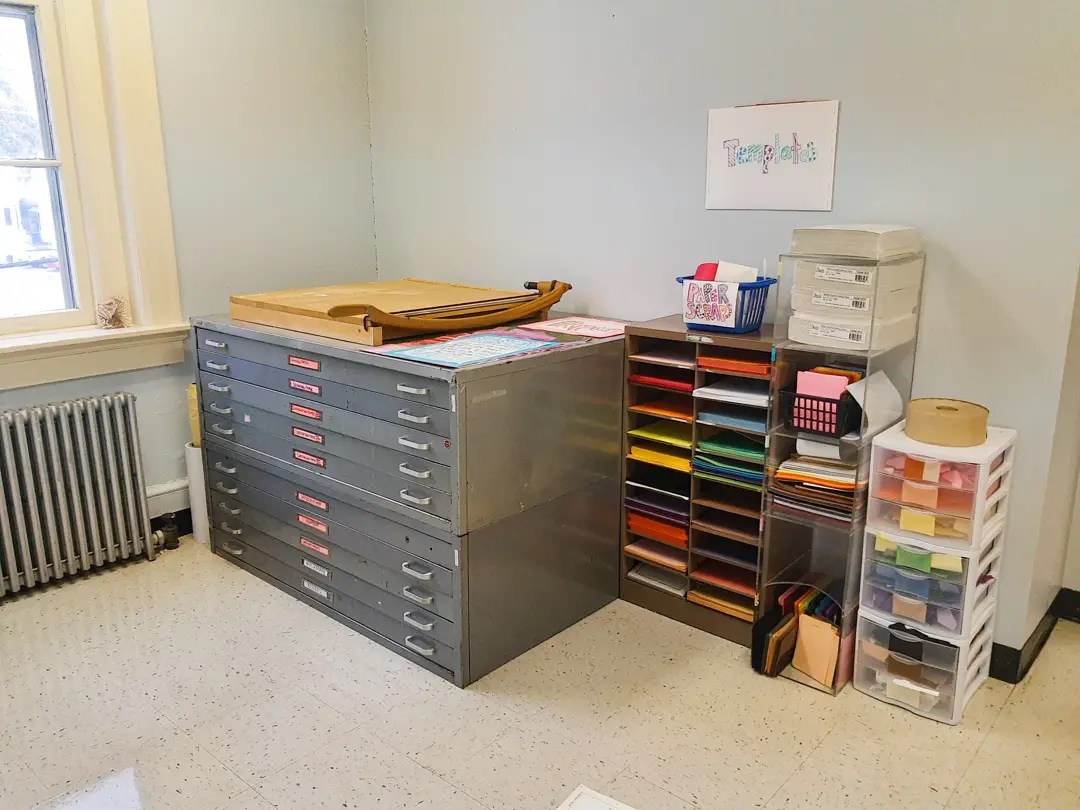
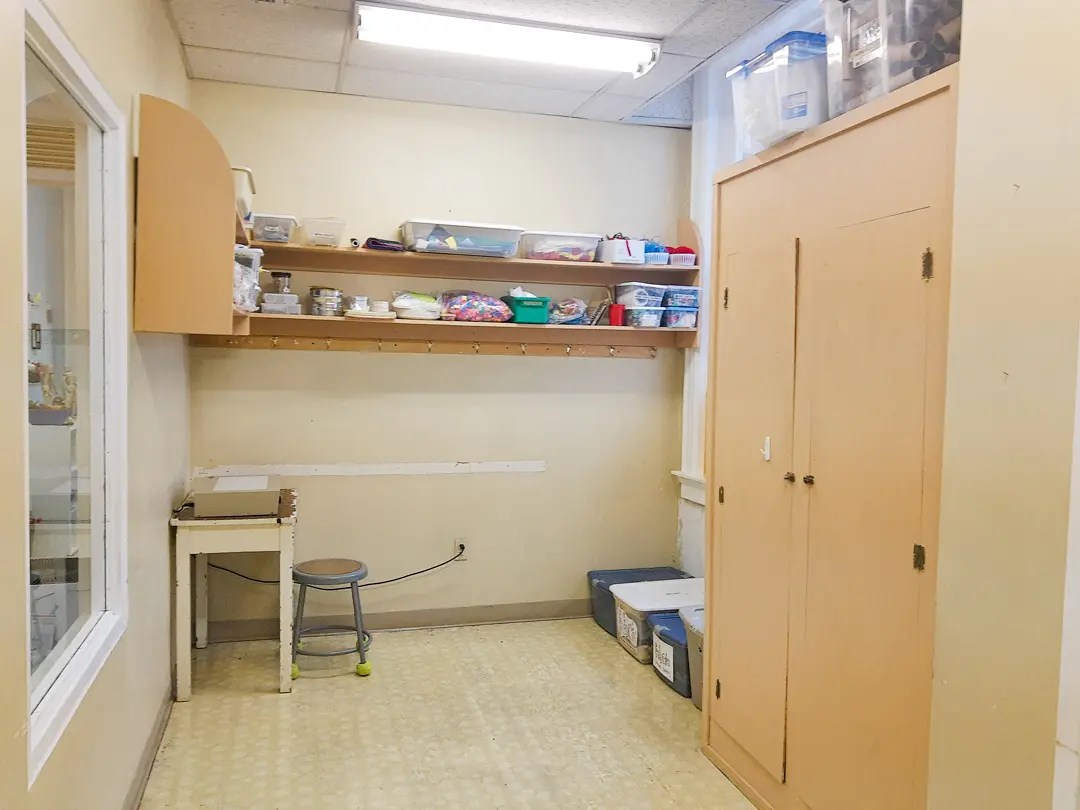
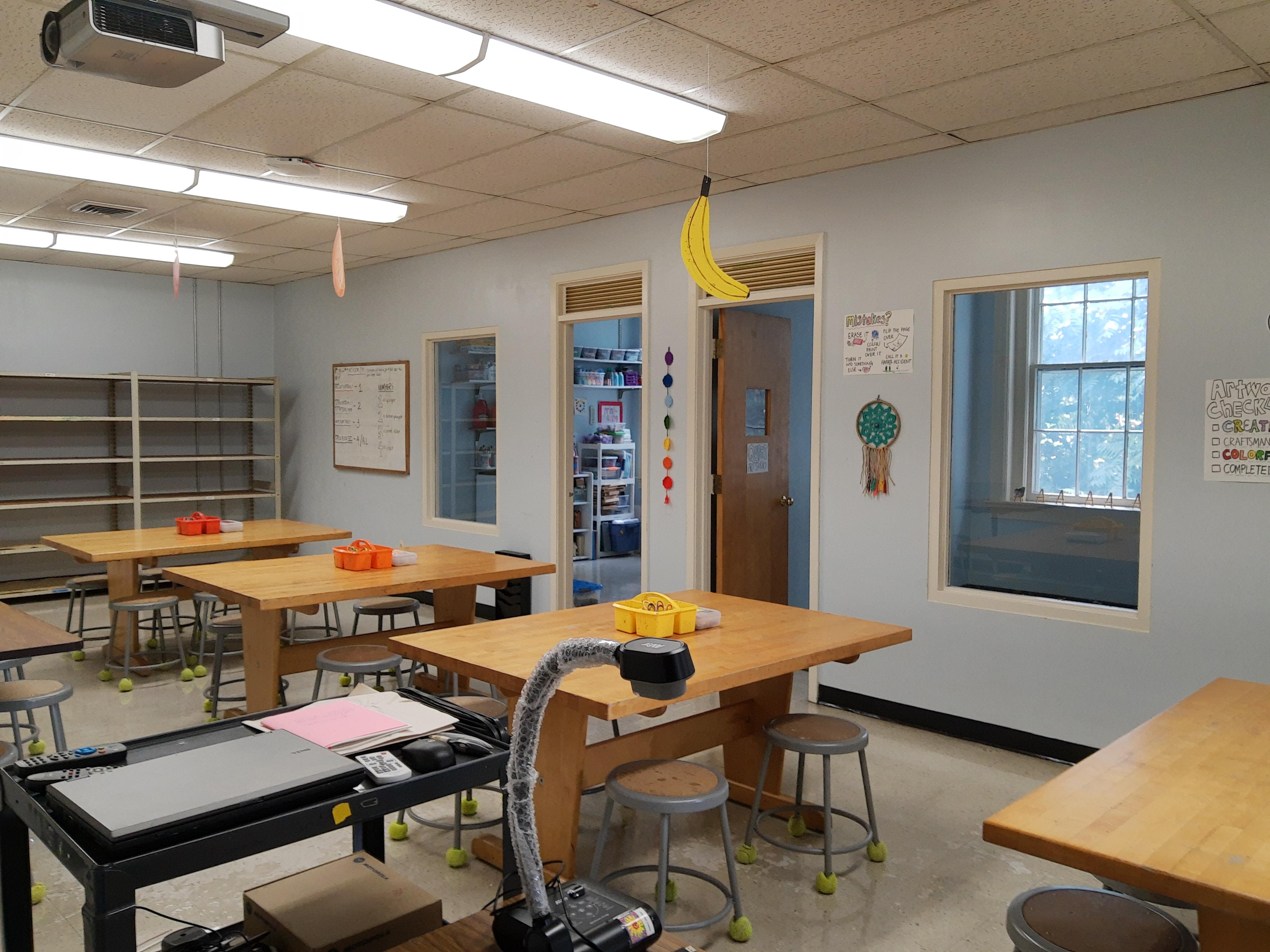
I was moved to a different classroom this year and at first I was disappointed because my classroom last year was awesome, but this classroom is also amazing! I spent a week unpacking materials, organizing, and setting up different art studios within my room.

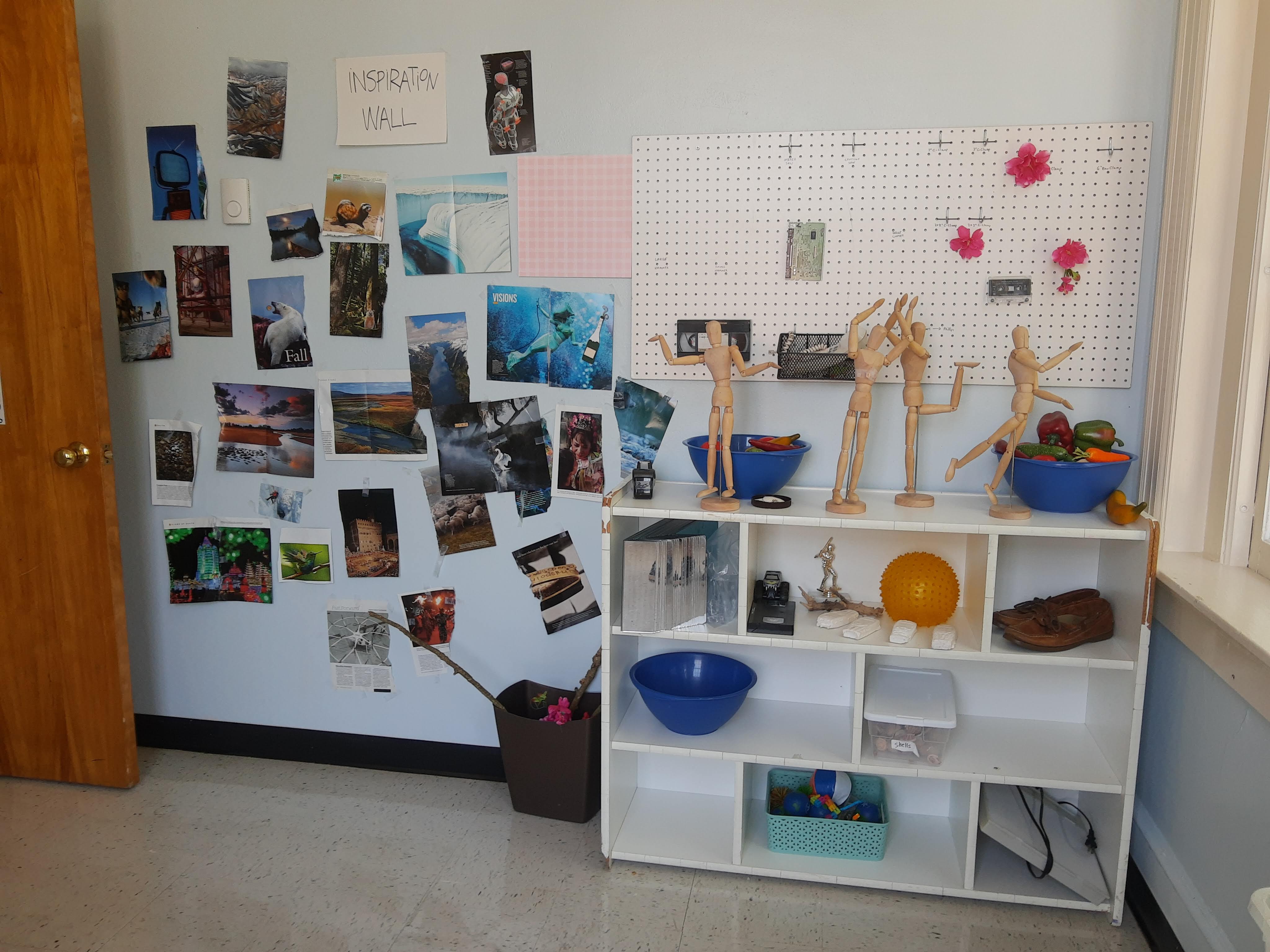
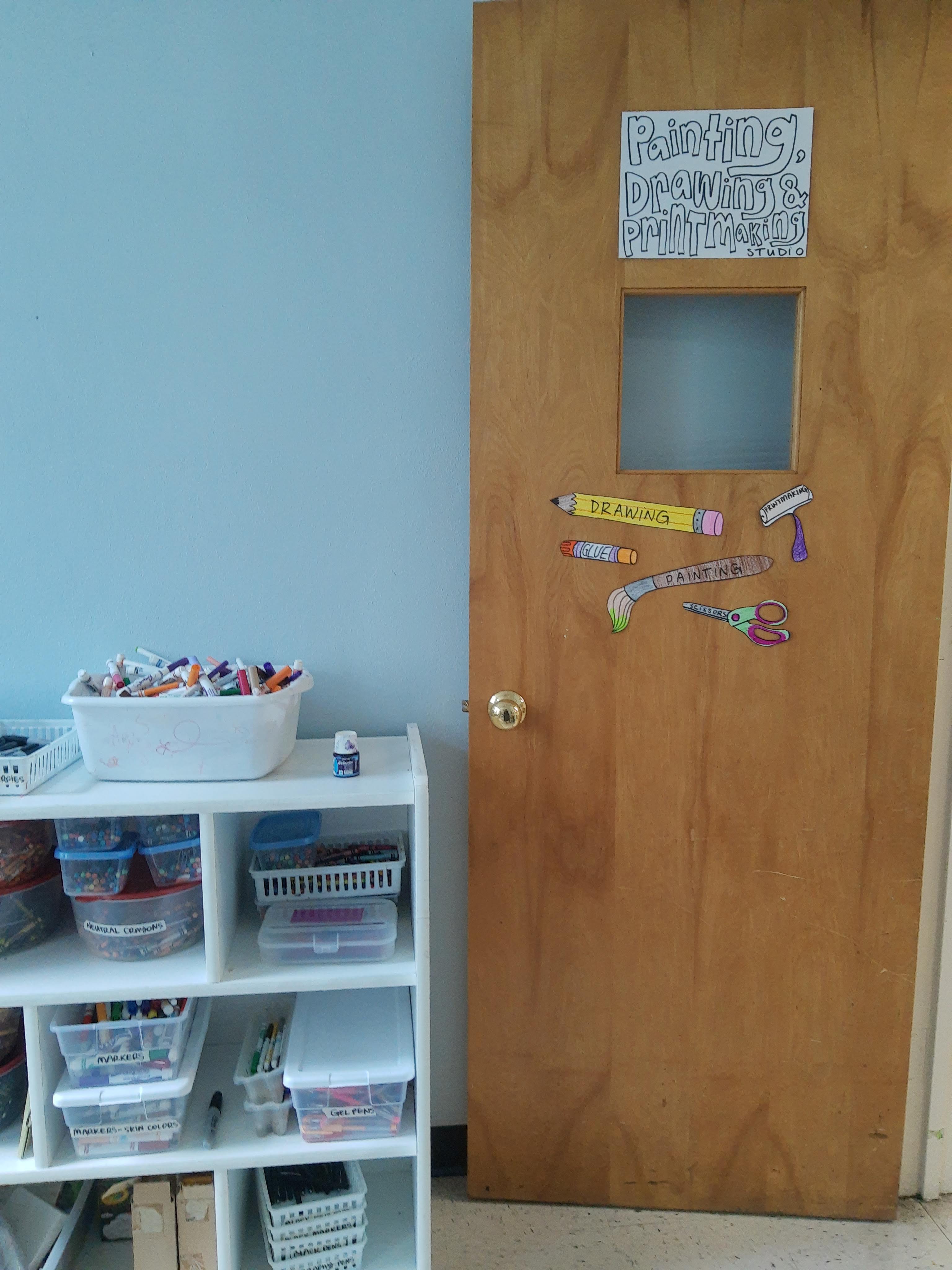
My classroom is comprised of one main room and 4 smaller rooms which I’ve separated into studios (painting/printmaking studio, drawing/early finishers studio, paper/inspiration studio, and 3D/textile studio).

Before organizing/decorating:

After organizing/decorating:

Studio Rotations:

This past week was my second week with my classes, so to introduce my students to each of the studios, we did materials explorations by rotating groups through each studio. There were 4 tables of students, and each group of students spent about 5-6 minutes in each studio, exploring the materials that were laid out.

PAINTING STUDIO

In the painting studio, students painted on a large piece of paper and also experimented with painting marks on smaller papers.

DRAWING STUDIO

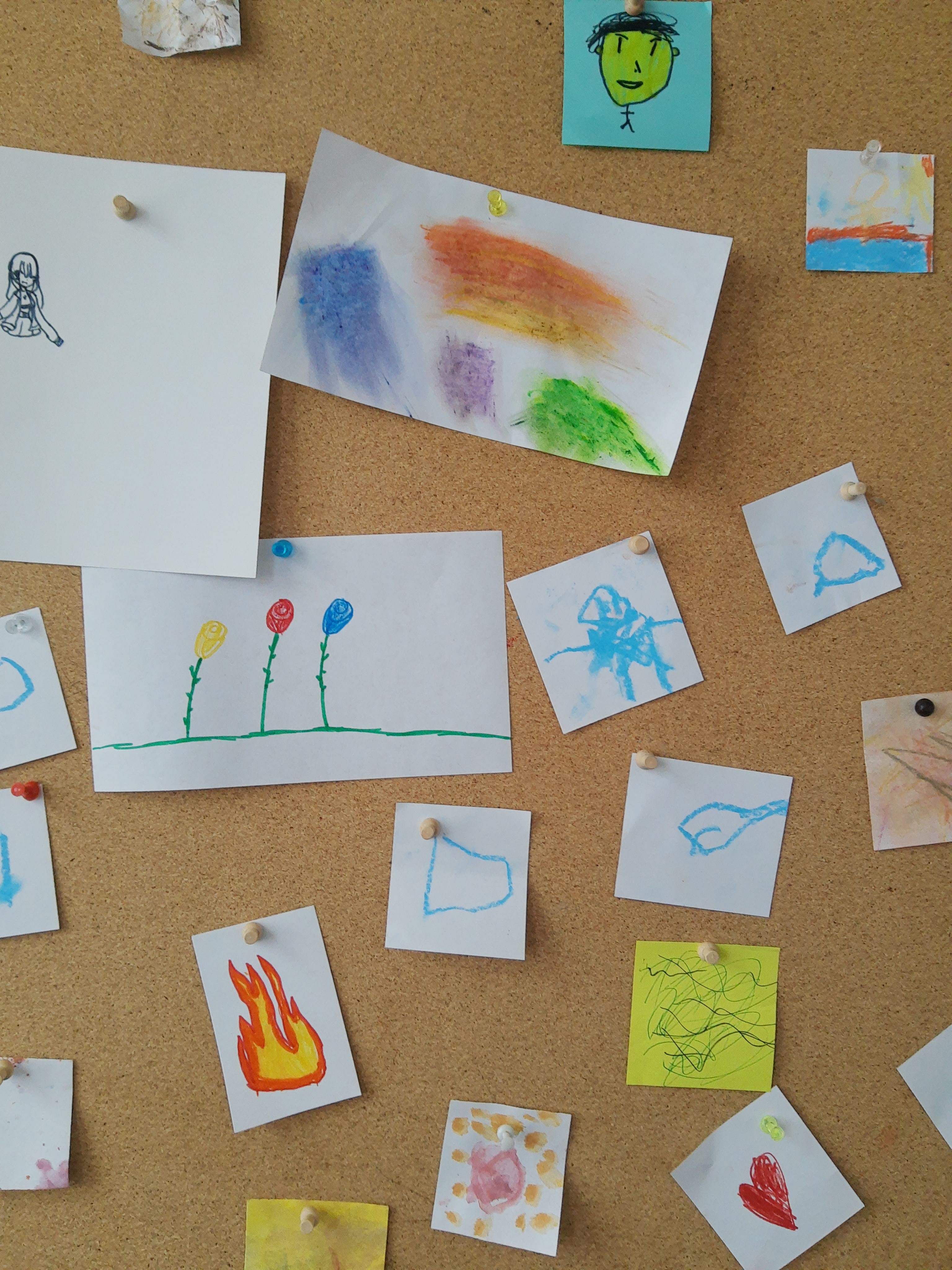
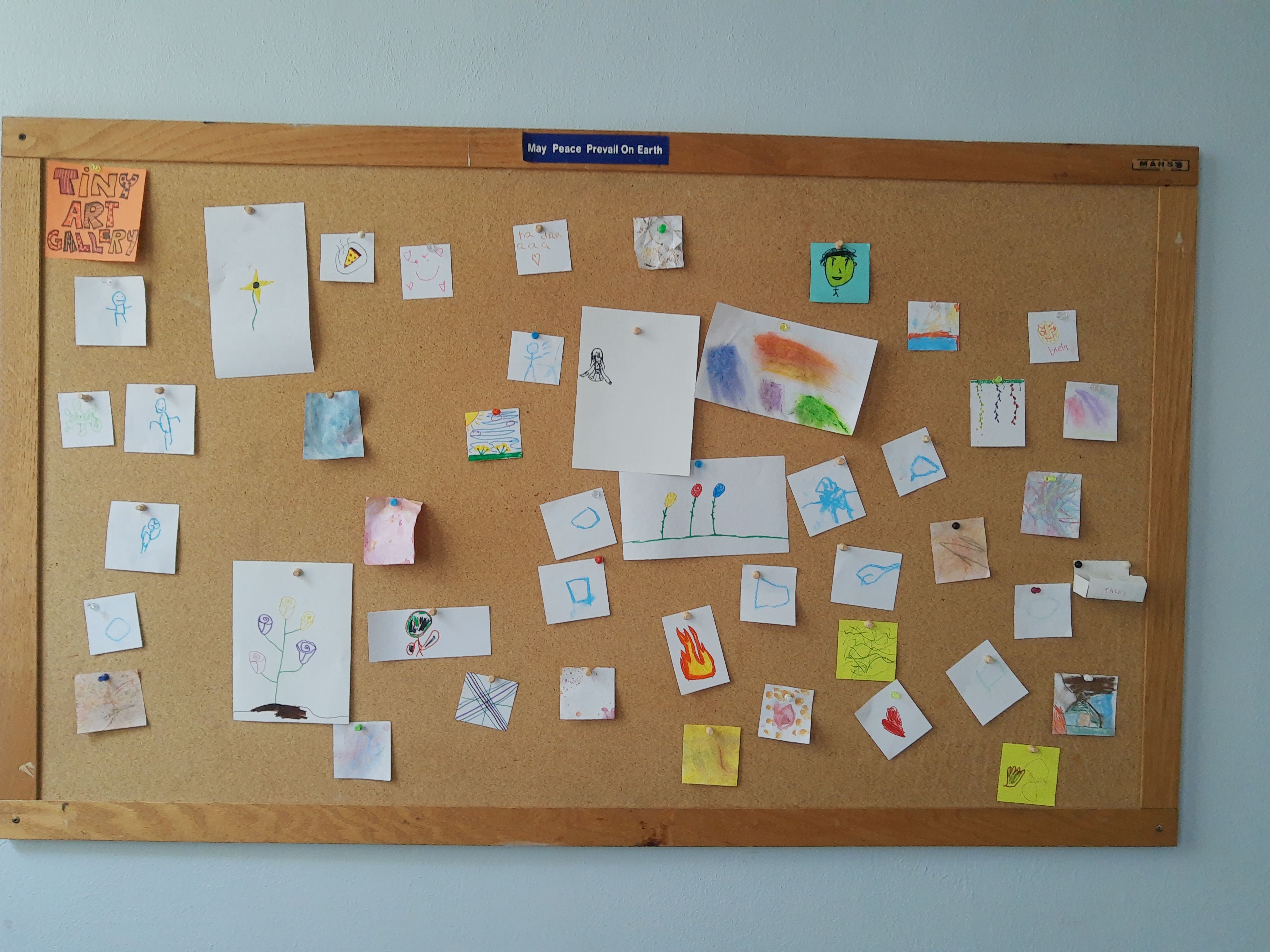
In the drawing studio, students used chalk pastels and oil pastels and experimented with smudging and drawing different things. When they finished their tiny artwork, they pinned it up on the board.

PAPER & INSPIRATION STUDIO

In the paper and inspiration studio, students flipped through magazines to find inspiring images and then taped them on the wall. They also could experiment with making a mini collage.

3D & TEXTILE STUDIO

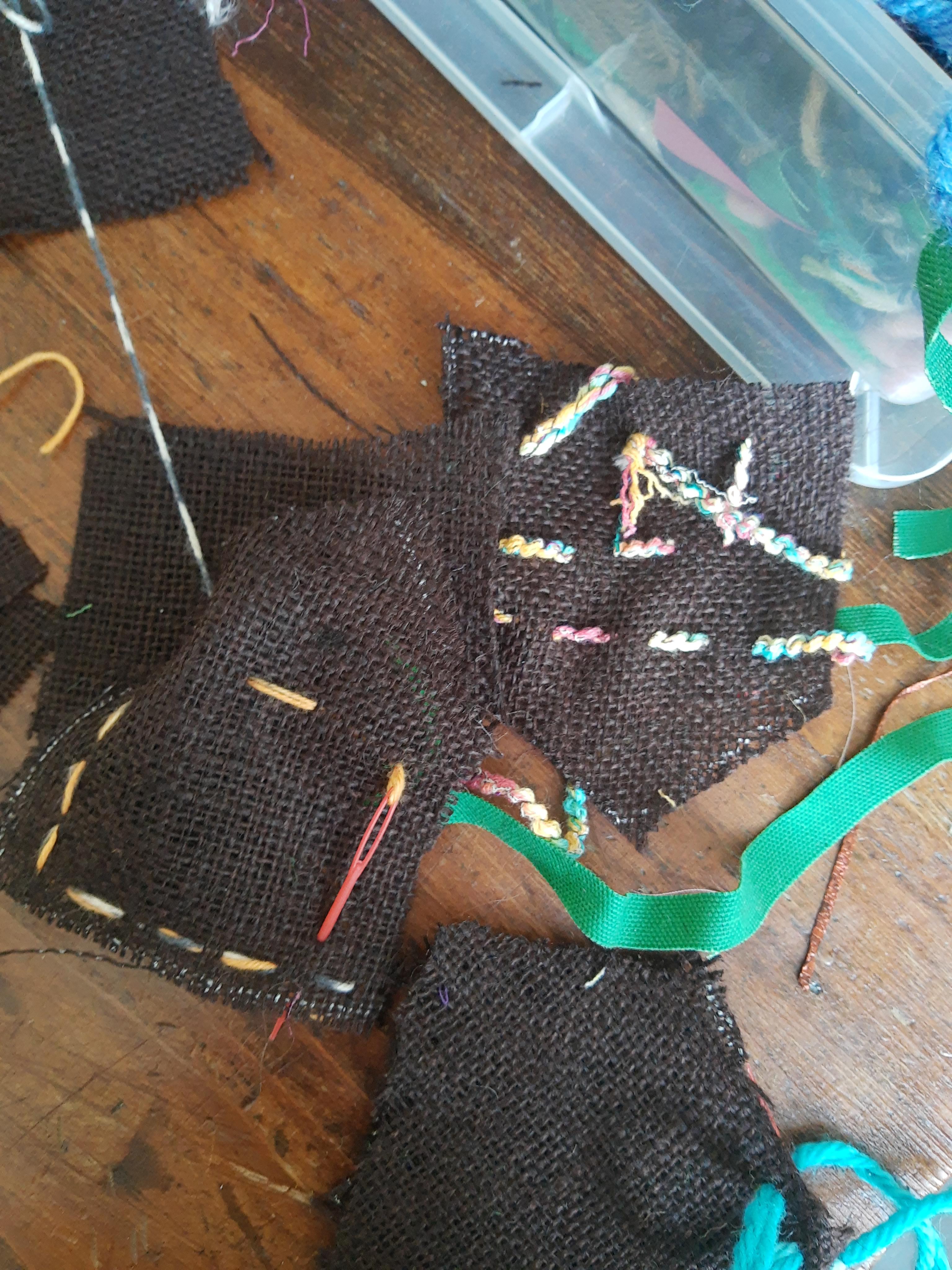
In the 3D/textile studio, students experimented with sewing lines into fabric and sculpting with modeling clay.

At the end of class, I asked students to share their favorite studio and why they liked it the best. This was a great way to introduce students to different art media and see which studios they enjoyed the most.