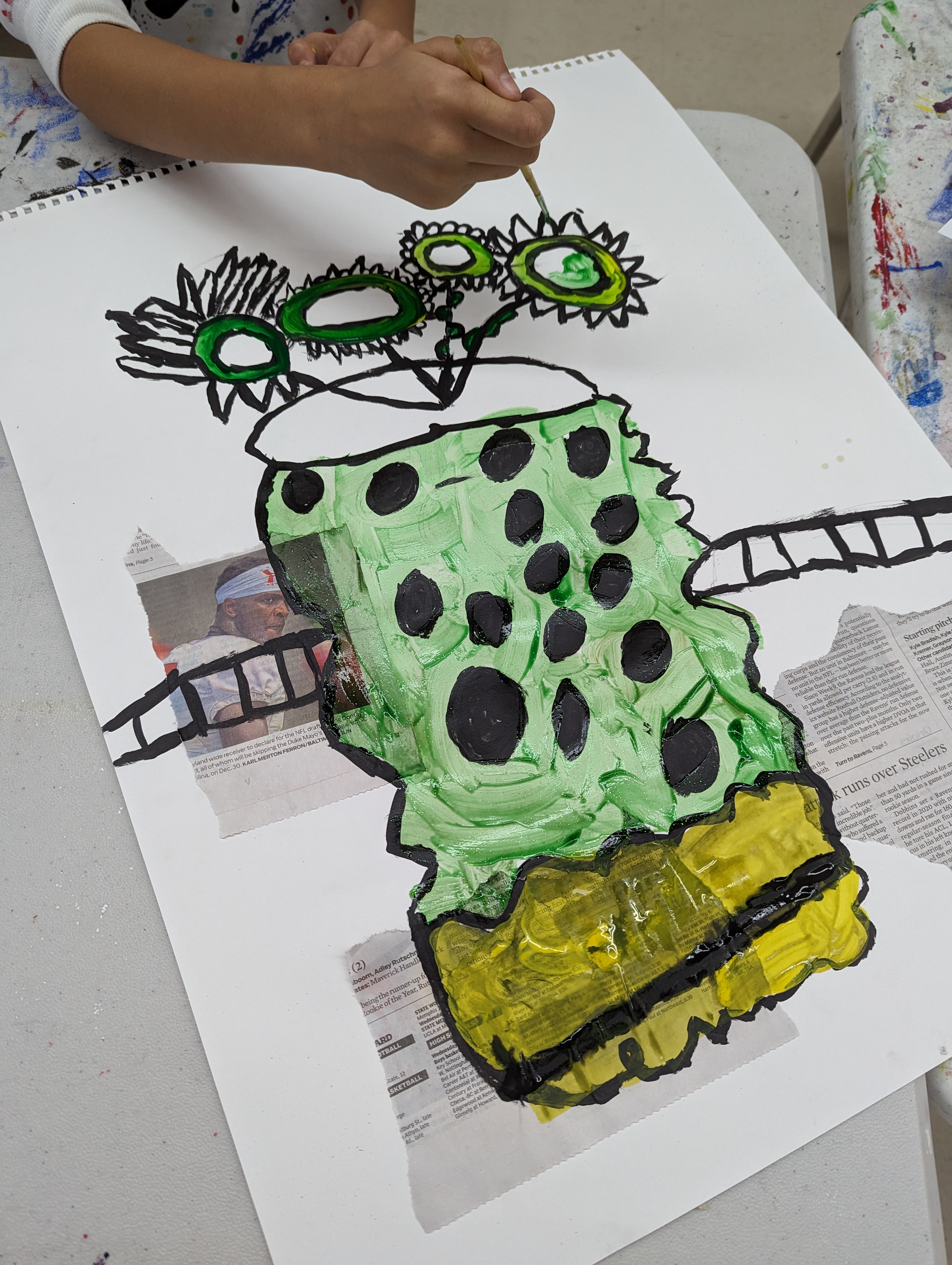
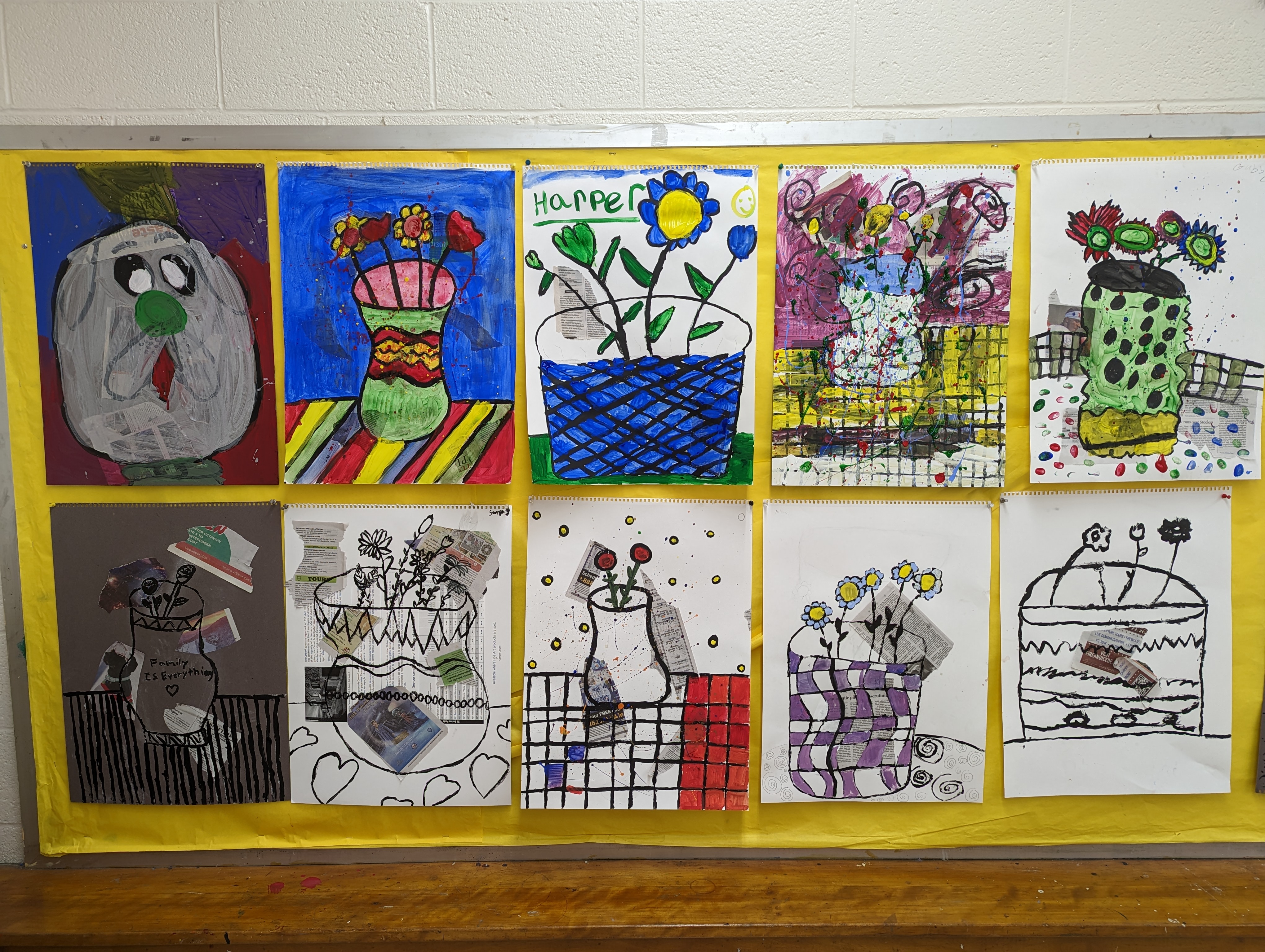
I taught a Saturday art class in the winter and the kids made some fabulous still life artwork. They glued newspaper scraps to the paper then drew an outline in pencil and then traced in black acrylic paint. Then, students painted everything in with colorful tempera and added patterns and designs.
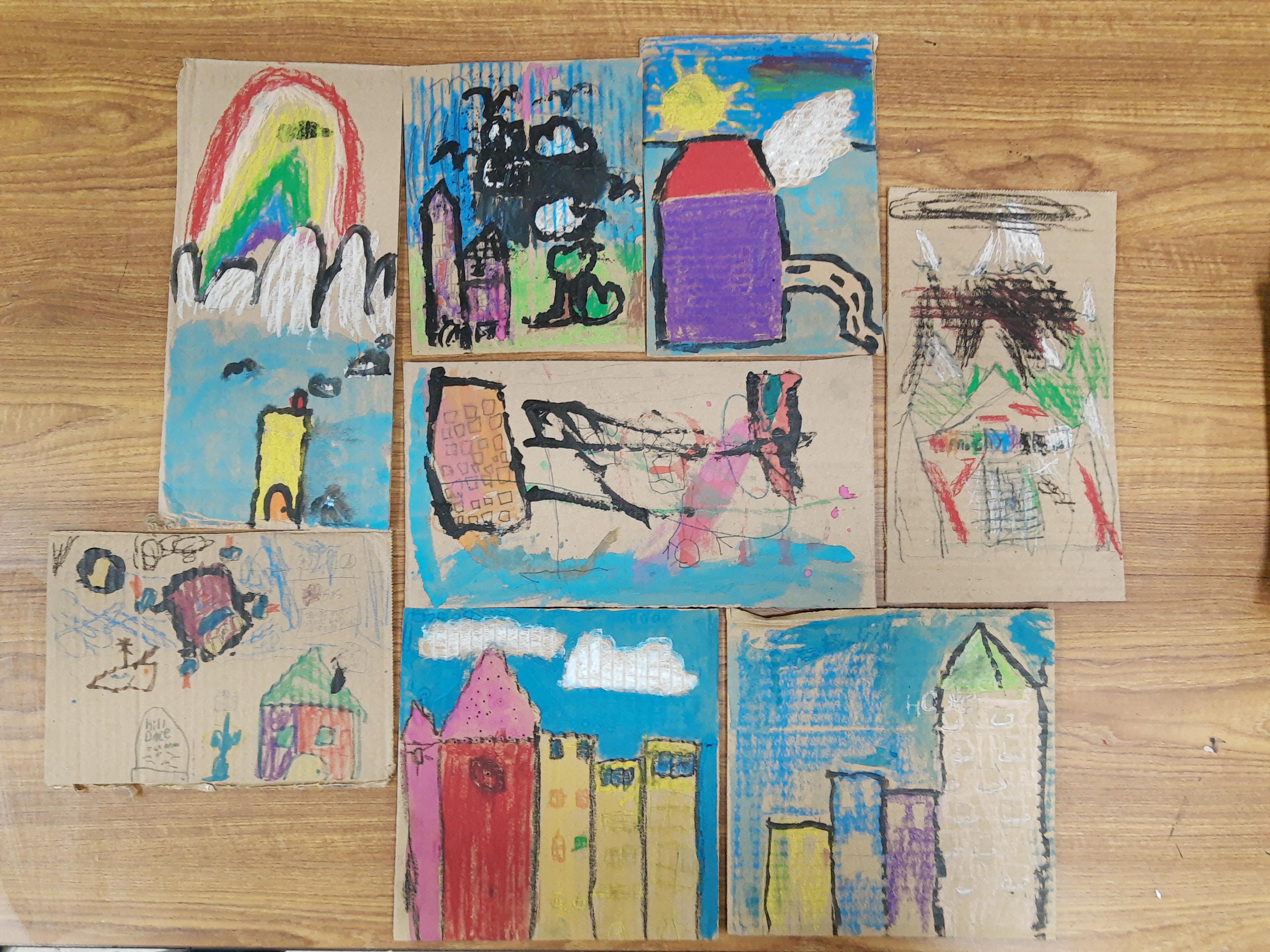
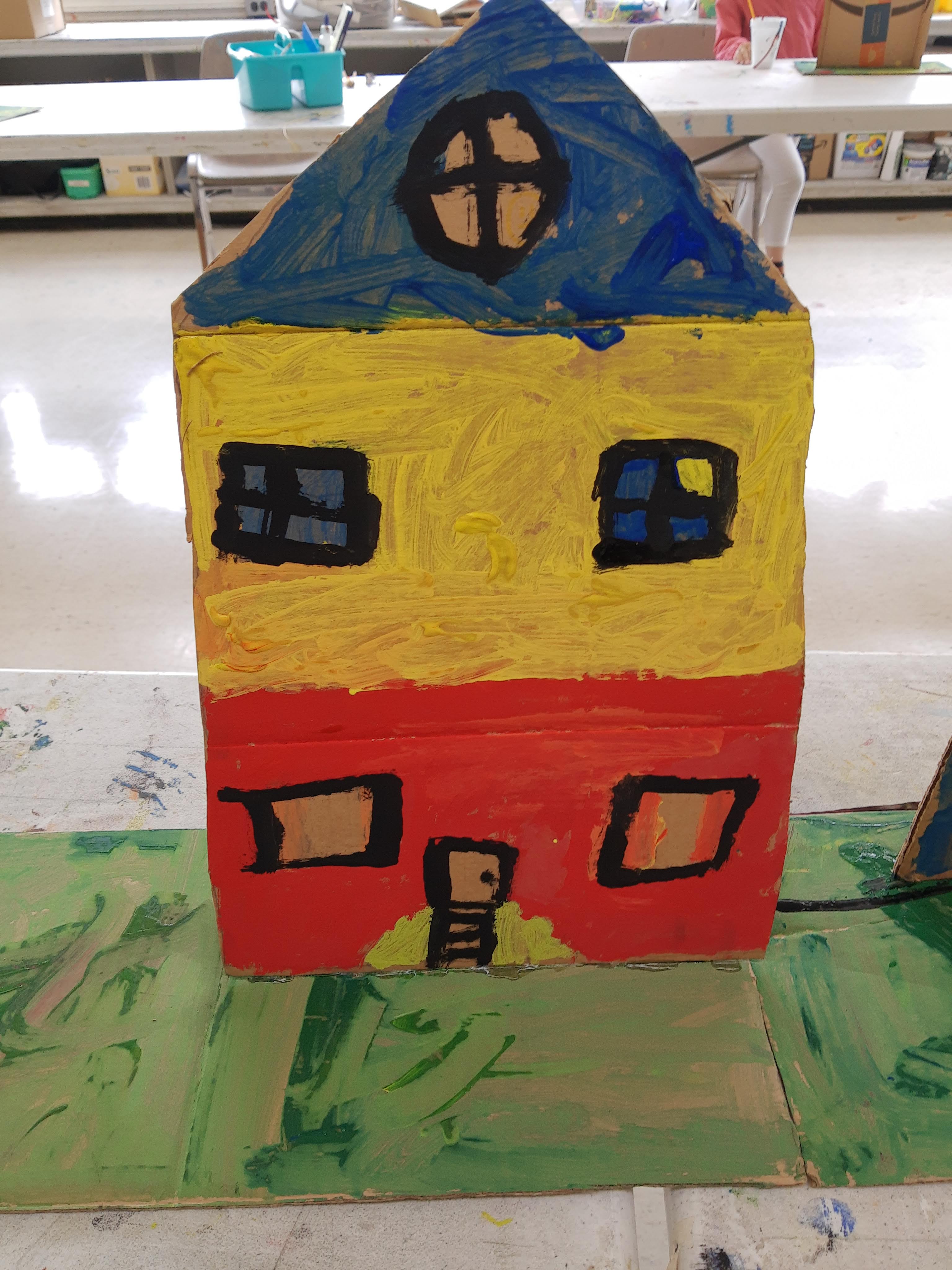
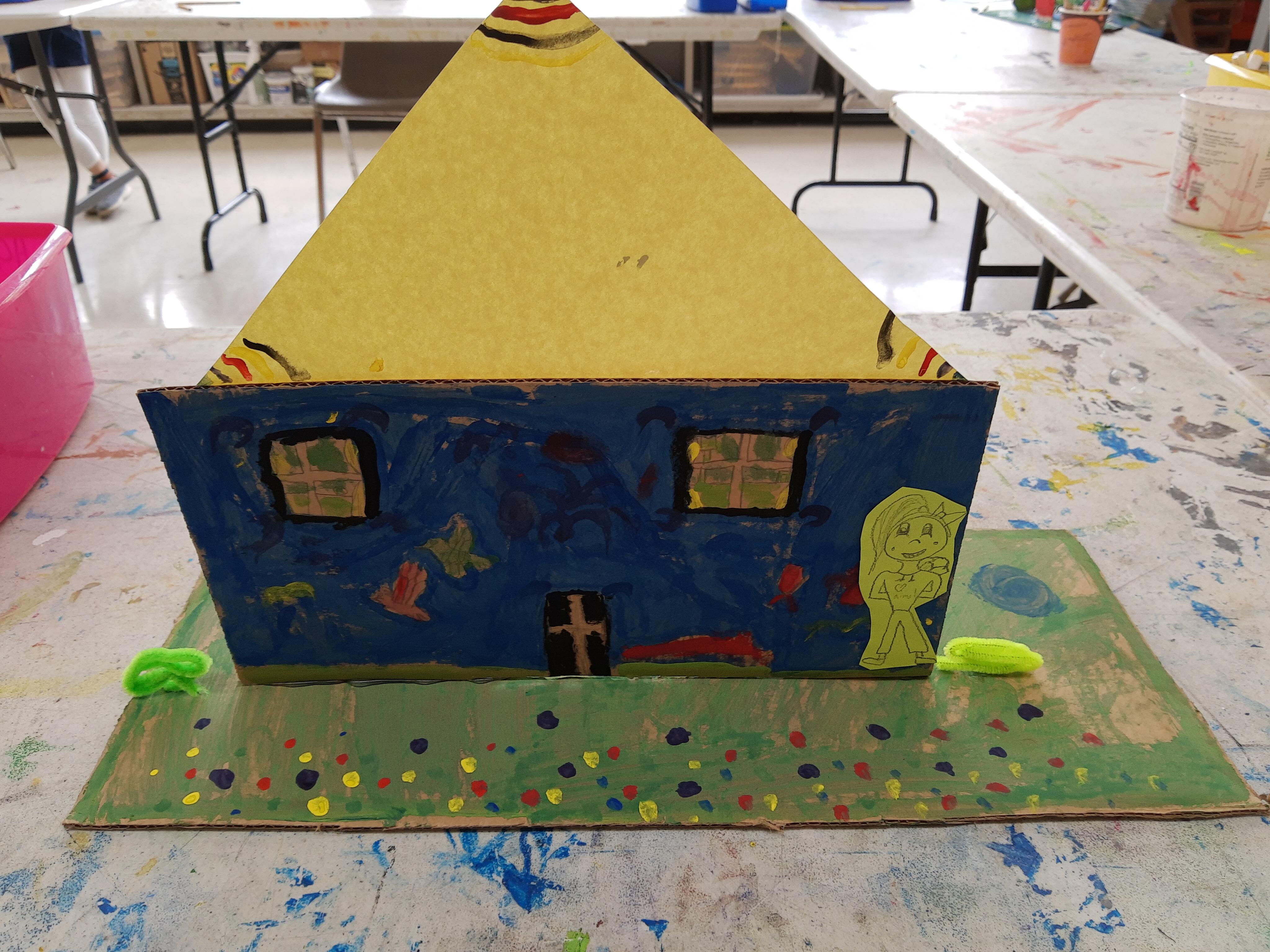
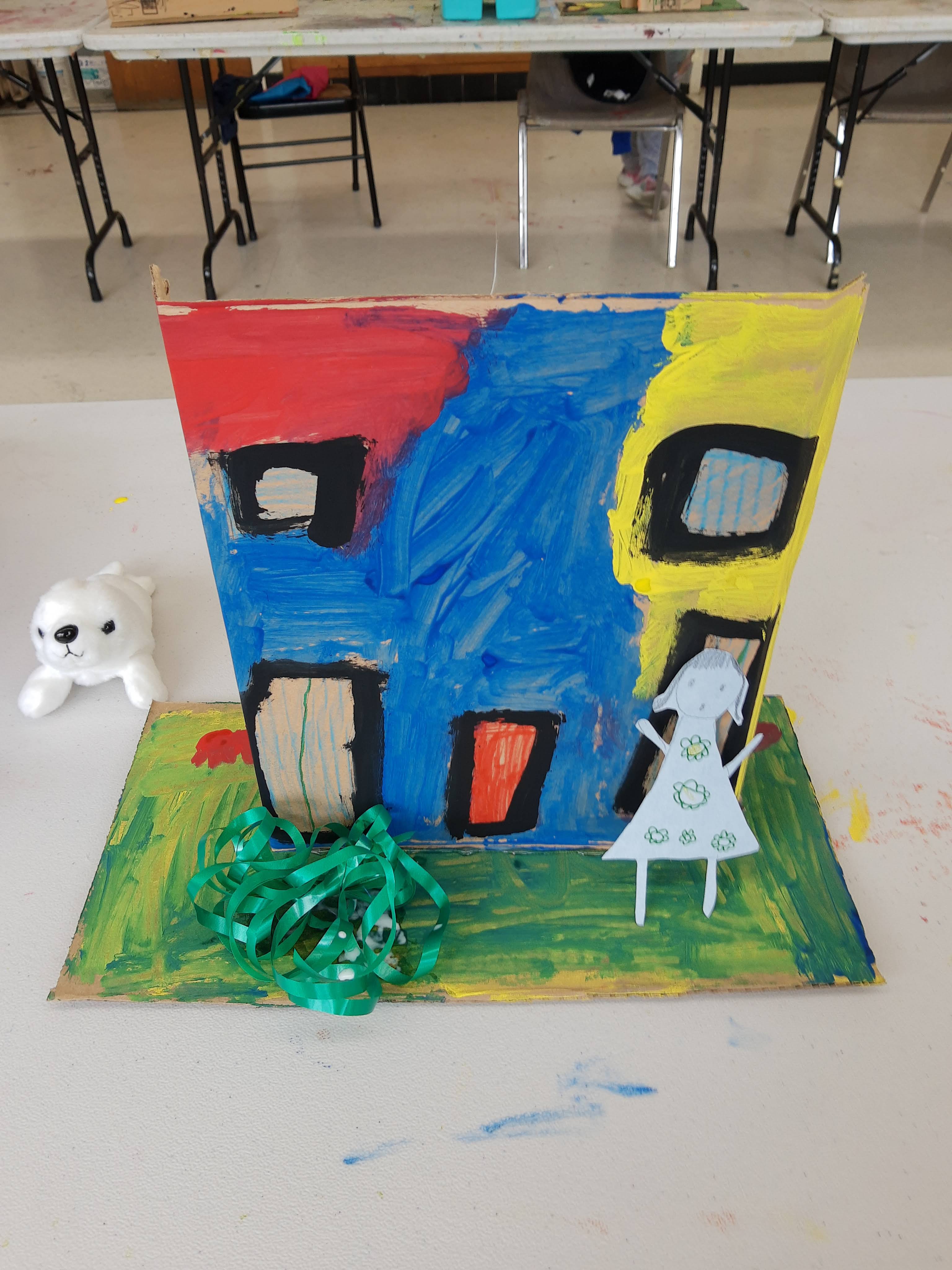
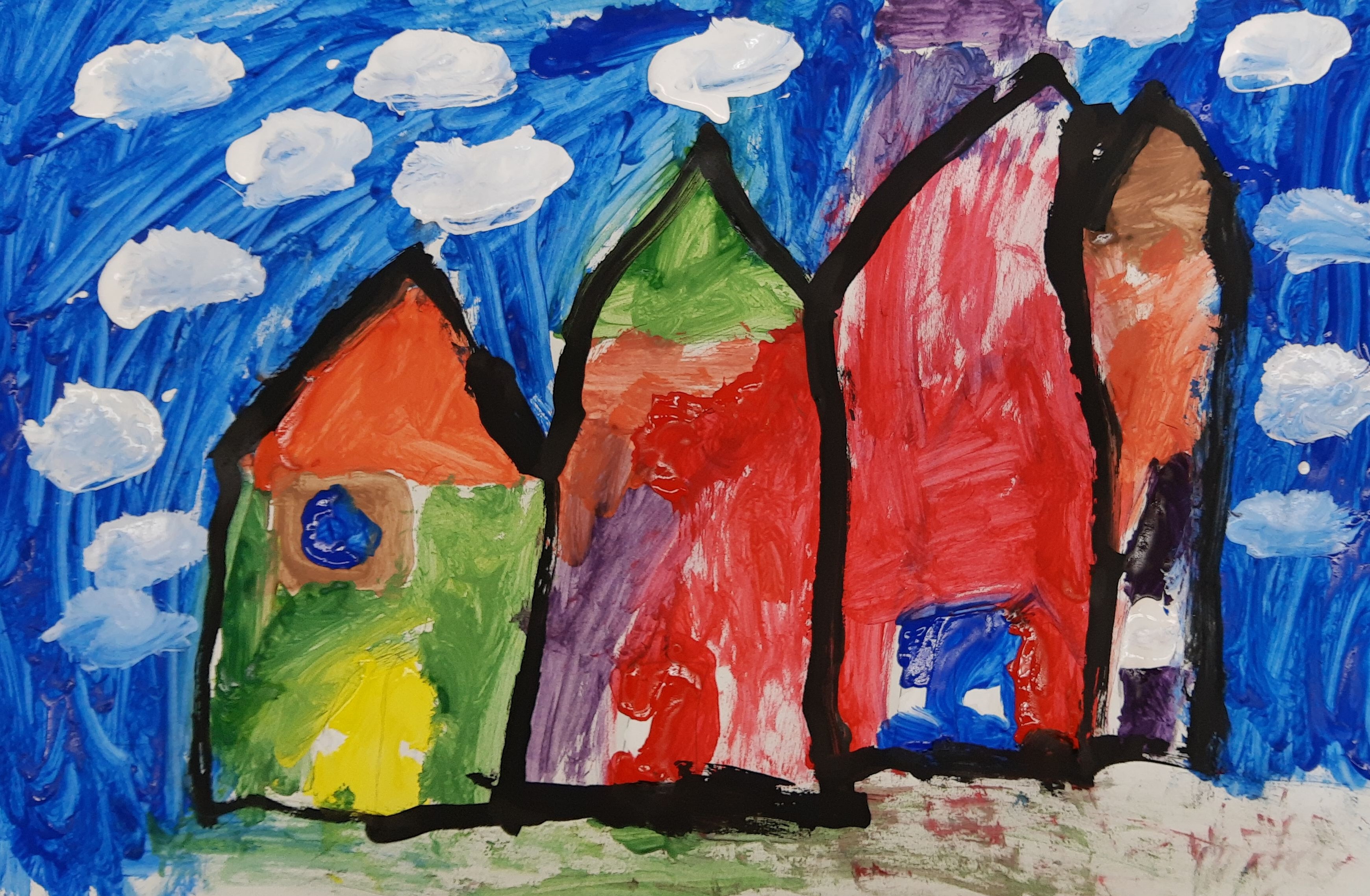
This is from a while ago, perhaps a year ago. But I did this project with my lower elementary students. We learned about Jacob Lawrence and his cityscapes, and then students drew a city with oil pastel. Then, they added black outlines on top with acrylic paint and extra colors with tempera paint. Everything was drawn on cardboard because toned paper adds an extra element of pizzazz. So here they are:
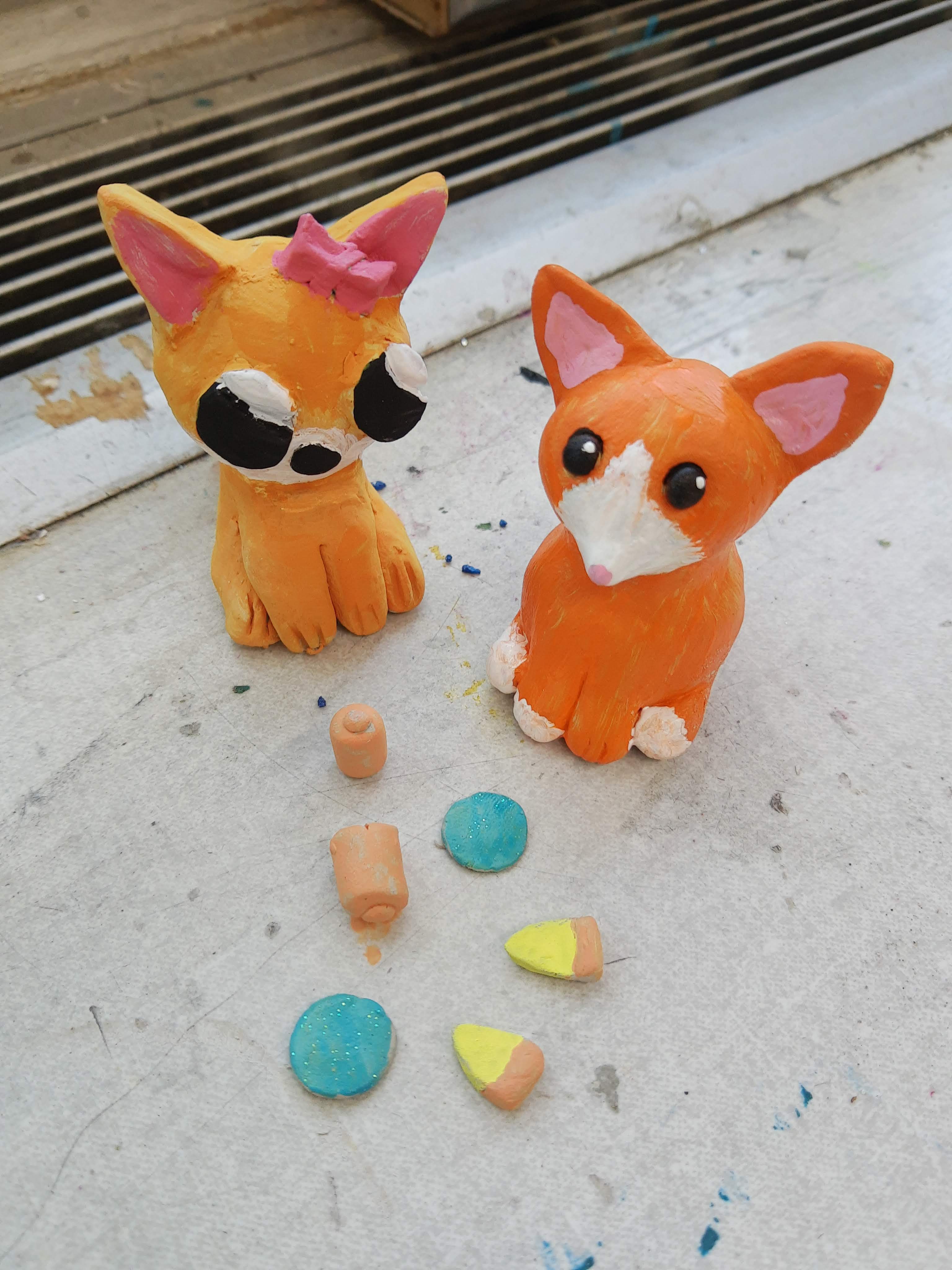
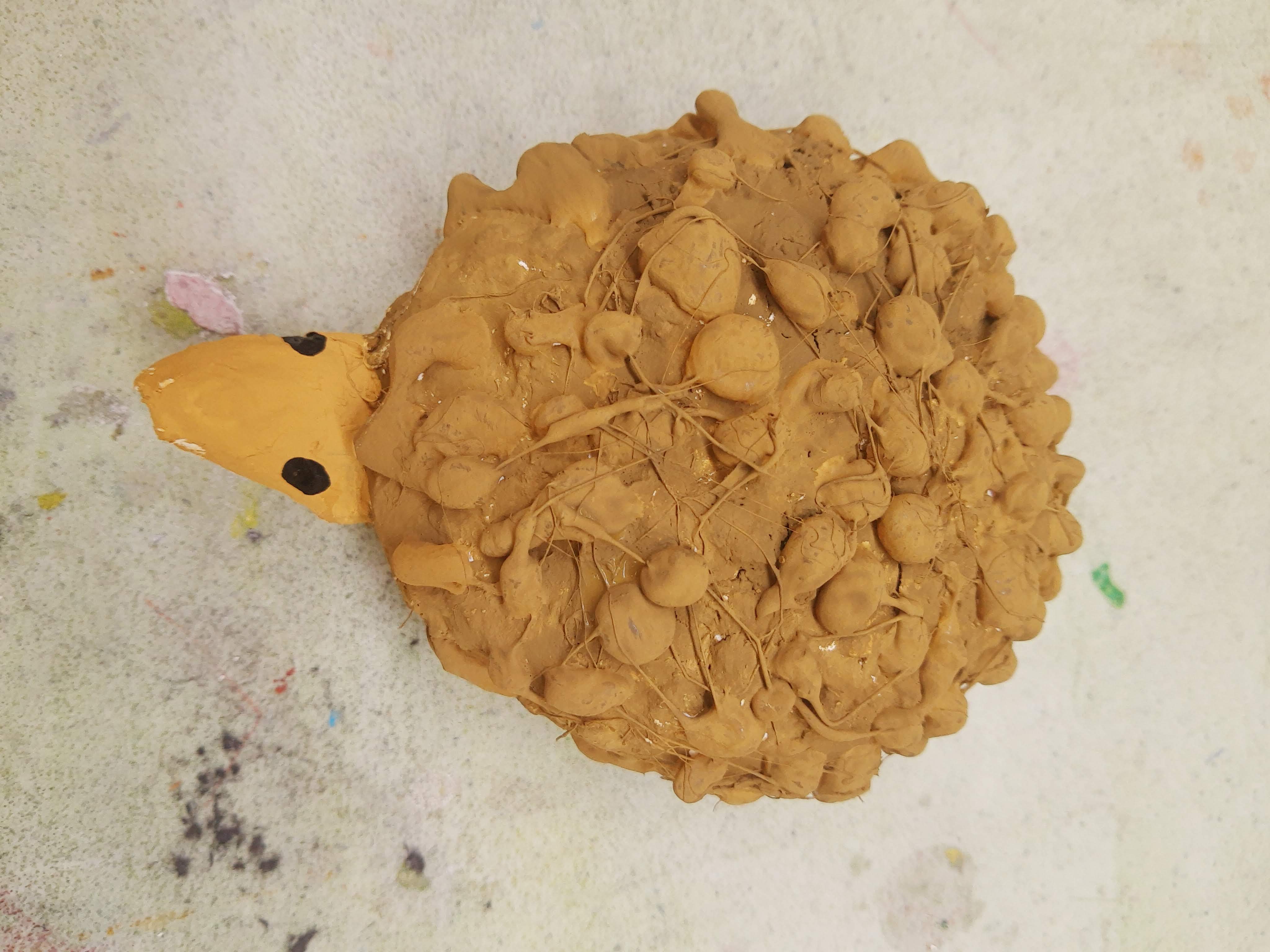
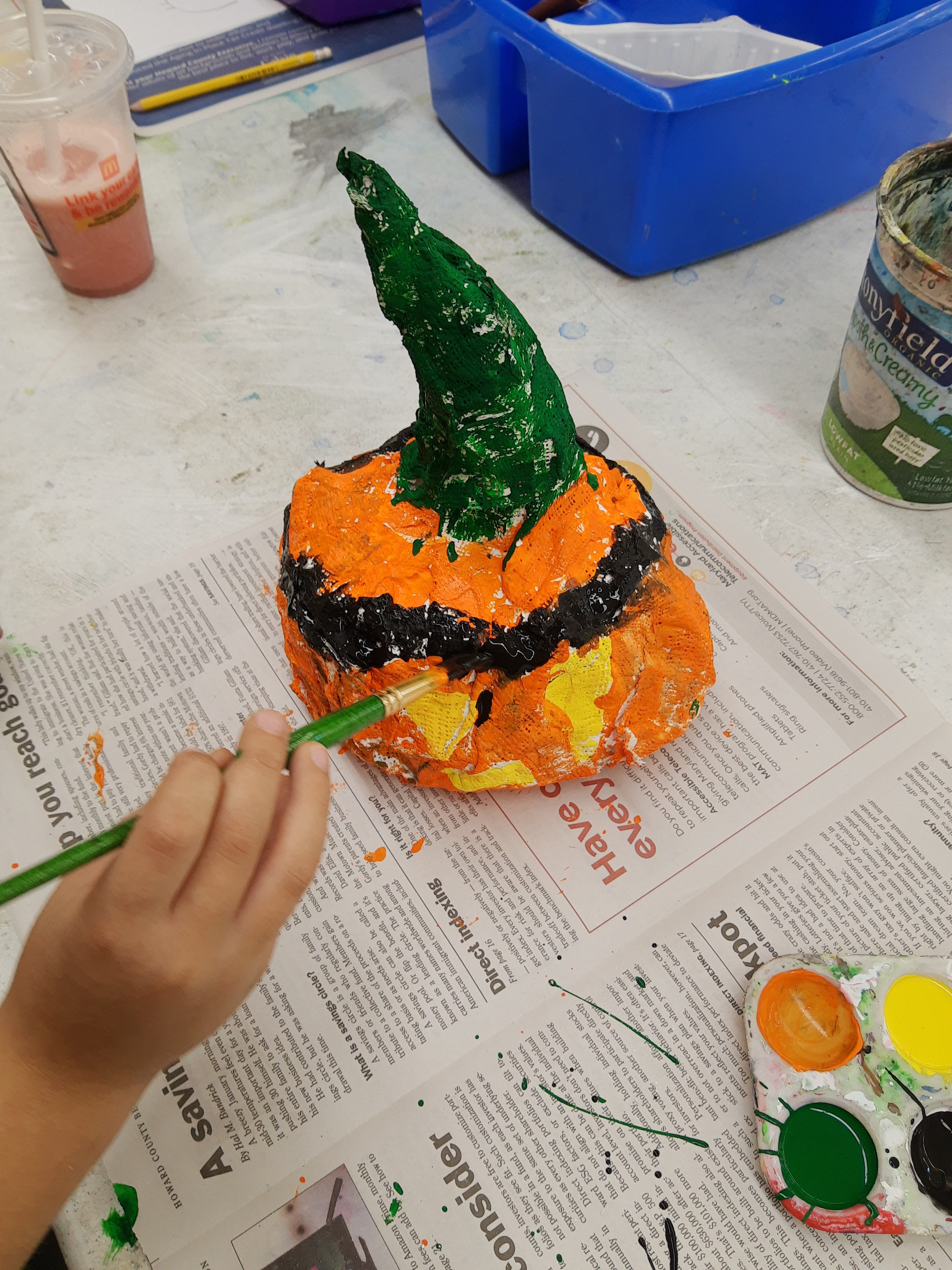
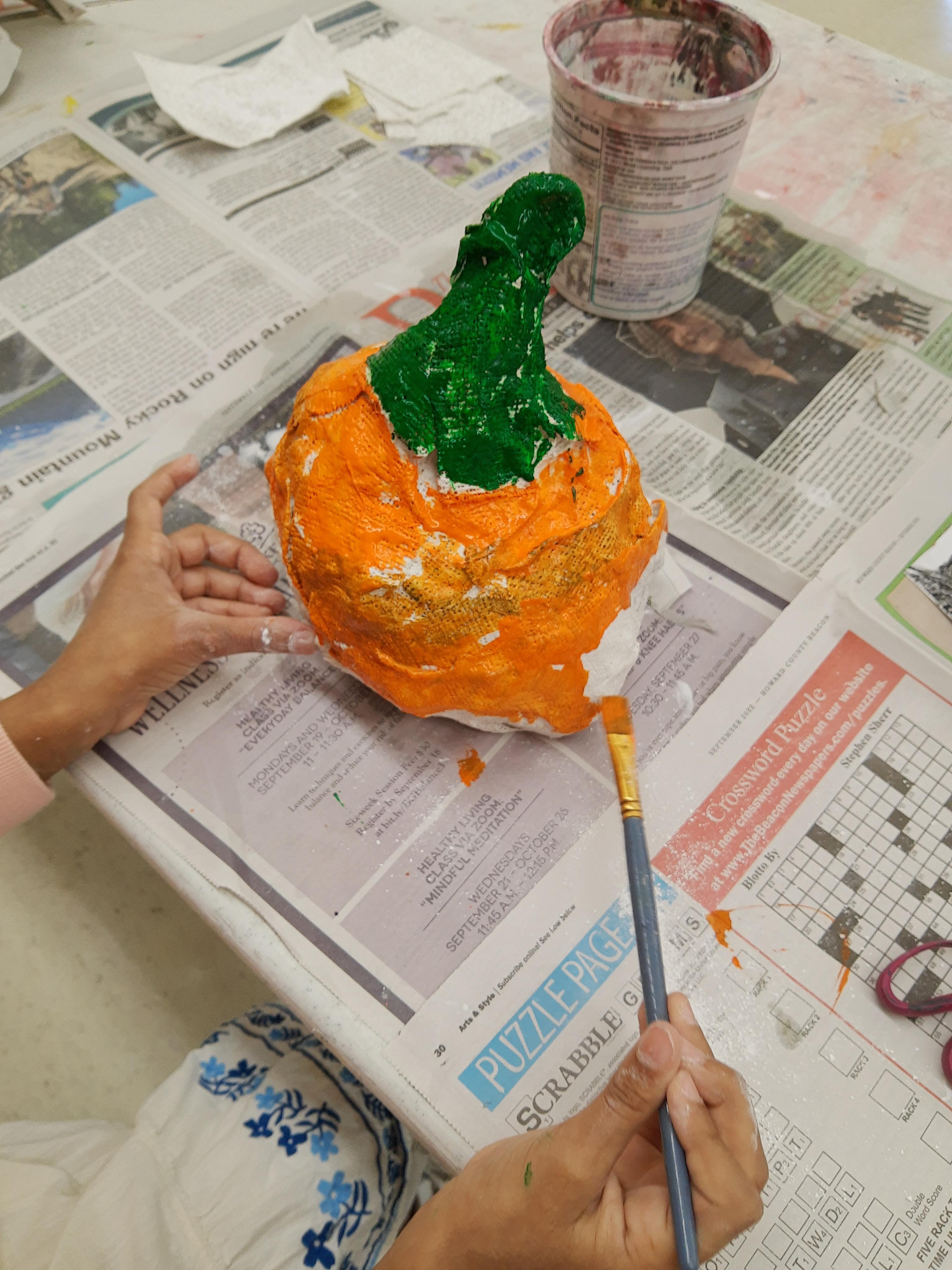
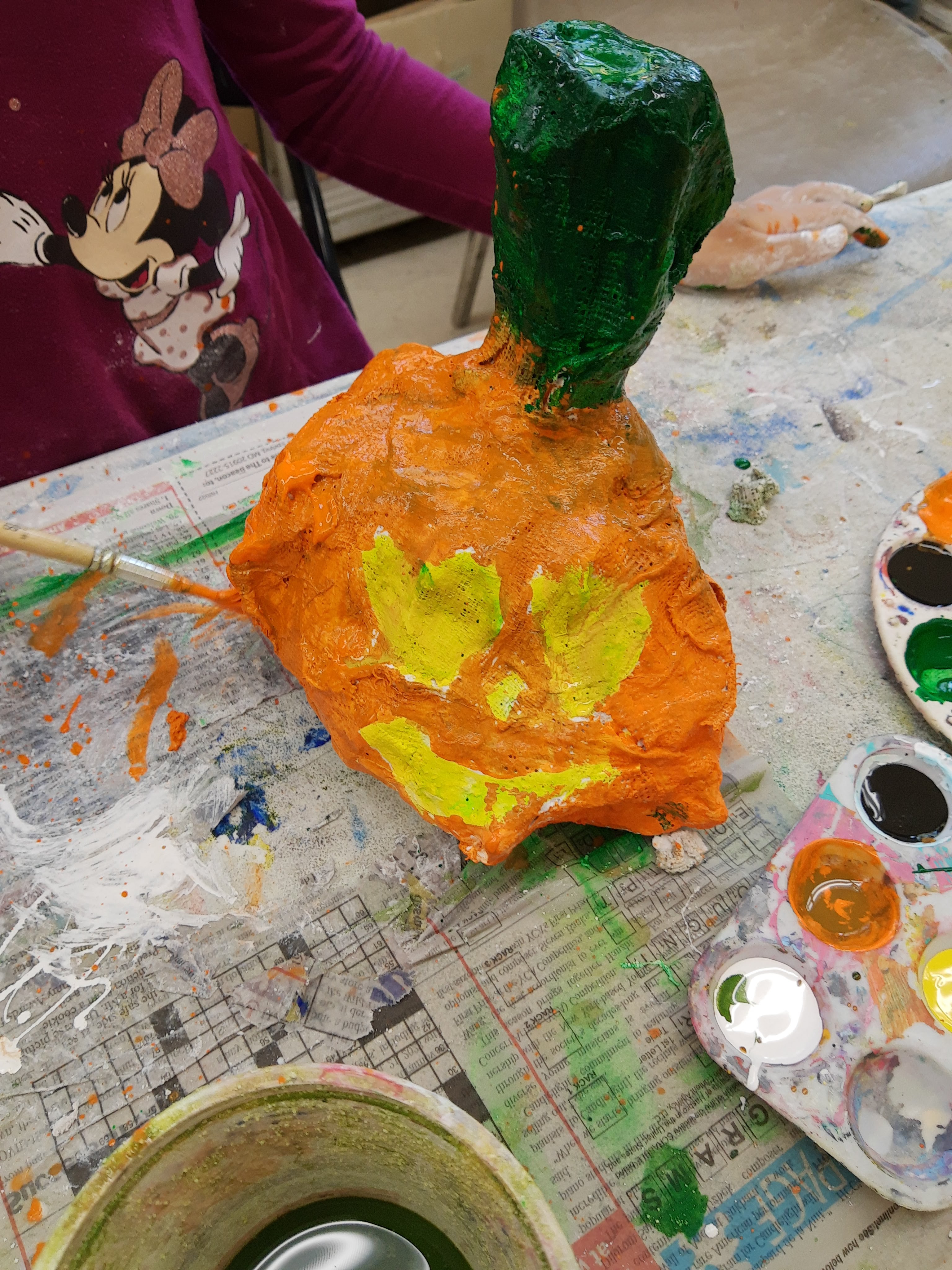
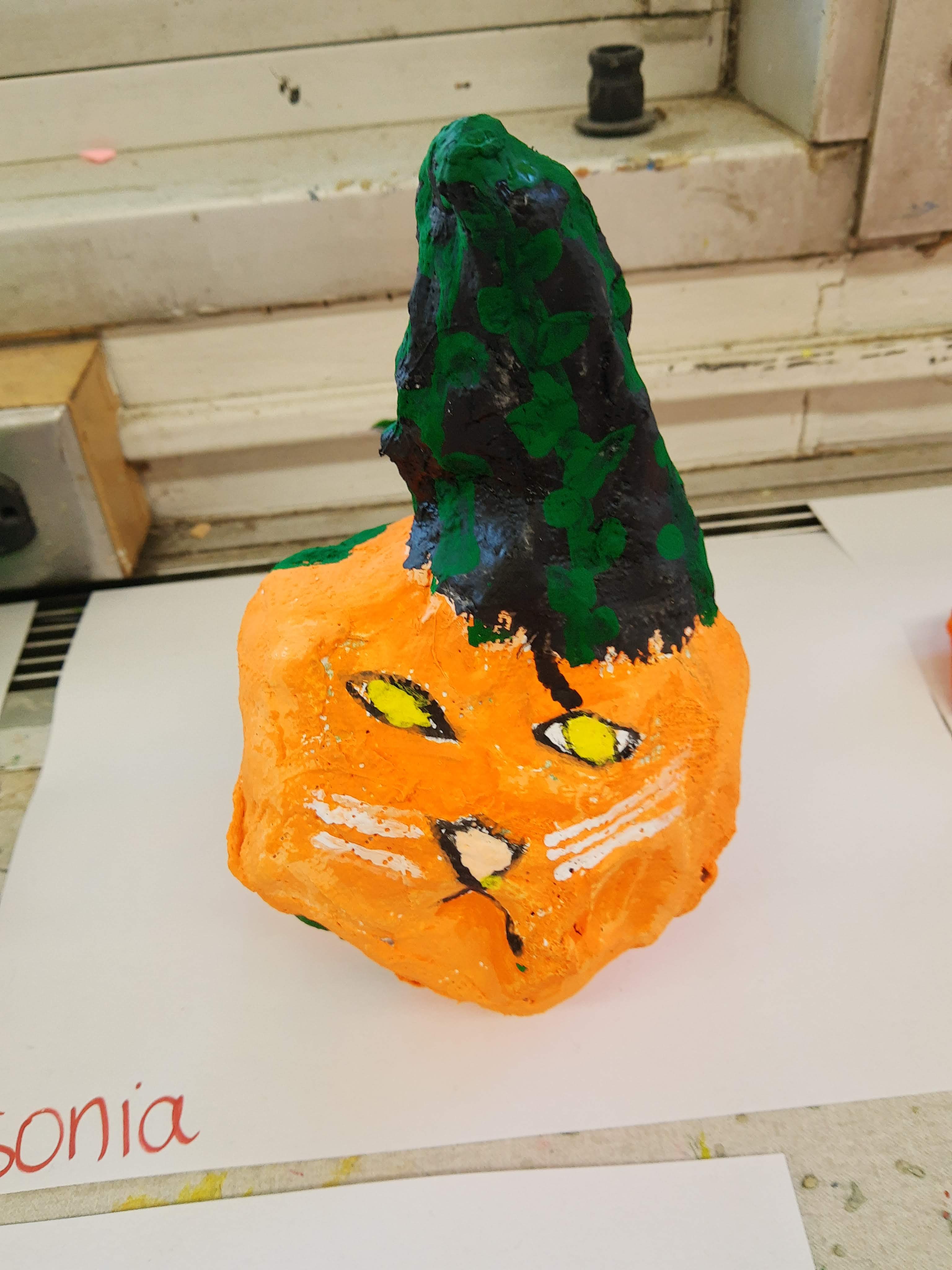
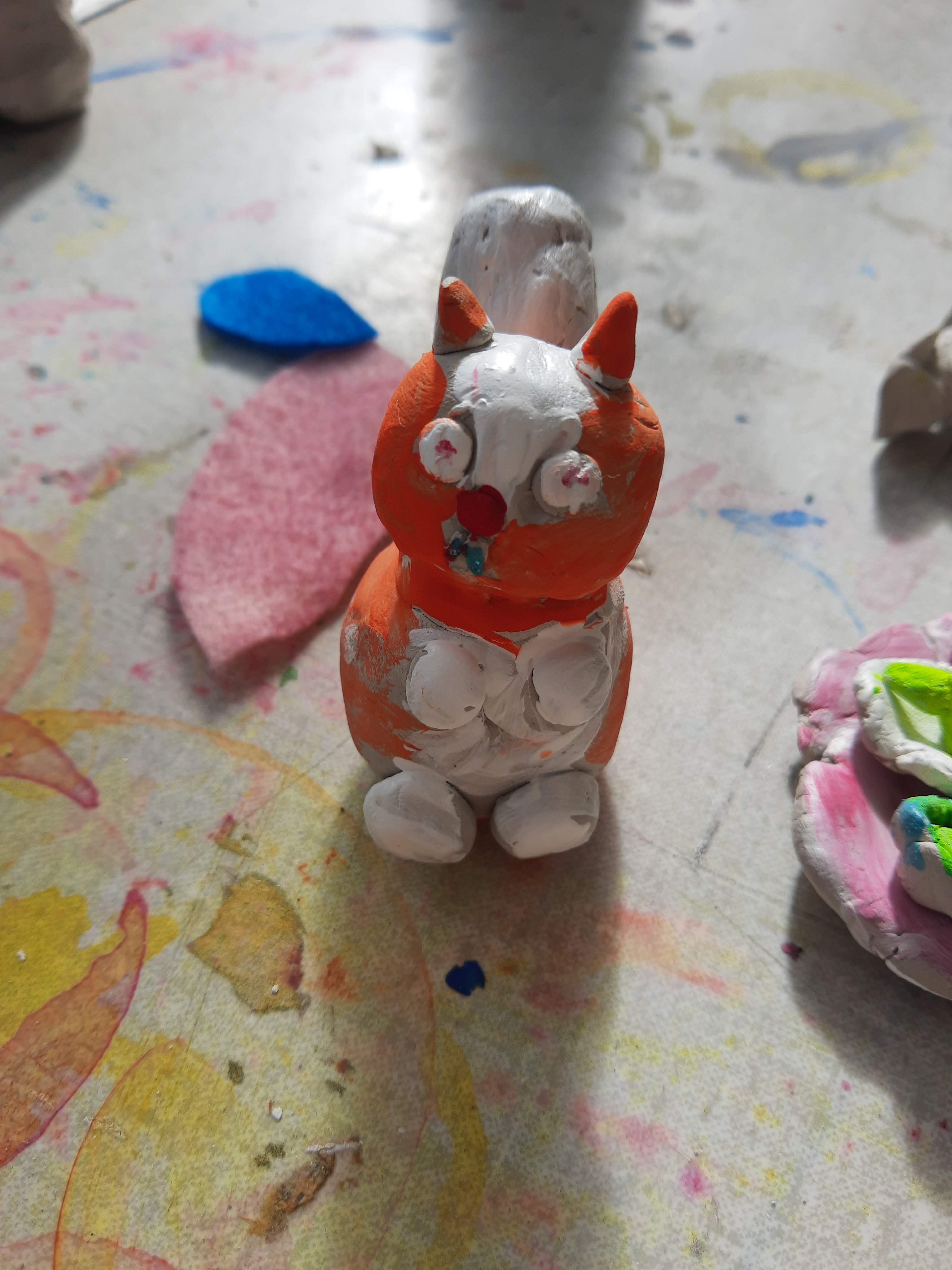
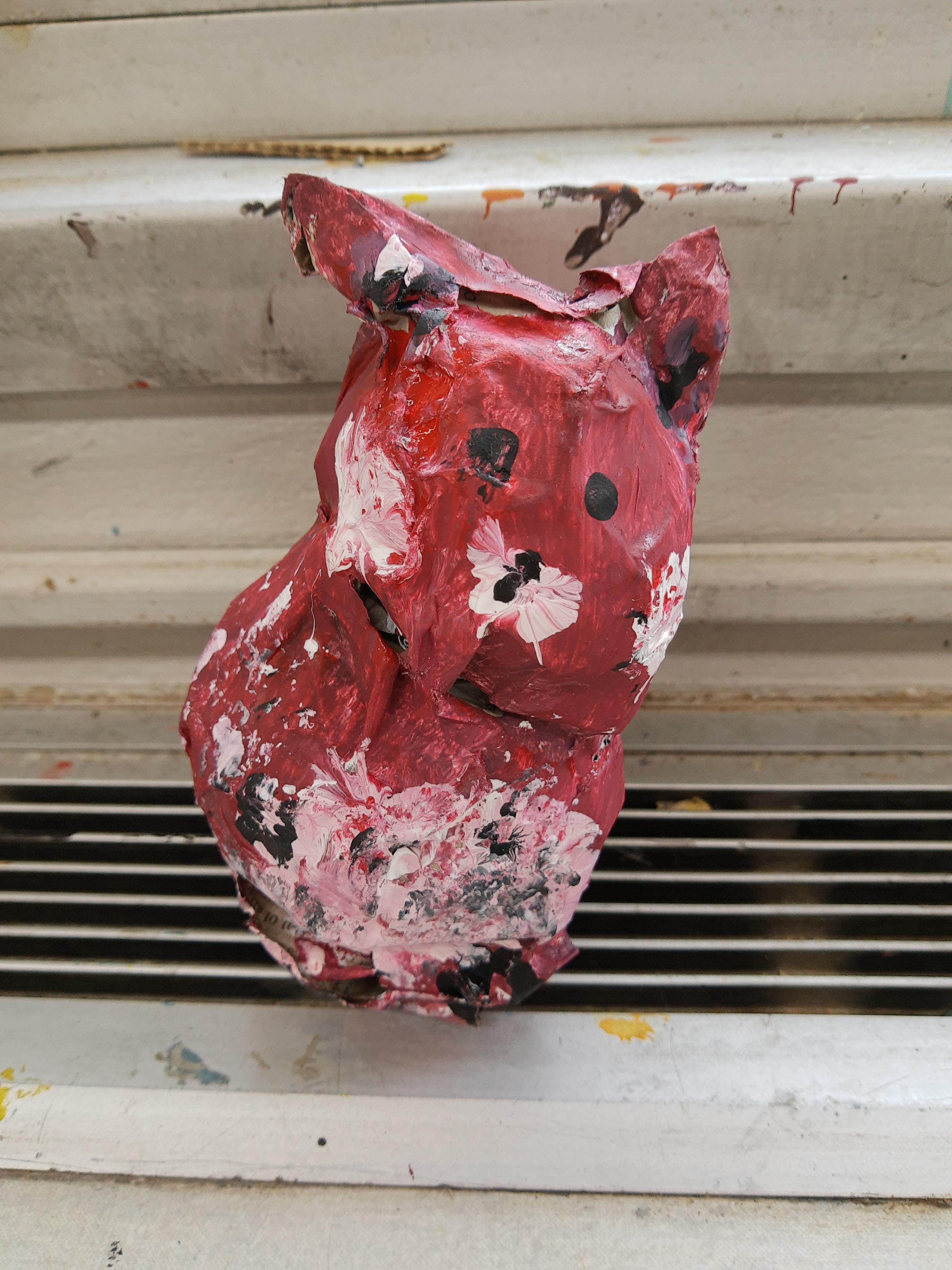
For my Saturday art class this fall, I taught students how to create a lot of sculptures. We started out using clay and students designed sketches of what they wanted to create and then used clay techniques to put together their clay pieces (with air dry clay). They painted their sculptures with tempera. We also made plaster strip sculptures. Students created their base with balled up newspaper and tape and then went over the newspaper with plaster strips. My little kids made pumpkins/jack-o-lanterns and my older kids designed their own sculpture.
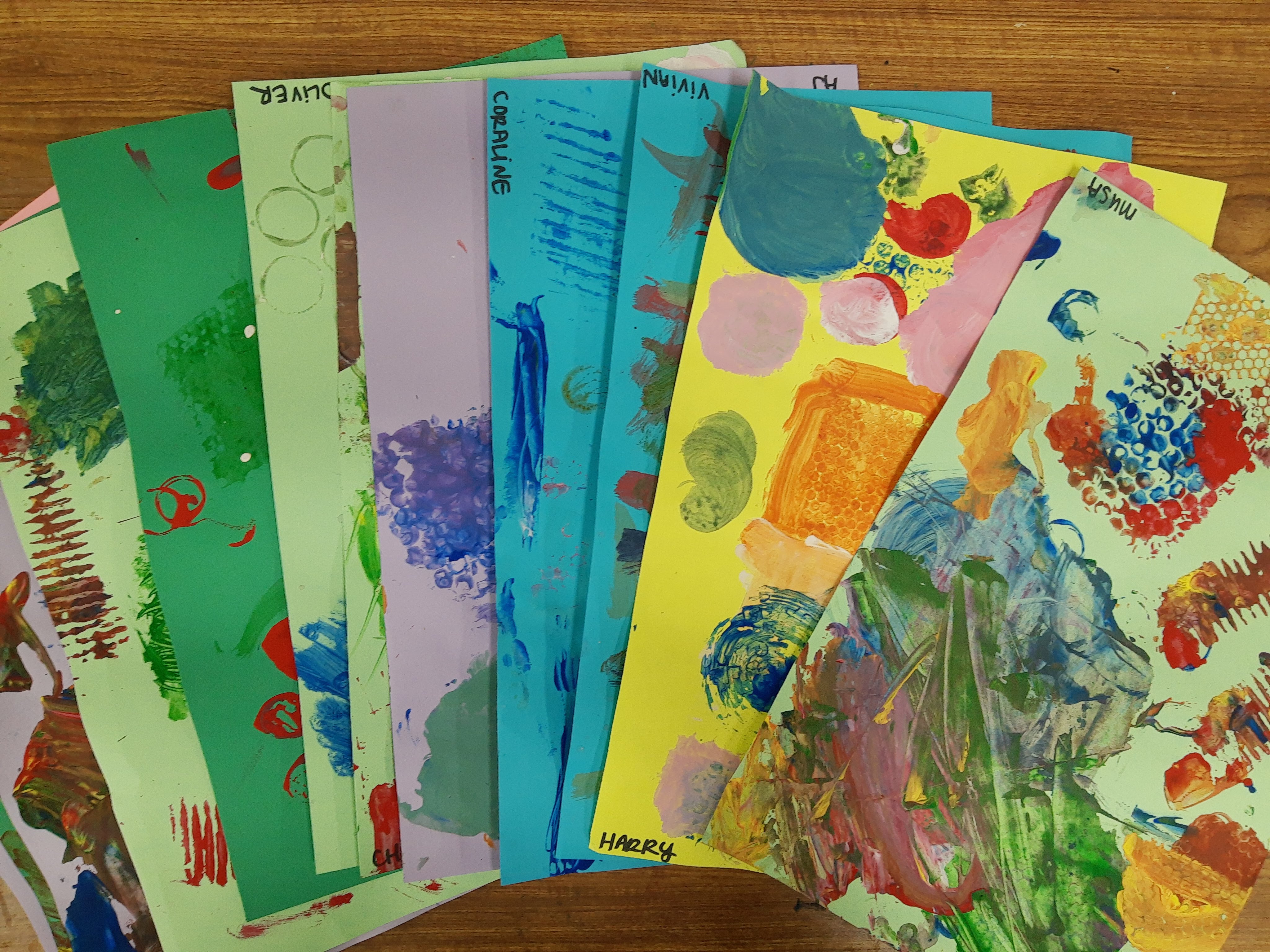
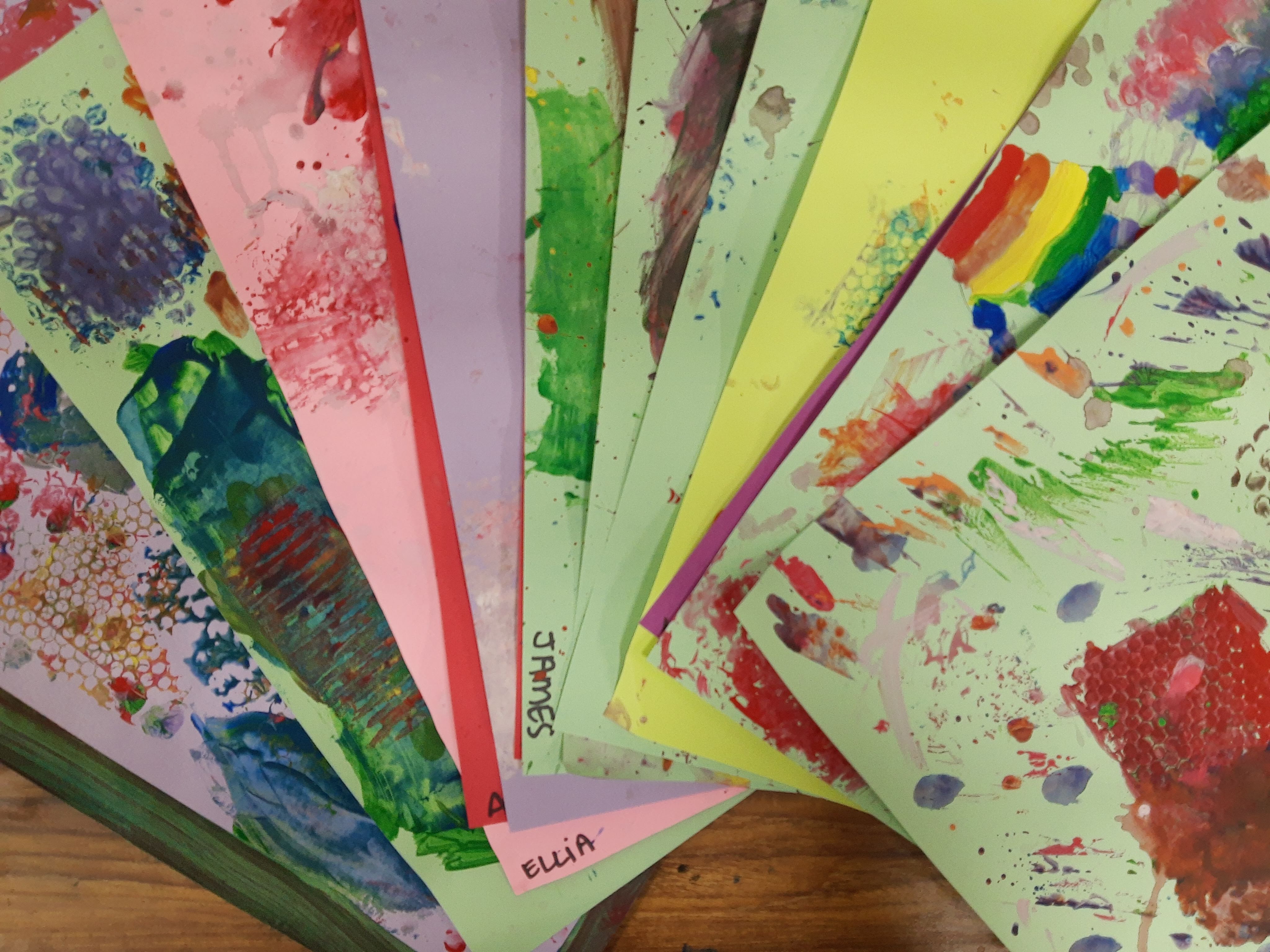
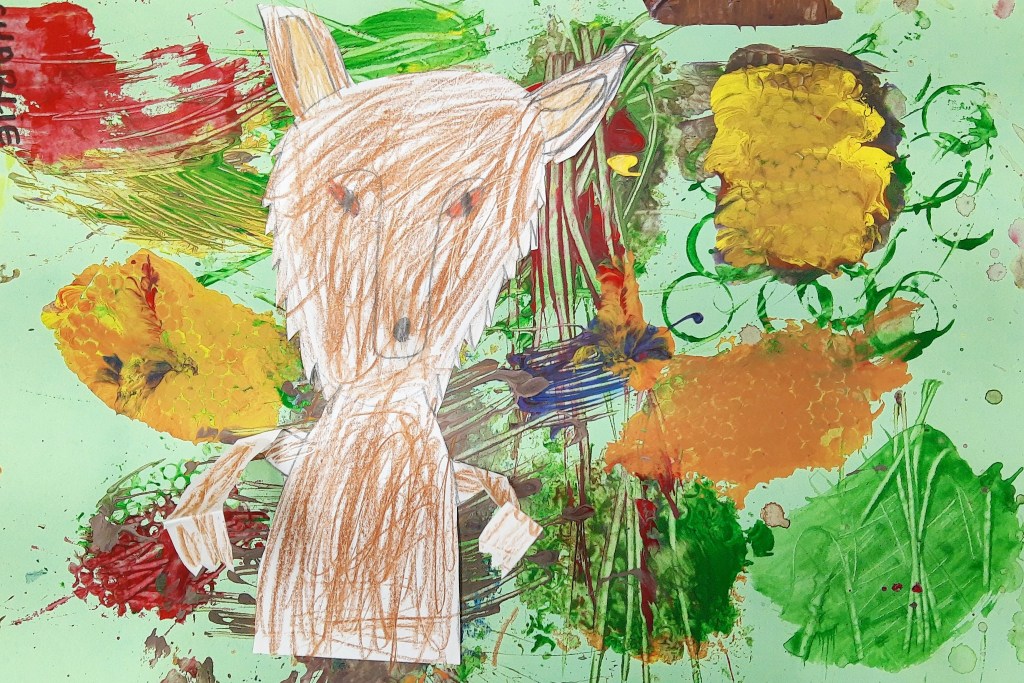
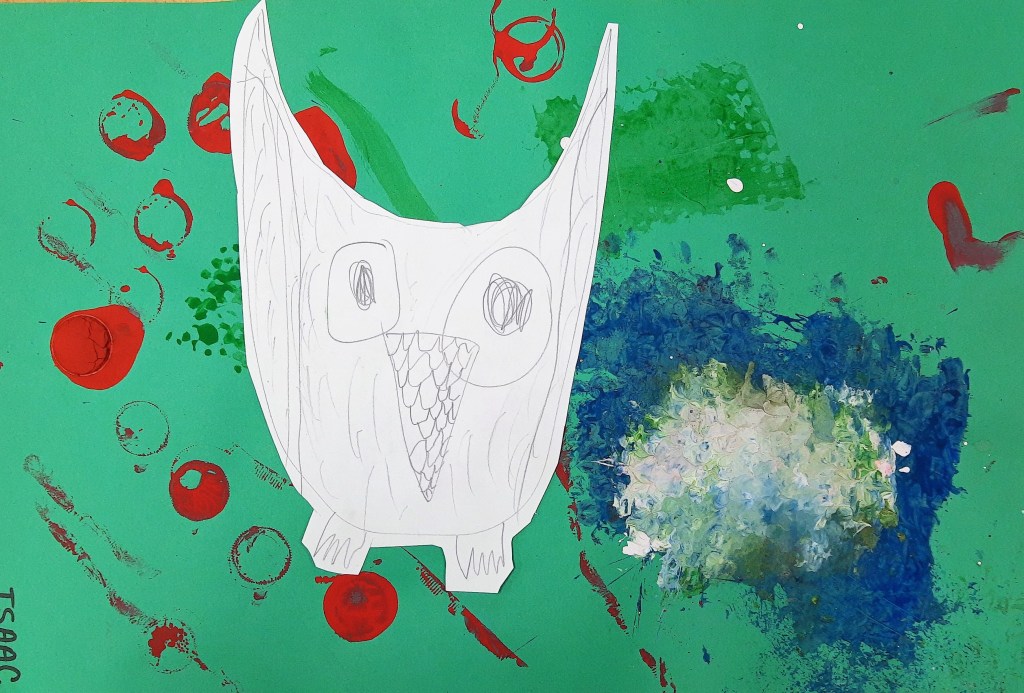
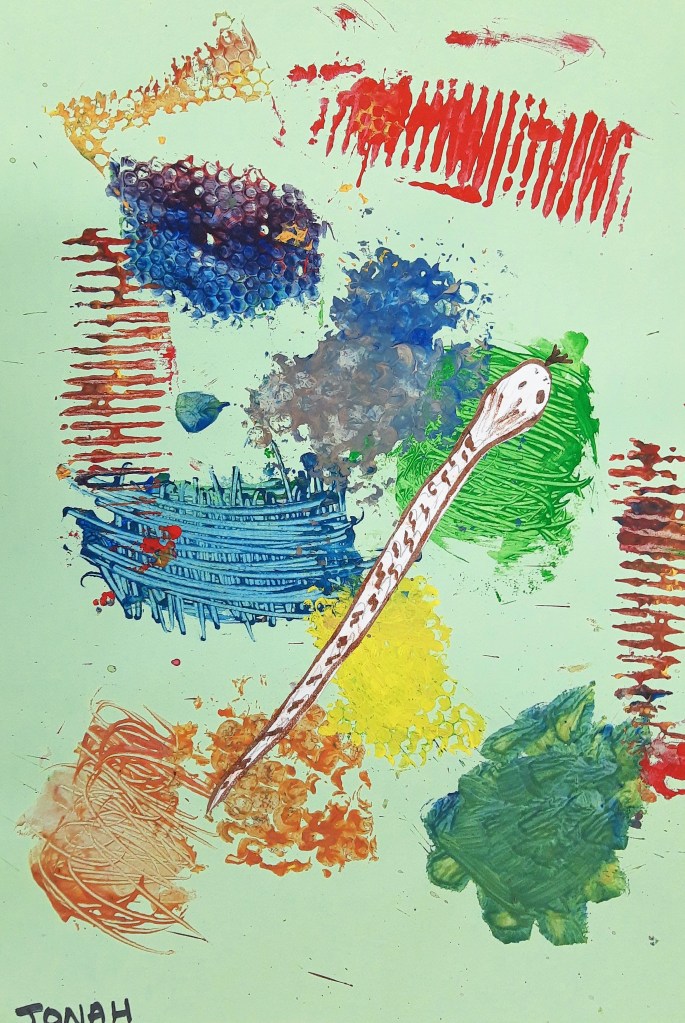
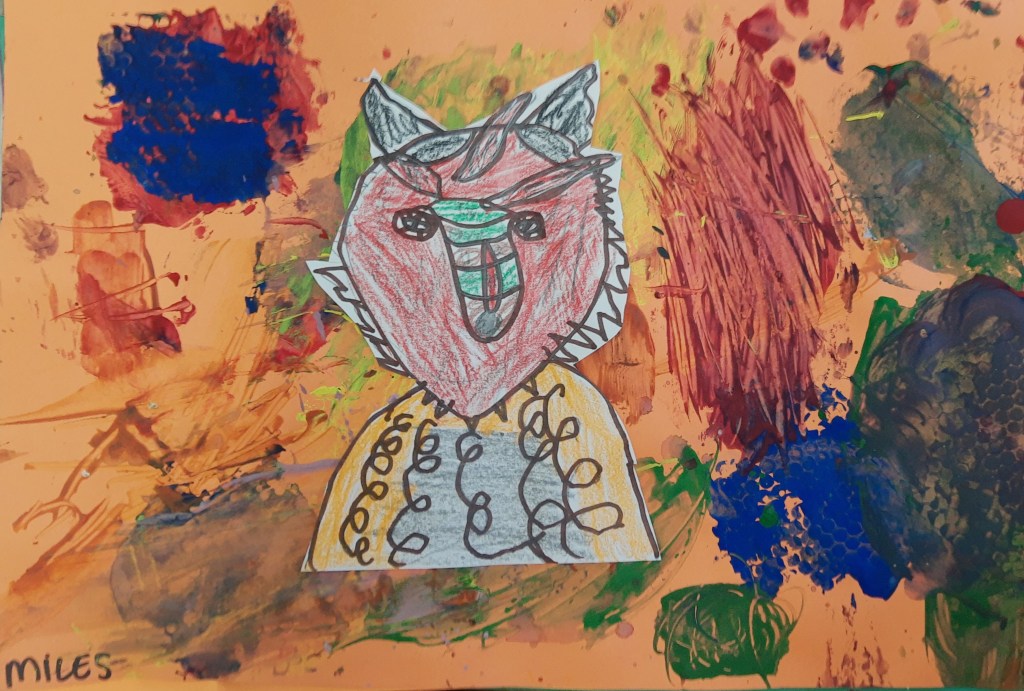
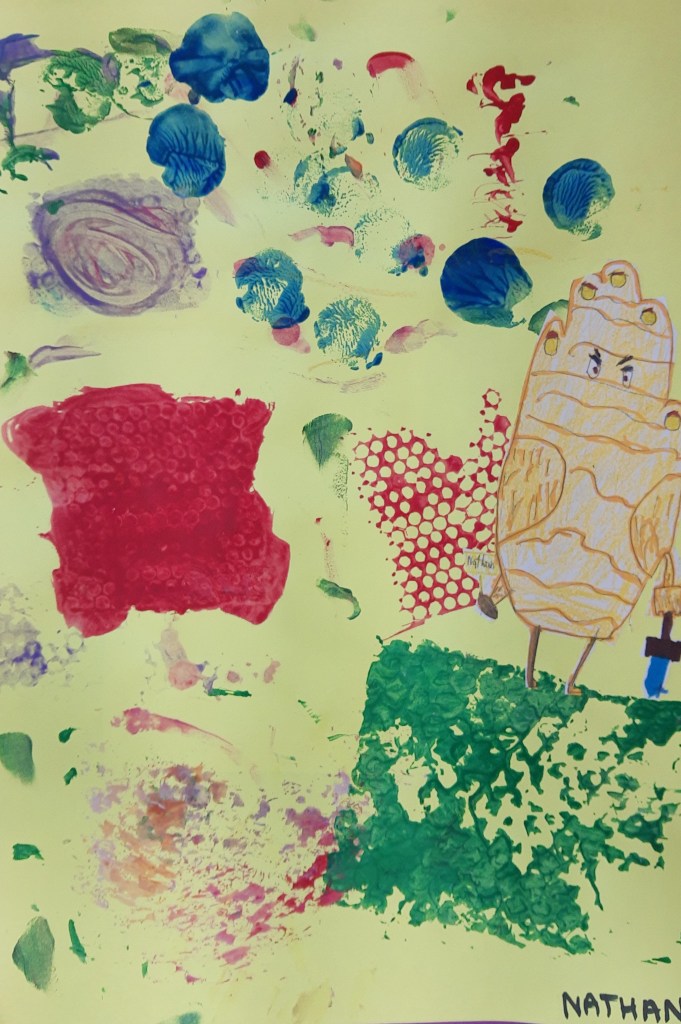
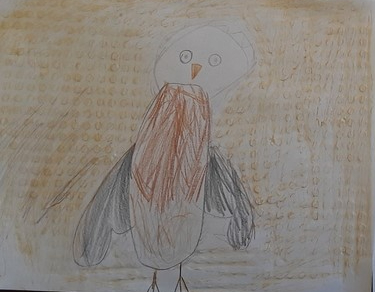
Lower elementary created textured backgrounds using tempera paint and different texture tools (bubble wrap, corrugated cardboard, palette knifes, bottle caps).
Students then created texture animals on top of the backgrounds. We talked about how we can make the appearance of texture with lines and shapes.
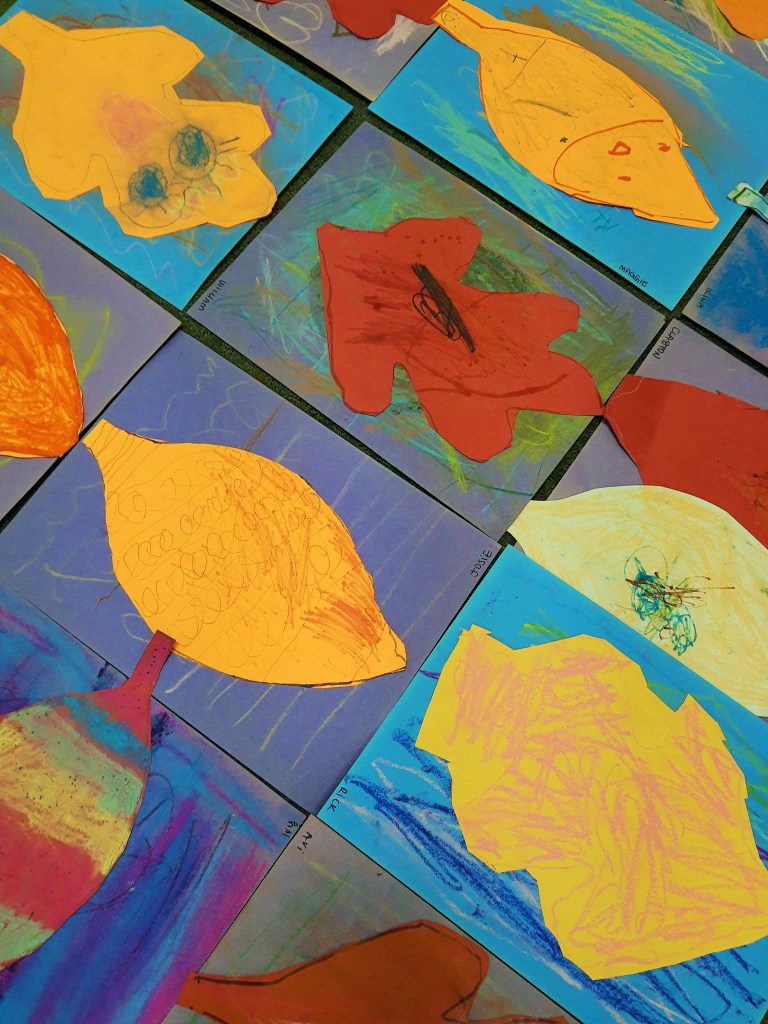
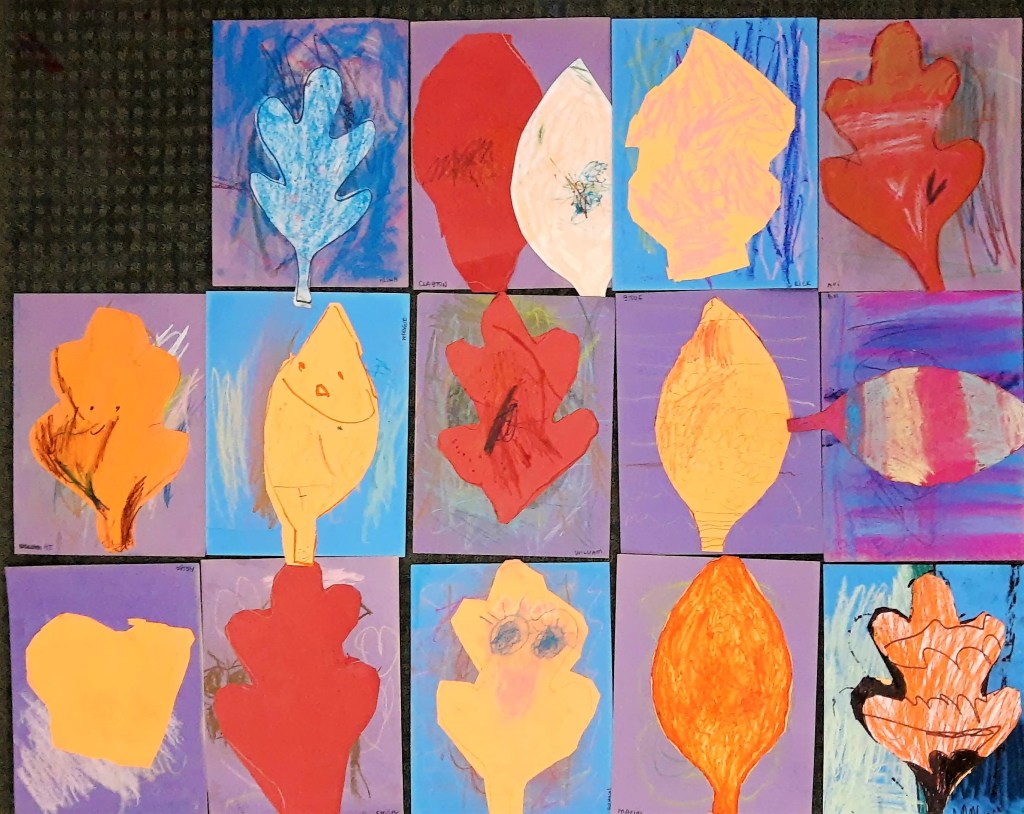
This fall, lower elementary made these lovely fall leaves using chalk pastel and construction paper. Students practiced tracing leaf templates and adding colorful patterns with chalk pastels. Students even experimented with blending and smudging the pastels together.
Kindergarten also created fall leaves using a cool colored paper for the background and a warm colored paper for the leaf. Students also practiced tracing and cutting leaves. With kindergarten, I try to do as much cutting practice as possible so students can continue working on strengthening cutting skills.
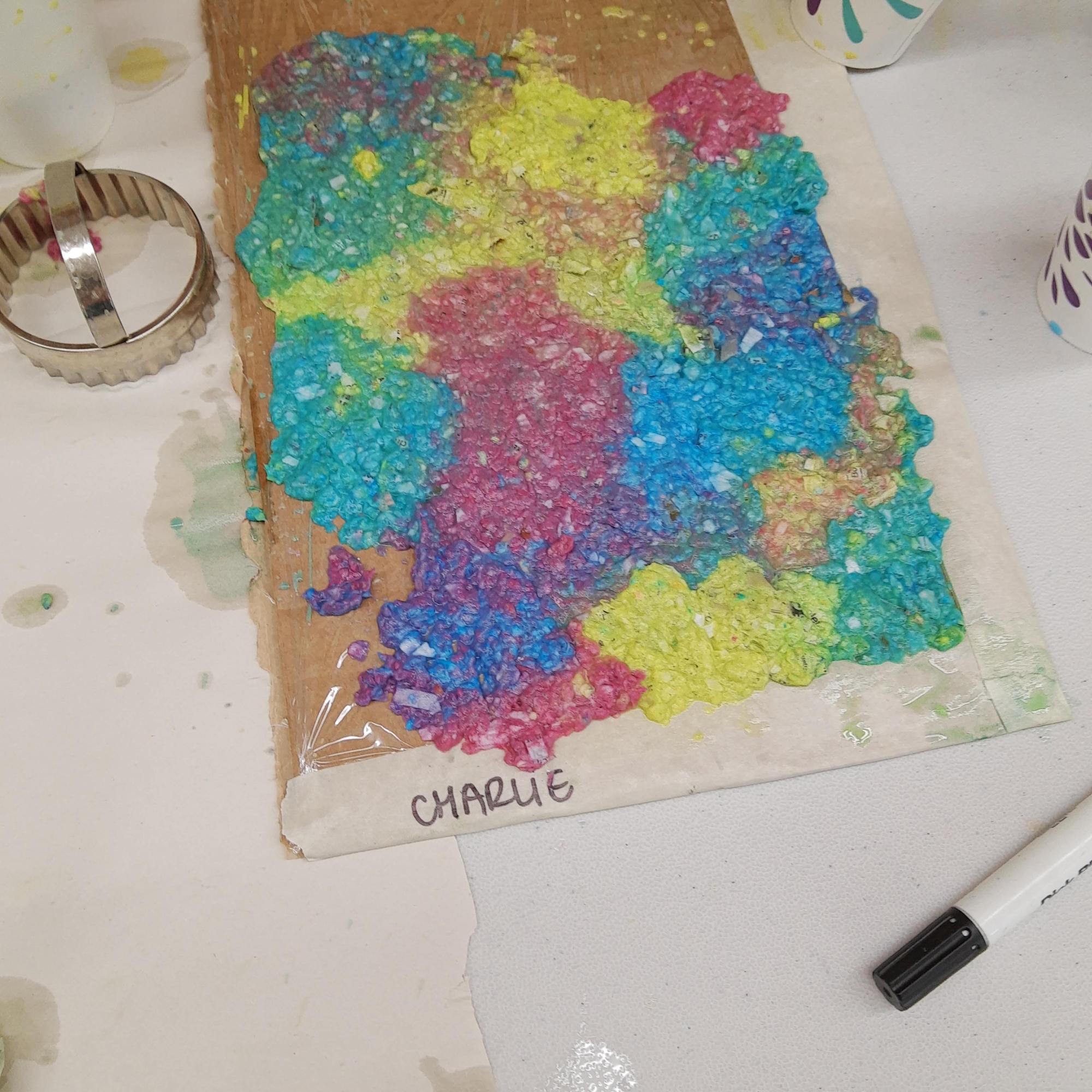
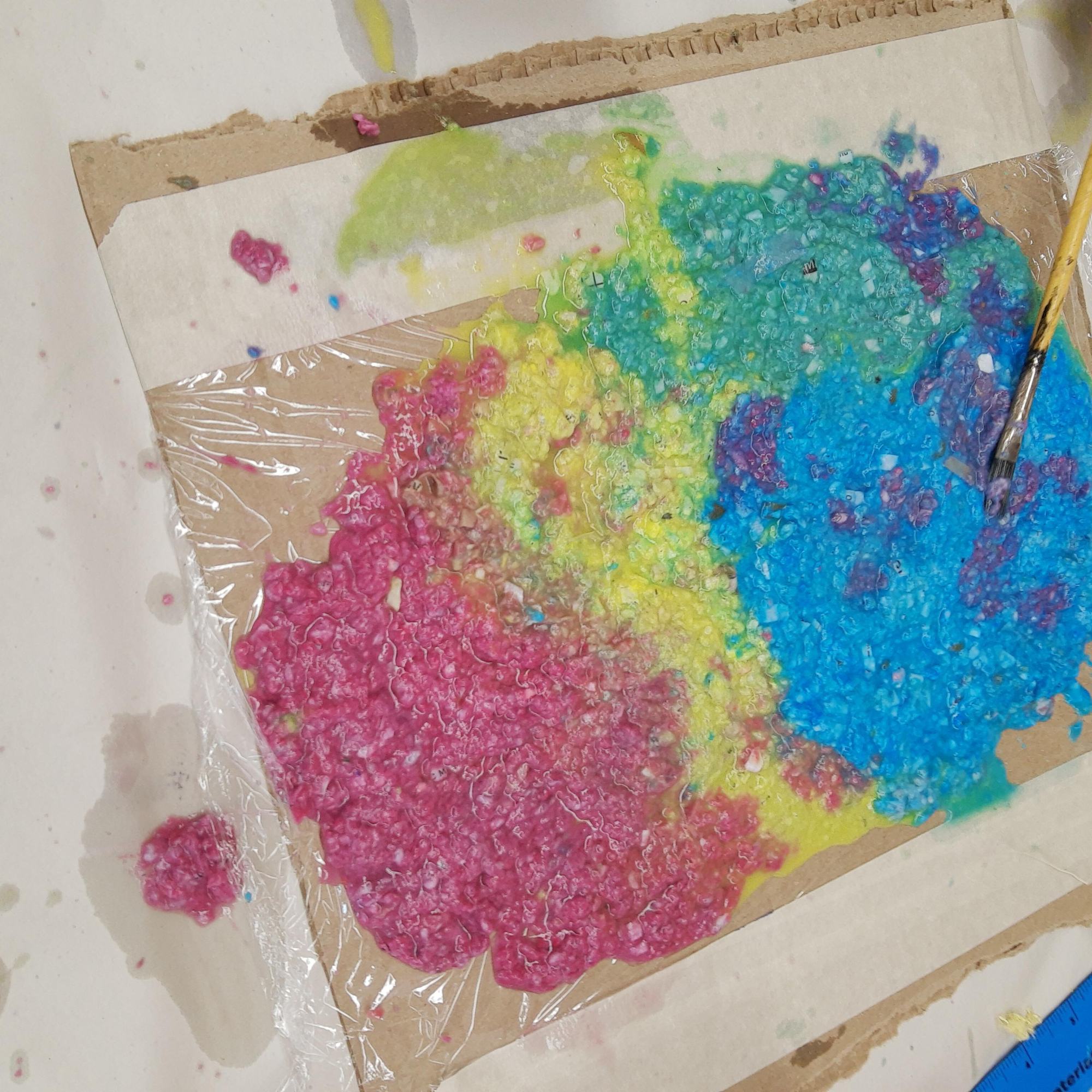
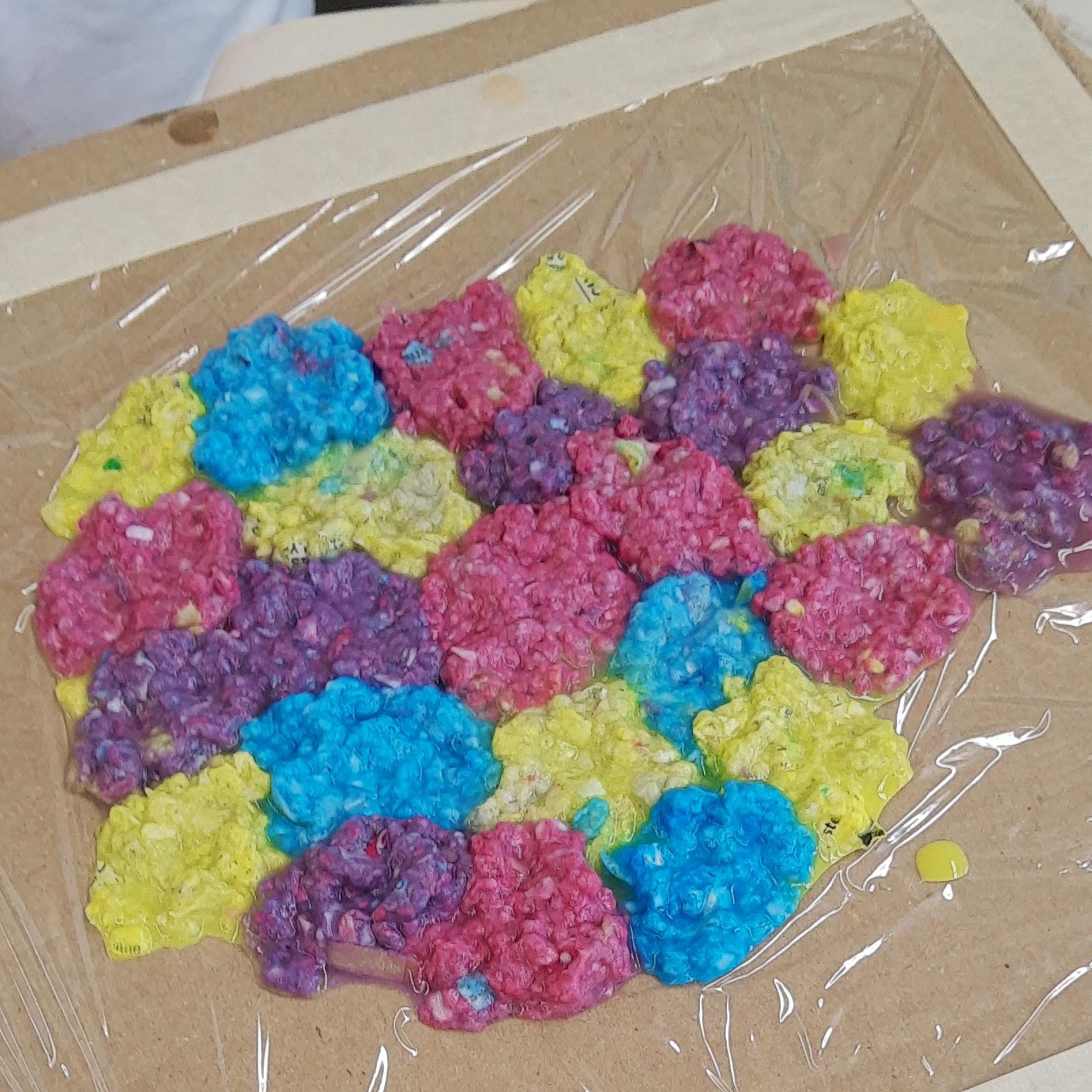
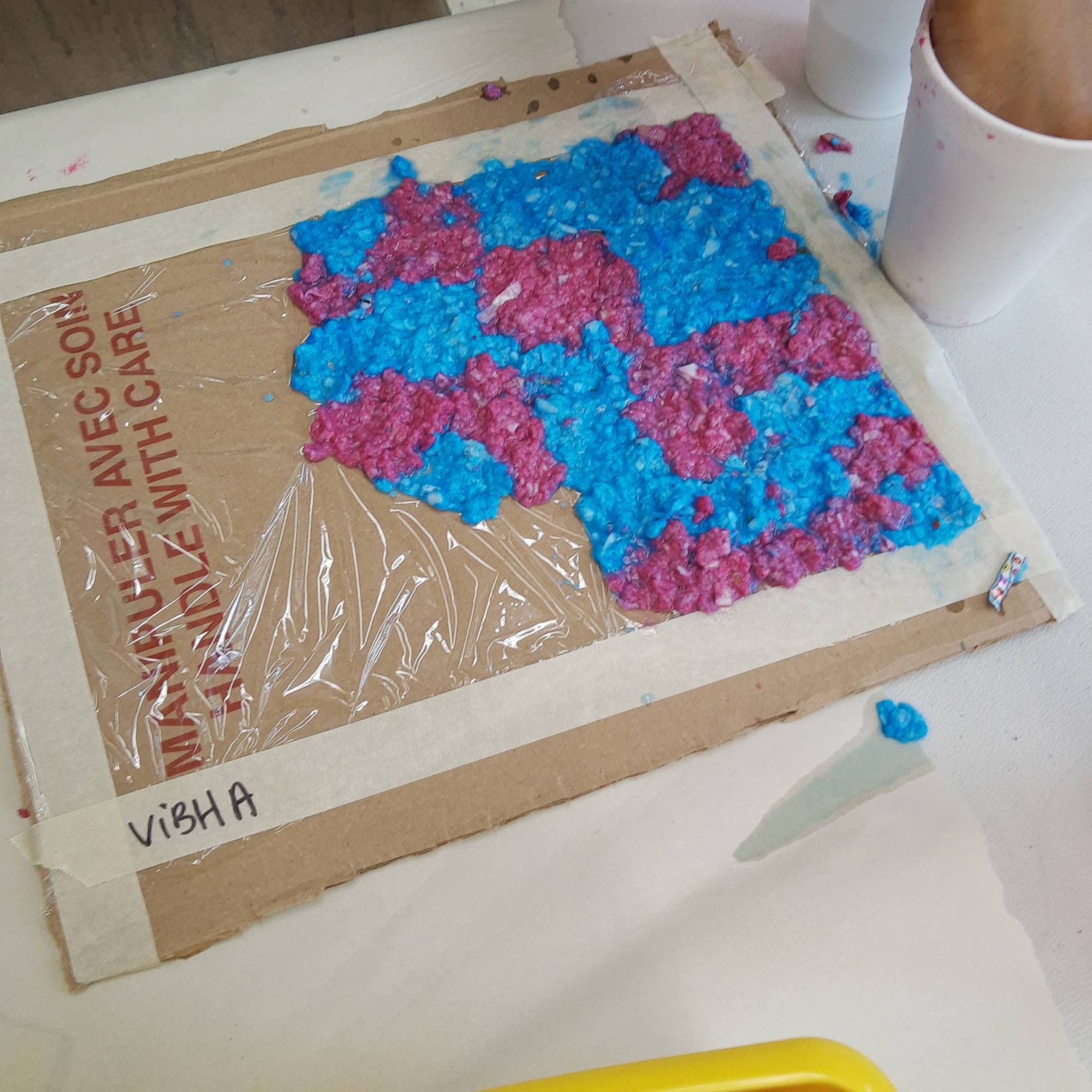
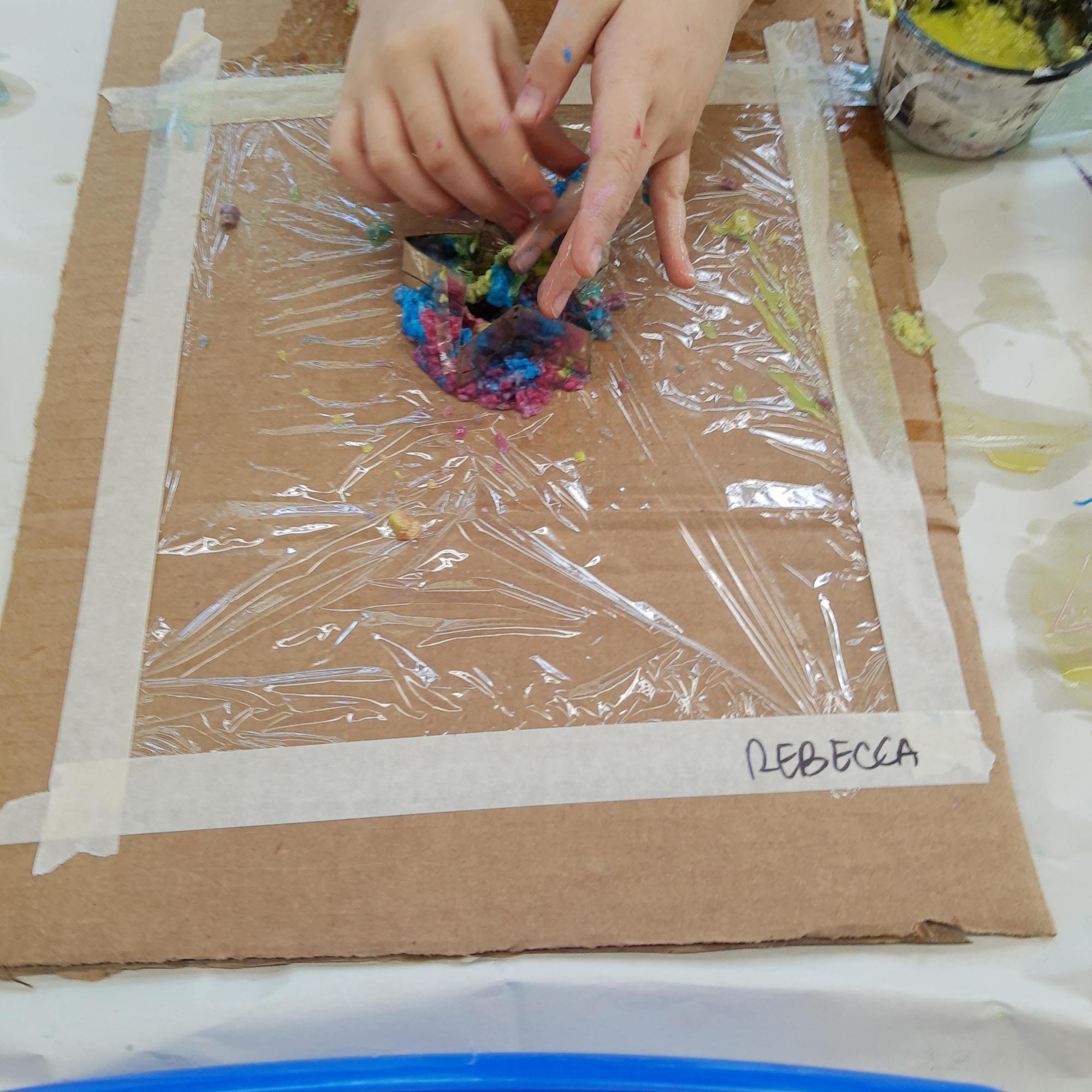
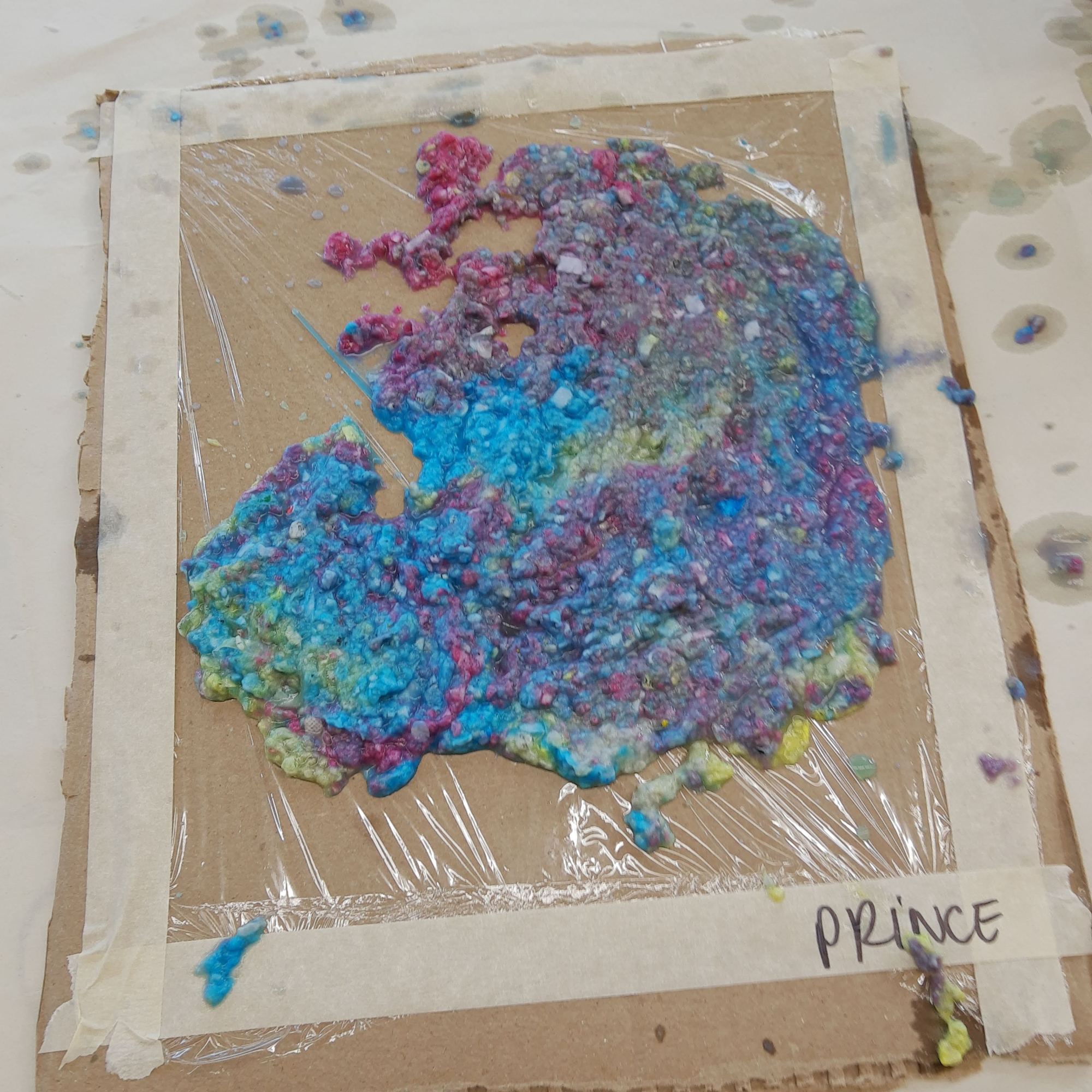
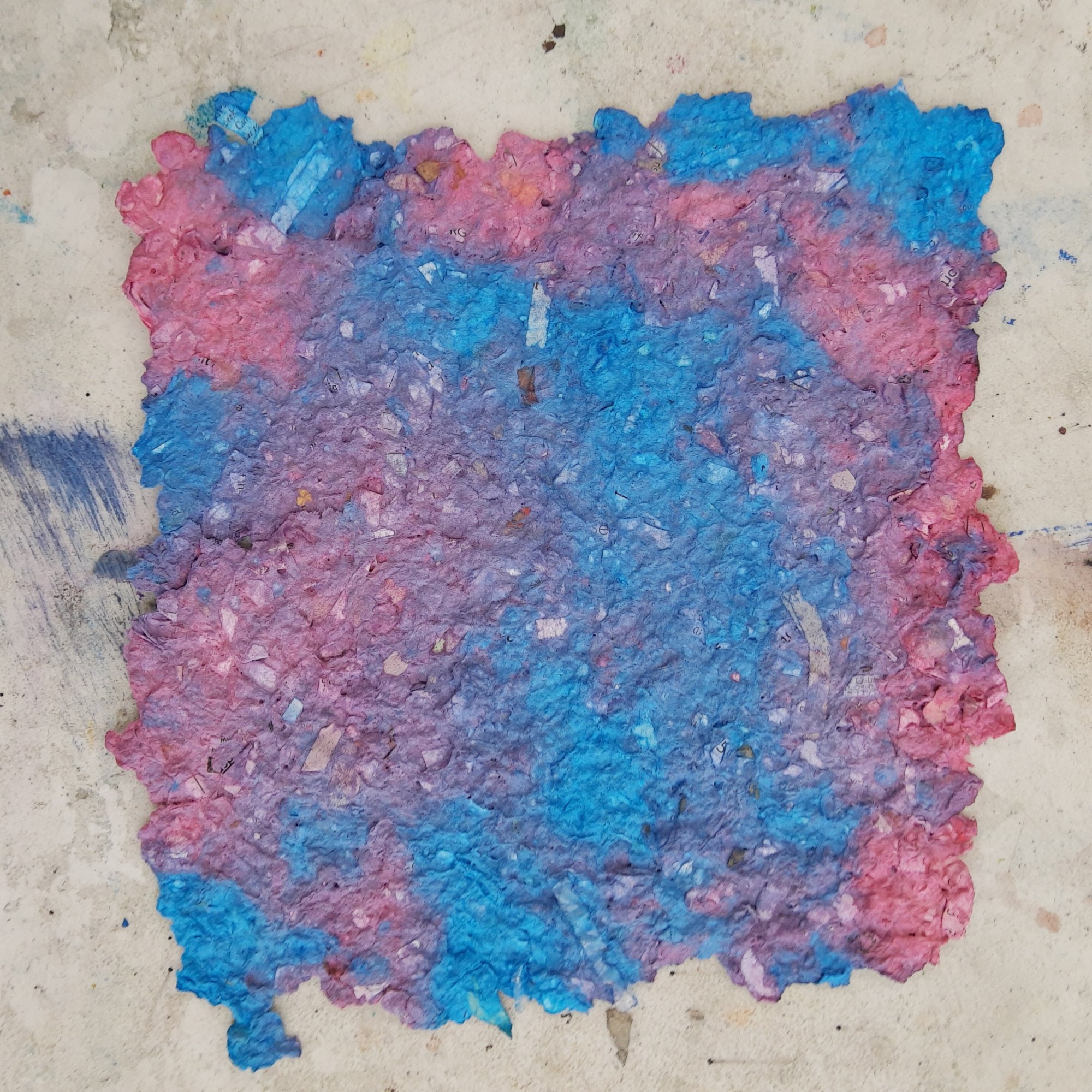
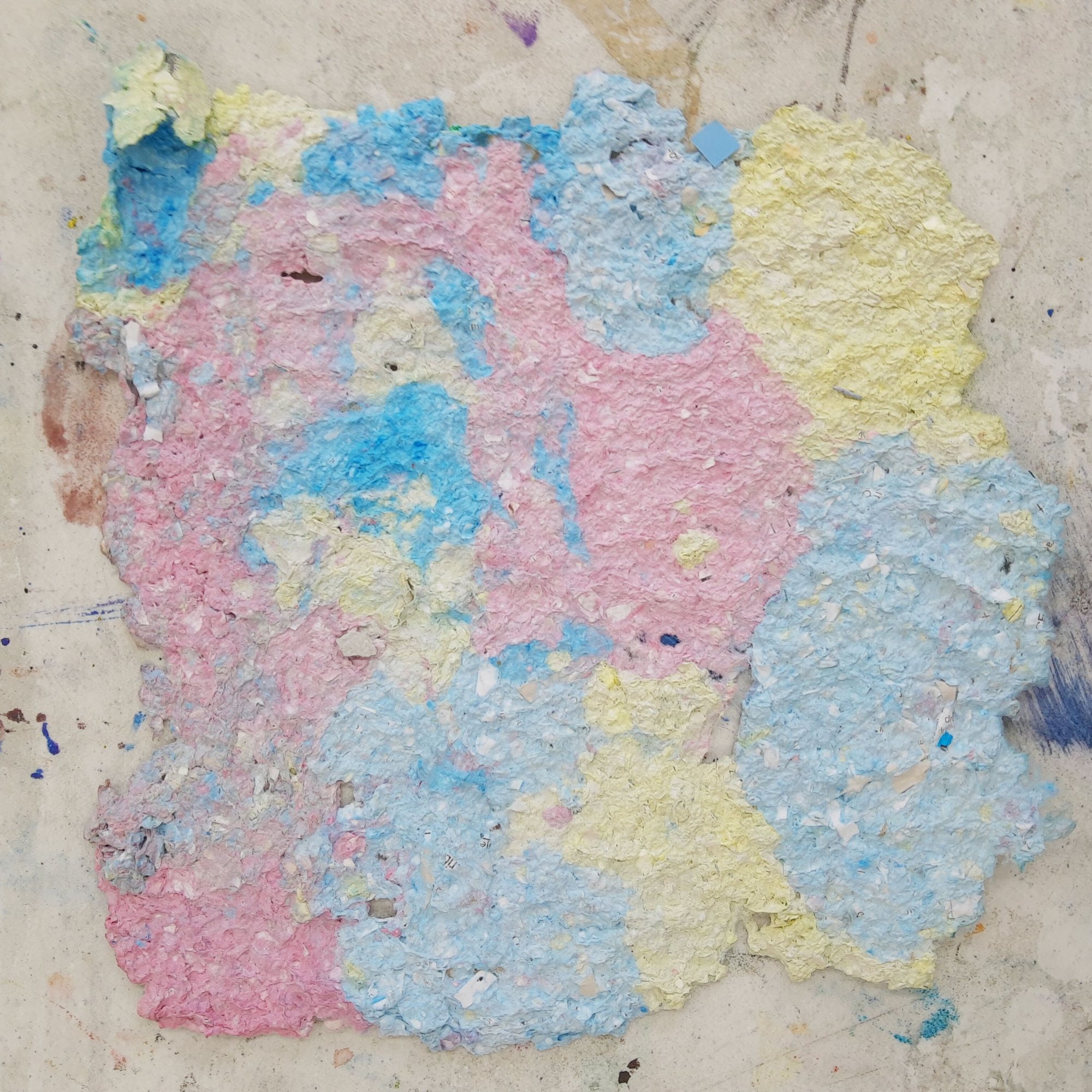
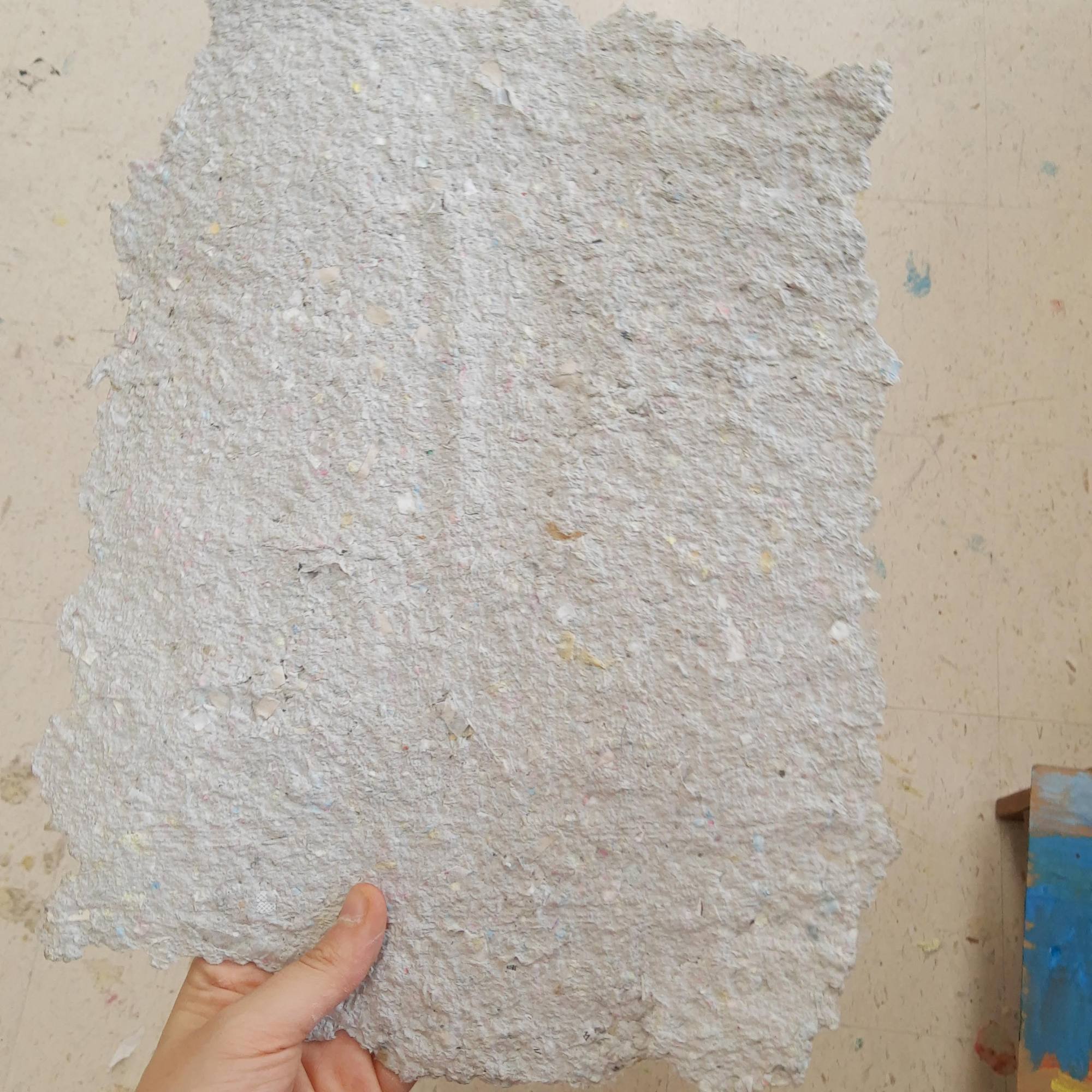
This fall, I taught a weekend art class at my local arts center. Since the classes were smaller, I really wanted to make paper with my students. It was a lot of prep work and my blender started smoking at one point, but it was really fun and a great way to introduce students to the paper-making process.
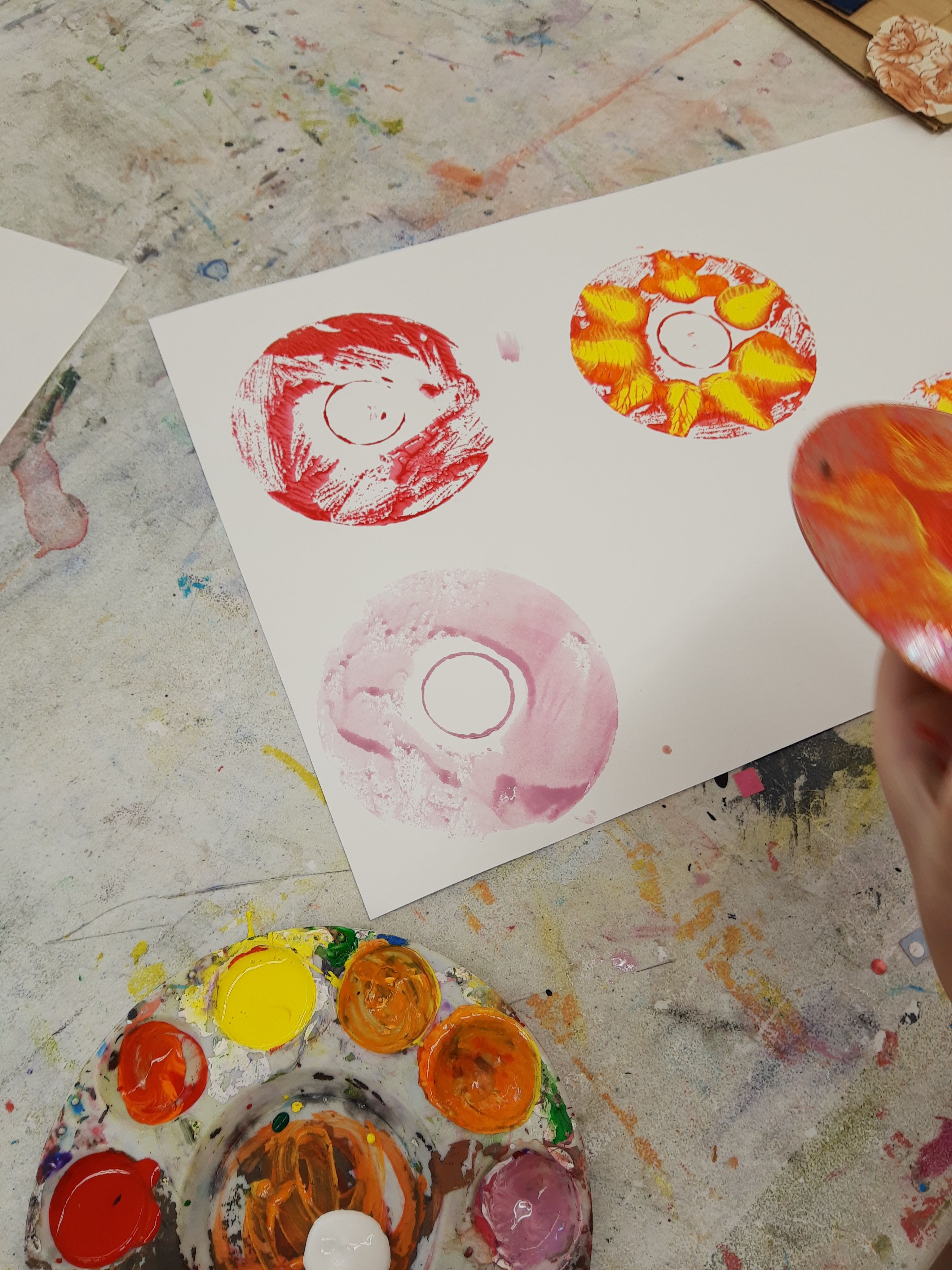
I prepped red, yellow, and blue paper pulp by blending soaked paper scraps and adding acrylic paint to the blender. The main paper pulp was in big tubs and students used smaller cups to scoop up paper pulp to take to their seats. Students created paper pulp designs on top of a piece of cardboard covered in plastic wrap.
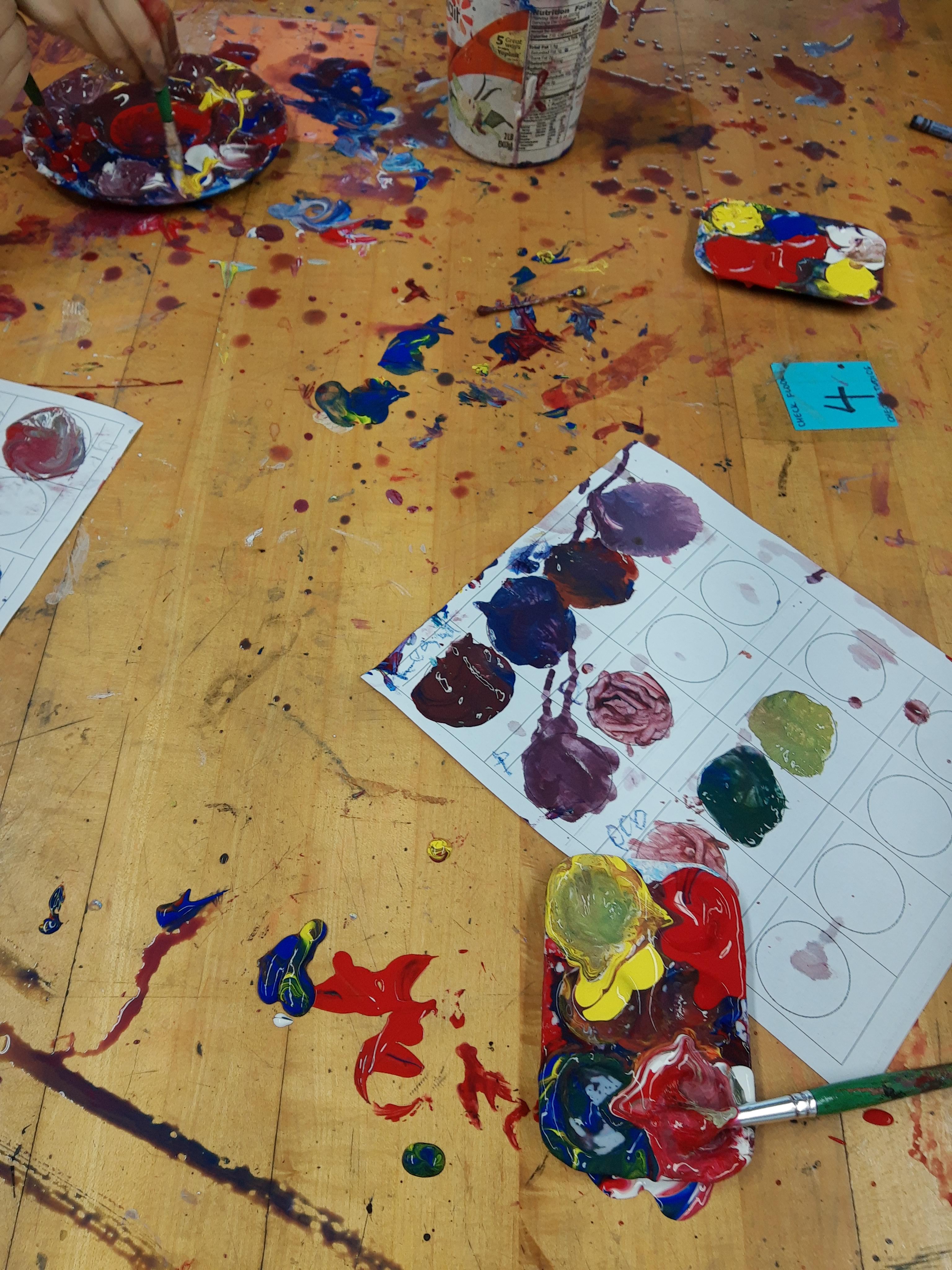
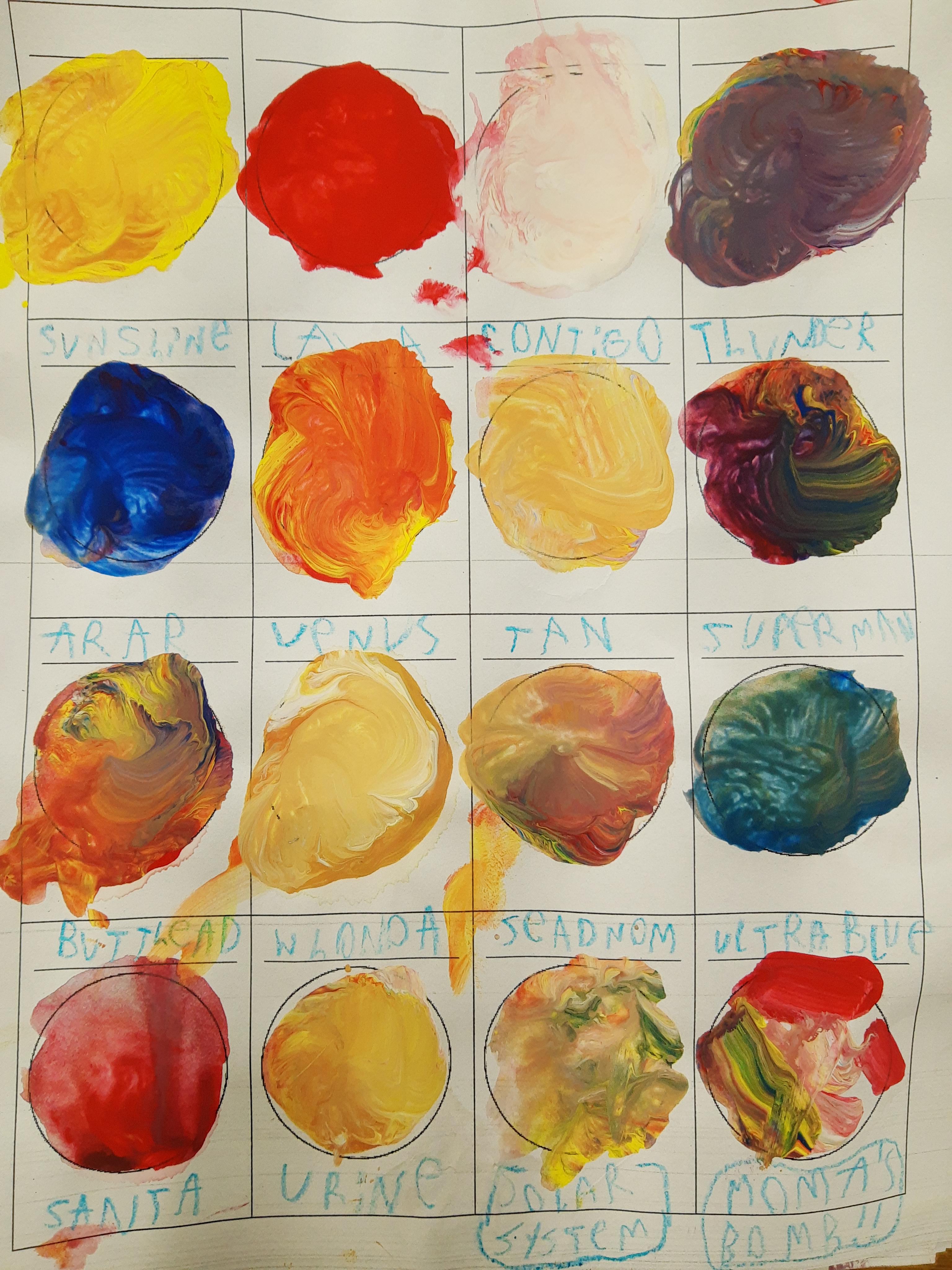
I taught this lesson with lower elementary a few weeks ago. We talked about primary colors and how they are super special colors because you can’t create them with any other colors. And primary colors can create a ton of new colors when mixed together.
To practice mixing colors, each table got red, yellow, blue, and white paint and students created and named as many colors as they wanted. I love how creatively students named their colors. Some of my favorite color names were “blainbow”, “stinckpot”, “peace” and “thunder”.
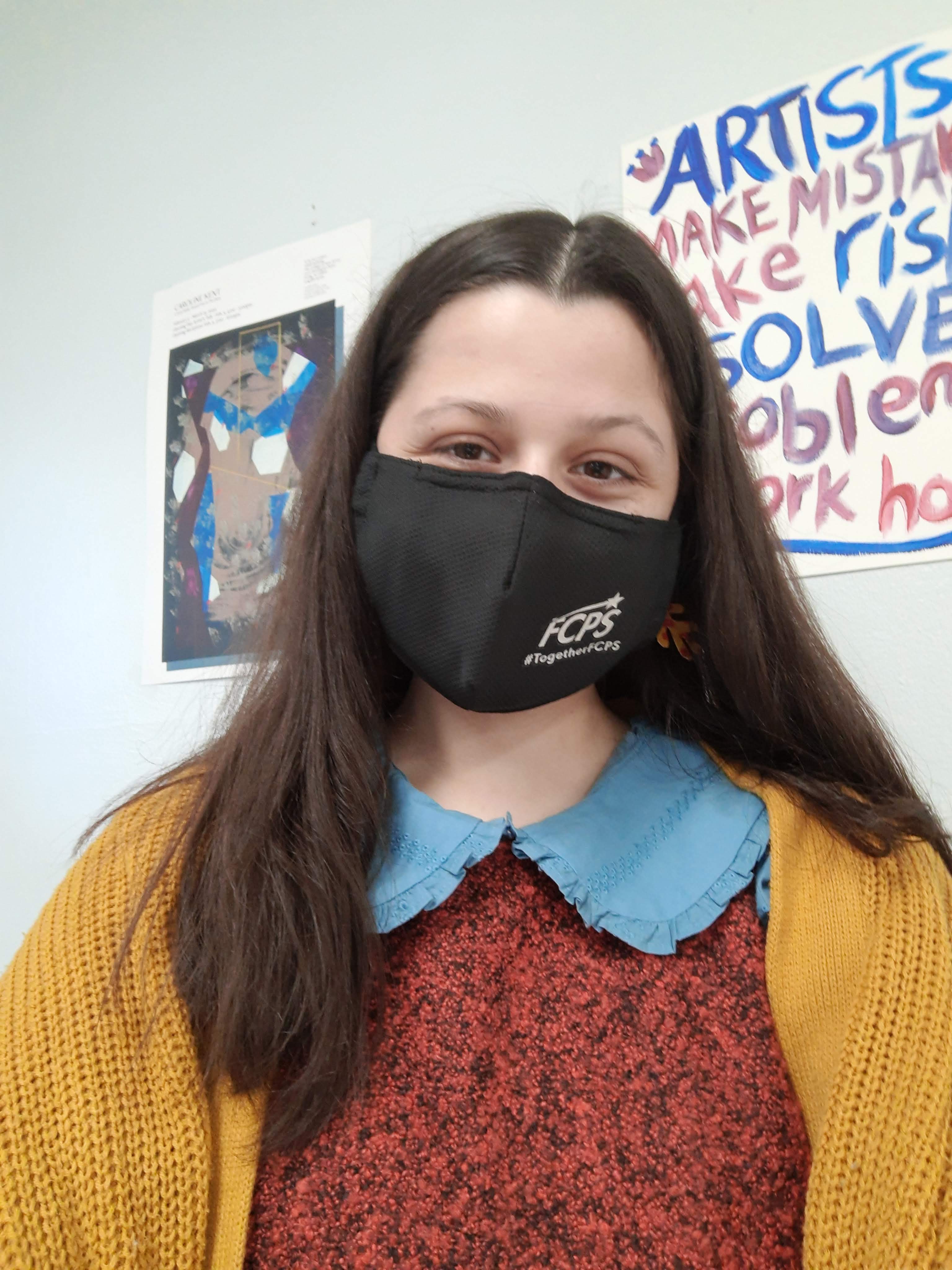
I even wore red, yellow, and blue to match my primary color lesson (and to achieve my goal of being like Ms. Frizzle). My hand was very messy at the end of the day which I love because a messy hand is the mark of an artist 🙂
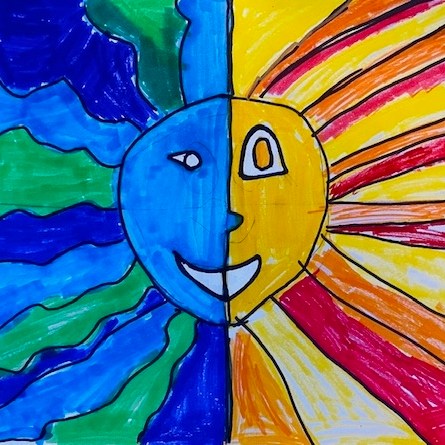
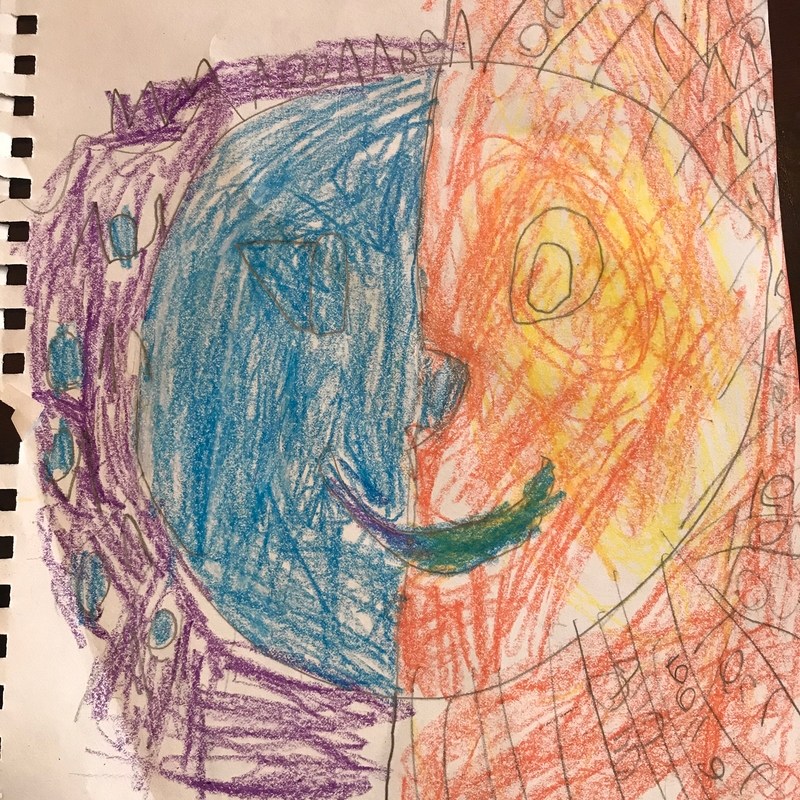
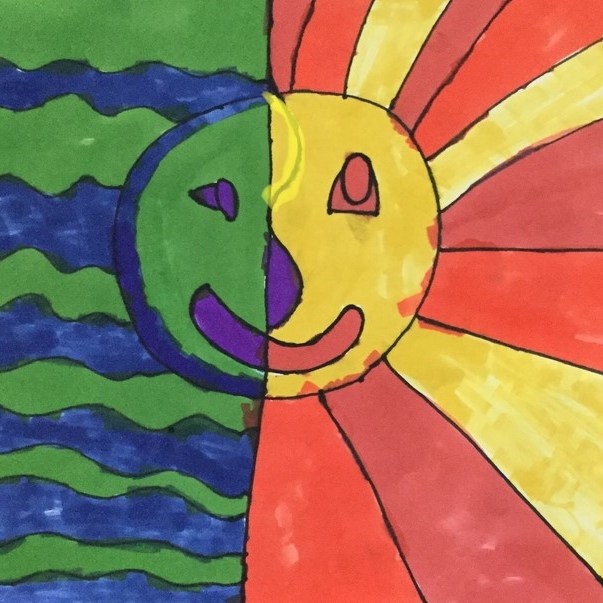
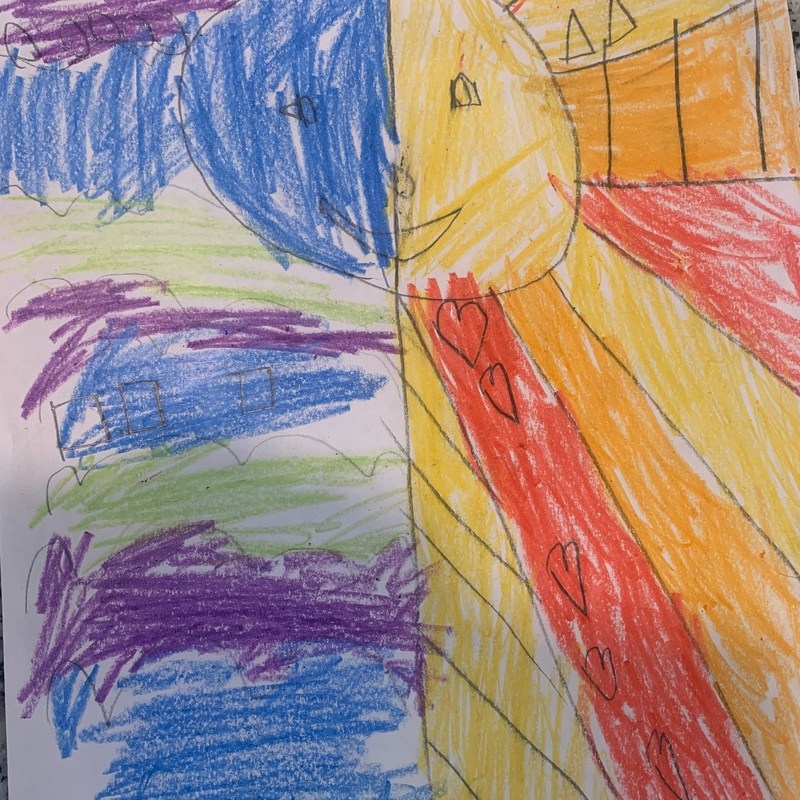
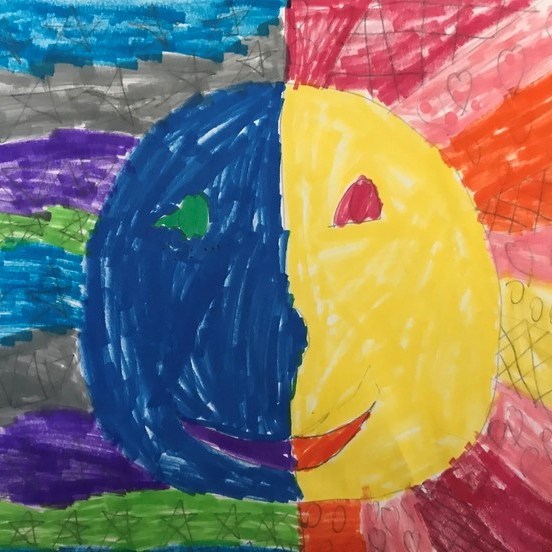
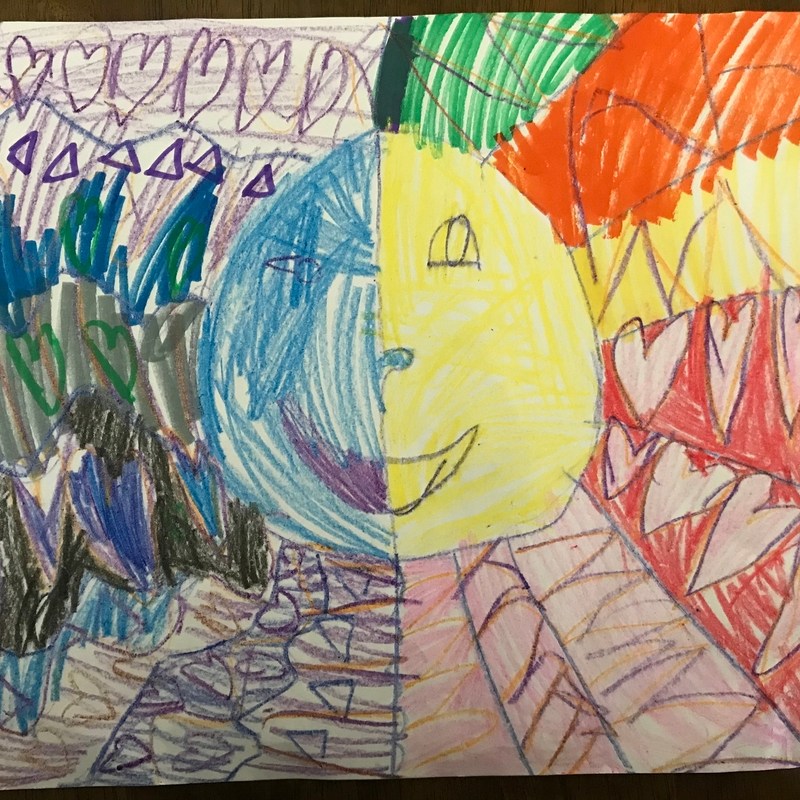
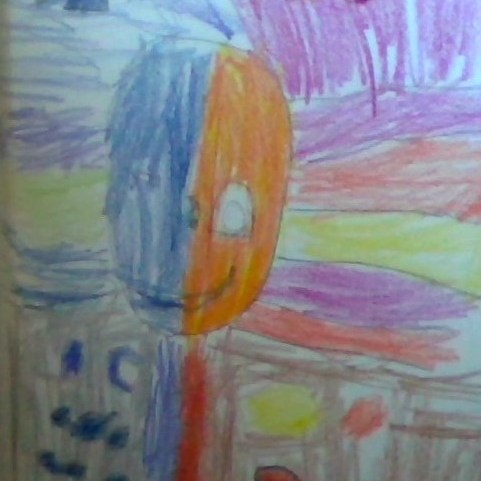
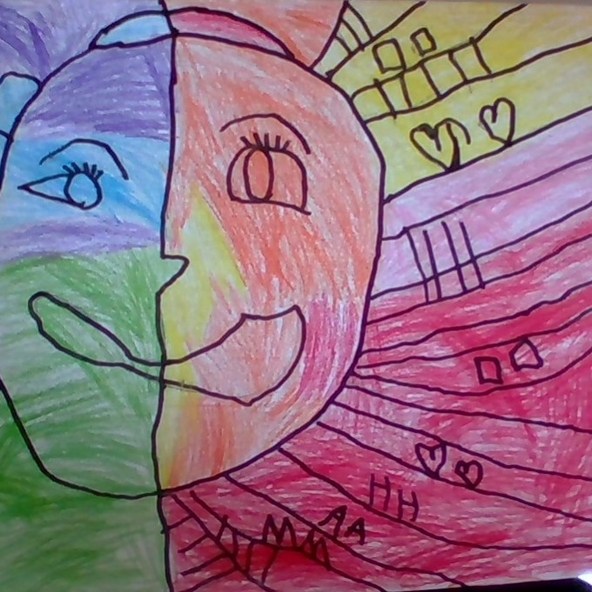
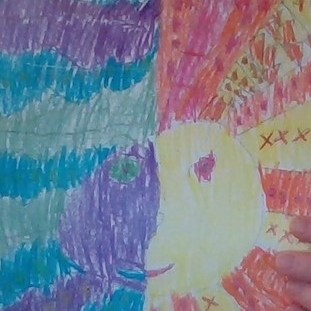
Warm & Cool Sun & Moons: I taught this lesson during my student teaching and I taught it again when I first started teaching. Students learn about warm and cool colors and draw a warm sun and cool moon. The moon side is drawn in profile view (to the side) and the sun is facing forward. We also reviewed patterns and students added different repeating shapes and lines into the background of their drawings.
To continue with learning about colors, we also did a neutral colors and texture drawing of an animal (some students did a scene). I showed students how to draw a few different animals, and then students used fabric, bark, and other textured items to create a textured rubbing. I also let them use a few warm or cool colors as well to complement the neutral colors.




















































 Annika Marthinuss